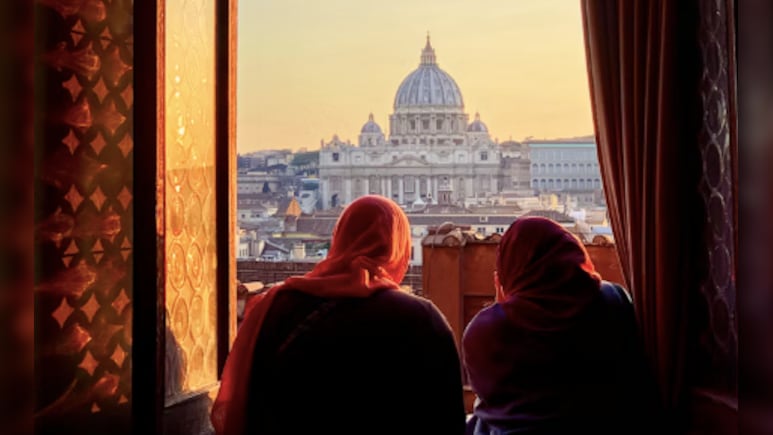
Italy's parliament has banned vieling of face through burqas and niqabs by approving legislation that prevents identification during school activities, the provision forms part of Decreto Scuola, Decree-Law 170, issued on September 30, 2026, according to reports. The Chamber of Deputies passed the measure , with 142 votes in favour, 112 against and four abstentions, followed by the approval of the Senate on November 20.
What the New Rules Cover
Under the legislation, students cannot participate in school activities with their faces covered in a way that makes it difficult to verify their identity. The restriction applies to burqas and niqabs, which cover the face. Hijabs are not included because they cover the hair and neck while leaving the face visible.
The violations of newly formed legistralion could attract fines of up to €1,000. Parents or legal guardians may be held responsible when the student is a minor. Supporters say the measure will help ensure identification in educational institutions.
Also Read | Layoffs Are Rising In Tech, But These Skills Are Helping People Unlock Better Pay
Other Changes to School Policy
The legislation also introduces measures concerning classroom composition and language support. It sets a 30 per cent limit on students of foreign origin in first-year classrooms, with different treatment for pupils who have already demonstrated sufficient proficiency in Italian.
Italian-language courses will also be offered to foreign parents whose children experience difficulties integrating into the school system to support communication and participation.
Government and Opposition Responses
Prime Minister Giorgia Meloni's government and its supporters have defended the reforms, arguing that the rules promote identification, integration and equal opportunities in education.
ALSO READ: New York City Mayor Zohran Mamdani Undergoes Surgery
Opposition lawmakers, including members of the Five Star Movement and the Democratic Party, have criticised the legislation. They argue that the measures risk discriminating against particular communities and divert attention from pressing education concerns, including school-building safety, teacher salaries and students' right to education.
Essential Business Intelligence, Sharp Market Insights, Practical Personal Finance Advice, Daily Fuel, Gold and Silver Prices, Watch Business News Live and Latest Stories — On NDTV Profit.