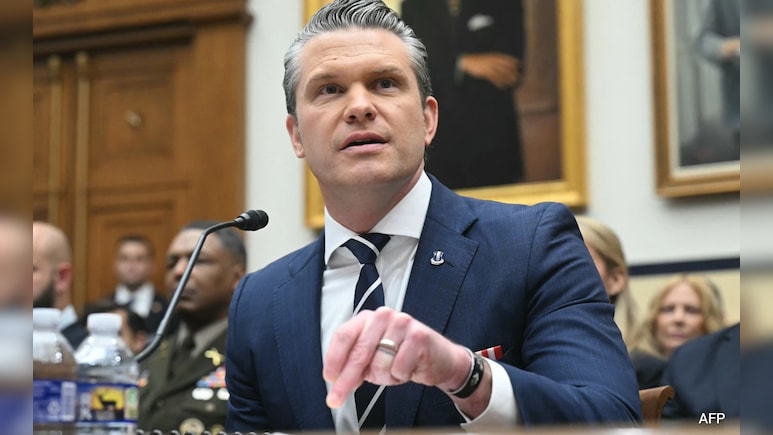
Defense Secretary Pete Hegseth hailed stable US ties with China and praised allies in Asia, while taking swipes at longstanding defense partners in Europe.
In a speech Saturday morning in Singapore at the Shangri-La Dialogue defense forum, Hegseth said the Trump administration would prioritize working with “model allies” who are the “most capable, clear-eyed, and ready to defend their national interests.”
“For those who believe they can continue to free ride on the generosity of the American taxpayer, hear us now: those days are over,” Hegseth said. “Allies who refuse to step up and carry their own weight for our collective defense will face a clear shift in how we do business.”
Also Read | Layoffs Are Rising In Tech, But These Skills Are Helping People Unlock Better Pay
Hegseth lauded countries throughout the Asia-Pacific region for bolstering their own capabilities, highlighting South Korea in particular as an example to follow. At the same time, he hit out at longstanding partners in Europe and NATO, saying they “have some big decisions to make.”
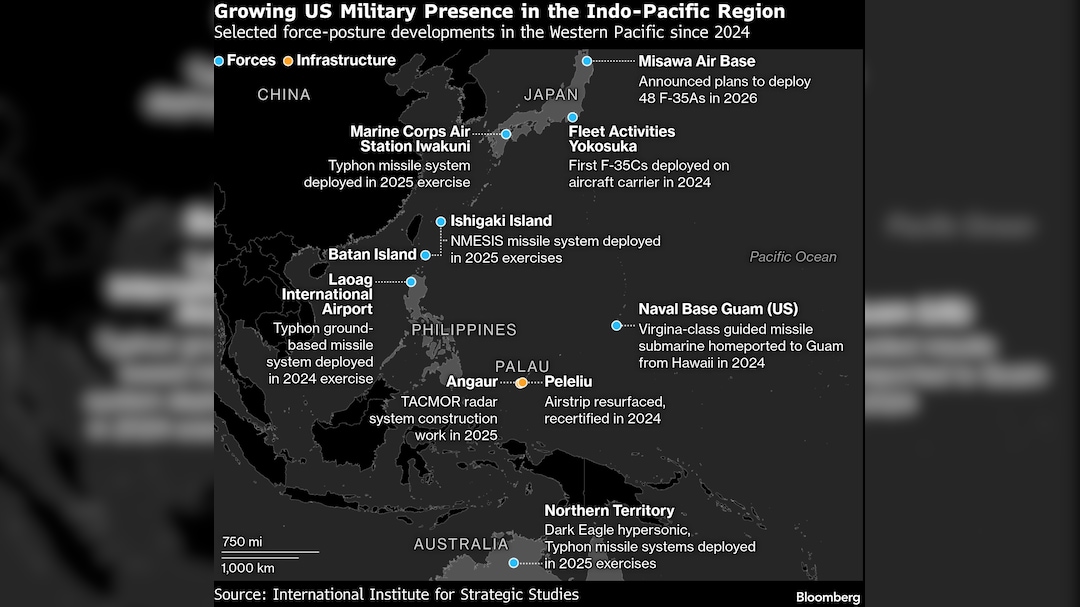
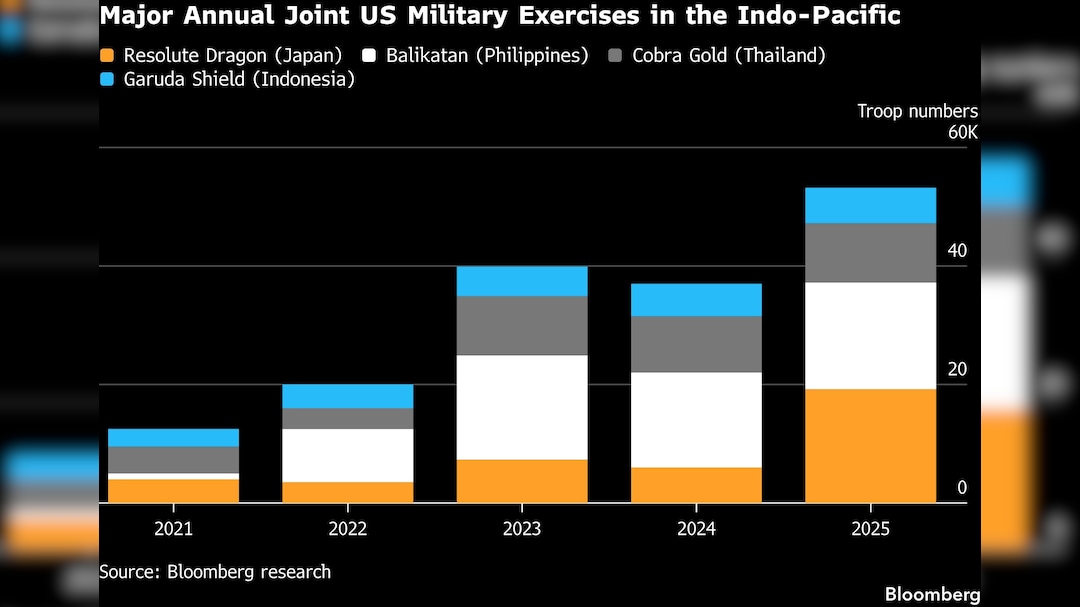
The Trump administration has demanded allies globally step up defense spending and take responsibility for their regional security. While that has driven NATO allies toward more European collective defense less reliant on the US, Washington has still continued to engage in Asia and deepened military coordination.
Add image caption here
Taiwan is top among several friction points between the US and China, with American arms sales and diplomatic support for the island angering Beijing. China's leader Xi Jinping warned President Donald Trump during his visit to Beijing earlier this month that mishandling the issue could lead to clashes. Trump has since delayed approving a $14 billion weapons package to Taiwan, which is heavy on air defenses.
“Any decision about future Taiwan arms sales, as the president said, will rest with him,” Hegseth said when asked about the weapons package in a question-and-answer session after his speech.
Hegseth didn't directly mention Taiwan during his address, the first such omission by a Pentagon chief at the Singapore forum in at least a decade. The self-ruled island, which the Chinese Communist Party claims as its own despite never having ruled it, remains the brightest of red lines in the US-China relationship.
Last year, Hegseth mentioned Taiwan at least five times during his address to the forum. His predecessor Lloyd J. Austin III name-checked the global chip hub once the year before, and five times in 2023, according to the official transcripts.
Hegseth, who also didn't mention Iran is his speech, said later in response to a question that the Taiwan arms package should be decoupled from the issue of munitions. He reiterated that the US was ready to fight Iran further if there's not a “great deal” that ensures Tehran's leaders don't get a nuclear weapon.
“Our stockpiles are are more than suited for that, both there and around the globe, because of how we balance exquisite and more plentiful munitions,” Hegseth said. “We're in a very good place.”
Trump has deployed the US military into high-profile operations this year in both the Middle East, against Iran, and in the Caribbean. While the actions against Venezuela were broadly seen as successful, the conflict in the Middle East has drawn fire with global energy choked by the Strait of Hormuz closure and the drawdown of critical munitions.
Trump has slammed European allies for not spending enough on defense and been frustrated by countries such as Italy for withholding access to their bases for US operations in Iran. That's left NATO allies bracing for Washington to withdraw more support from the continent, after the Republican leader announced he would pull 5,000 troops out of Germany.
Spain, which has drawn particular ire from Trump, is the only country to be granted an exemption from NATO's new 5% defense spending target, leading to speculation the US could reduce its presence at its Rota or Moron bases. The US has about 85,000 military personnel currently stationed on the European continent.
At one point, a Chinese delegate asked Hegseth to respond to a recent comment by US Forces Korea commander Xavier Brunson on a podcast that Korea is a “dagger in the heart of Asia,” a line Beijing slammed as hostile and aggressive.
Brunson, sitting in the audience, responded directly and cordially, saying he was riffing on a line from another era that referred to Korea as a dagger pointed at Japan, and that the full context of the comment was about changing perspectives in the region. He encouraged the Chinese delegate — Wang Dong of Peking University — to listen to his full remarks on the topic.
(This story has not been edited by NDTV staff and is auto-generated from a syndicated feed.)
Essential Business Intelligence, Sharp Market Insights, Practical Personal Finance Advice, Daily Fuel, Gold and Silver Prices and Latest Stories — On NDTV Profit.