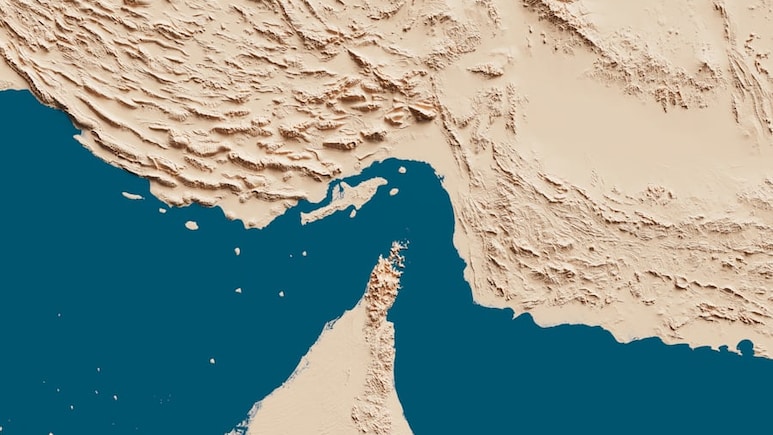
- Global fuel supplies face severe strain without normal Strait of Hormuz shipping restored
- Oil stockpiles are depleting rapidly due to Gulf region energy flow disruptions
- The Strait of Hormuz handles about one-fifth of global energy supplies
Global fuel supplies could face severe strain during the peak summer season unless normal shipping operations through the Strait of Hormuz are restored, the heads of the International Monetary Fund (IMF), World Bank, and International Energy Agency (IEA) warned in a joint statement, according to AFP.
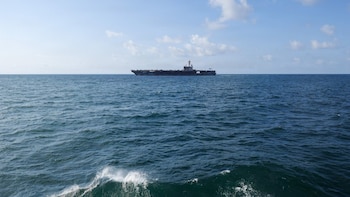
The agencies said global oil stockpiles are being depleted at an unprecedented rate as disruptions in the Gulf region continue to restrict the flow of energy supplies. The Strait of Hormuz, a critical maritime corridor through which approximately one-fifth of global energy supplies normally transit, has been severely affected by the ongoing conflict involving the United States, Israel, and Iran. Following recent hostilities, Tehran has carried out retaliatory actions targeting Washington's regional allies.
ALSO READ: US Treasury Secretary Scott Bessent Says 'We'll See' On Potential Iran Sanctions Relief
Also Read | Layoffs Are Rising In Tech, But These Skills Are Helping People Unlock Better Pay
In a joint initiative launched this April, the leaders of the International Monetary Fund (IMF), the World Bank, and the International Energy Agency (IEA) announced the formation of a special task force to coordinate their global response to the ongoing energy crisis. The multilateral group is specifically tasked with designing and deploying targeted relief measures for vulnerable, lower-income economies hardest hit by the resulting economic shocks.
The crisis is also threatening global food security. Higher energy costs have driven fertilizer prices sharply upward, raising concerns for agricultural economies entering key planting seasons and potentially affecting future crop production, according to AFP. IMF Managing Director Kristalina Georgieva said the organization has revised down its global growth forecasts due to supply disruptions and escalating regional tensions.
Rising energy prices are already straining vulnerable economies, with Georgieva estimating that affected countries may require between $20 billion and $50 billion in financial assistance to manage the economic fallout. Bangladesh has reportedly sought emergency support amid mounting pressures.
Essential Business Intelligence, Sharp Market Insights, Practical Personal Finance Advice, Daily Fuel, Gold and Silver Prices and Latest Stories — On NDTV Profit.