After Houthi insurgents in Yemen, who are associated with Iran, launched missile assaults against Saudi Arabia, Pakistan is faced with a serious diplomatic and military conundrum. Islamabad's dual role as a regional mediator and a devoted defence ally to Riyadh is directly threatened by the escalation.
This week's attacks on Saudi Arabia by the Iran-aligned Houthis in Yemen have irritated Pakistan and put Islamabad at risk of becoming involved in the crisis, making any potential future position as a mediator between the US and Iran more difficult, reported Reuters.
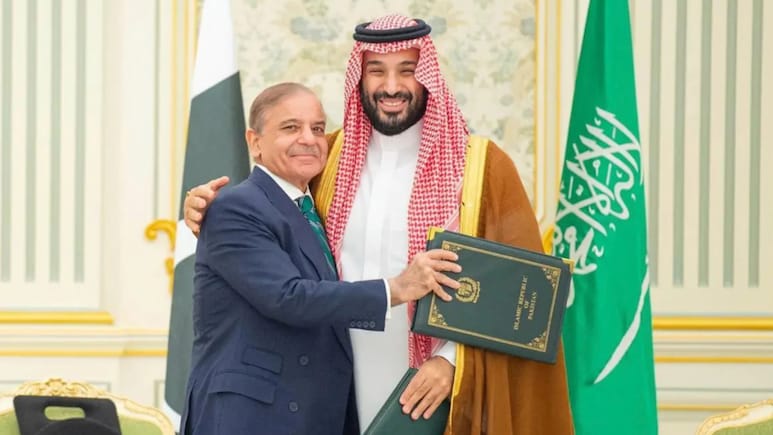
Nuclear-armed Pakistan inked a mutual defence agreement with Saudi Arabia last year, and thousands of Pakistani soldiers have been sent to the kingdom along with a squadron of fighter jets. Last month, Pakistan helped mediate an interim agreement in the conflict between Washington and Tehran.
Also Read | Layoffs Are Rising In Tech, But These Skills Are Helping People Unlock Better Pay
Although Iranian strikes on Saudi Arabia earlier this year had already angered Pakistan, regional analysts and officials claimed that this week's attacks had escalated Islamabad's annoyance with Iran by raising the possibility of a fresh Saudi-Houthi clash.
After accusing Saudi Arabia of striking an airport under its control on Monday, the Houthis launched missiles toward the country. A four-year ceasefire was broken by the cross-border shooting, but it has only occurred once thus far.
"Our top civil and military leaders have conveyed to Iran at the highest level that the attacks on Saudi Arabia are attacks on Pakistan," a Pakistani official told Reuters. "It is our red line."
"Pakistan wasn't anticipating that the tensions would rise so suddenly," Muhammad Amir Rana, a Pakistani security analyst, was quoted as saying.
Growing worries that Houthi involvement would be more likely to drag Pakistan into the fight than the Iranian missile strikes earlier this year seem to be the source of Pakistan's dissatisfaction. According to two Pakistani officials, Pakistani soldiers are stationed close to the Saudi border with Yemen, which increases their direct exposure.
Islamabad is particularly worried that a Houthi-led escalation might interfere with shipping in the Red Sea, a vital commerce route that Pakistan and many other nations rely on. A growing conflict there might be more challenging to suppress and might target Saudi interests in a way that compels Pakistan to use force in accordance with the conditions of its mutual defence agreement.
According to retired Pakistani general Ghulam Mustafa, "Pakistan's top leaders are still engaged in appeasing all stakeholders" for the time being. However, he warned that this can alter "if the Houthis expand the radius of their attacks in Saudi Arabia", as reported by Reuters.
ALSO READ: Next Chokepoint: Iran Directs Yemen's Houthis To Close Bab el-Mandeb If US Strikes Power Plants
Analysts predict that Pakistan will encounter additional difficulties as it pursues a more significant regional role.
The announcement of Pakistan's defence agreement with Saudi Arabia in September of last year was generally seen as an indication that Gulf Arab states were becoming more sceptical of the United States' dependability as a security guarantee and were turning to Pakistan and other nations as potential substitutes.
However, Pakistan is heavily dependent on Middle Eastern nations for gas and oil. Pakistan's supply channels were hampered by the Strait of Hormuz hostilities, and the government implemented emergency measures, such as early business closures, to avoid a petroleum crisis.
Essential Business Intelligence, Sharp Market Insights, Practical Personal Finance Advice, Daily Fuel, Gold and Silver Prices and Latest Stories — On NDTV Profit.