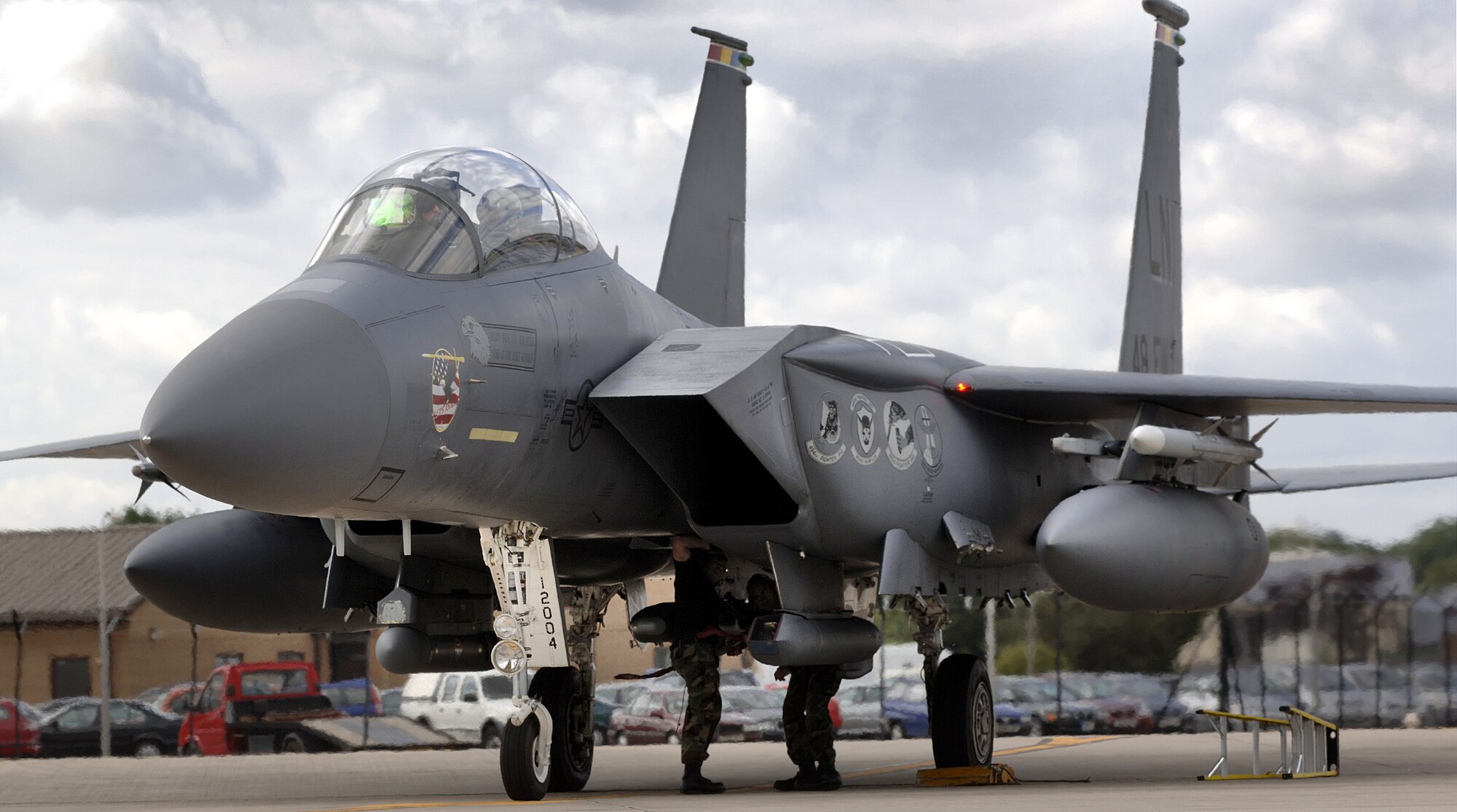
Less than 48 hours after Donald Trump declared that Iran had been “completely decimated,” Tehran delivered a stark rebuttal, shooting down a US F-15E fighter jet and triggering a high-risk rescue mission deep inside Iranian territory.
According to an NBC report, the incident escalated further as Iranian forces targeted two Blackhawk helicopters and an A-10 Thunderbolt involved in the search-and-rescue operation.
While one service member was recovered, another remains missing, underscoring the intensifying risks for U.S. personnel as the conflict enters its second month.
Also Read | Layoffs Are Rising In Tech, But These Skills Are Helping People Unlock Better Pay
Also Read | US Mounts Rescue Operation For F-15 Fighter Jet Downed In Iran
Analysts said that the developments highlight a widening gap between the administration's public narrative and operational realities on the ground.
“They have no anti-aircraft equipment… Their radar is 100% annihilated. We are unstoppable,” Trump had said earlier this week.
However, US officials and sources briefed on intelligence assessments suggest otherwise, NBC reported.
Roughly half of Iran's ballistic missile launchers remain intact, alongside thousands of one-way attack drones. Underground missile stockpiles also remain largely untouched, preserving Tehran's ability to strike regional targets, including critical maritime routes.
“Even at the rates at which they're firing things now, they're going to be able to sustain it for a while,” said Kelly Grieco, pointing to Iran's increasing reliance on concealment and asymmetric warfare.
Also Read | 'Stop War': Ex-Iranian FM Urges Tehran To Negotiate With Washington
NBC reported that since Trump's address, Iran has launched at least 50 ballistic missiles and over 150 drones targeting U.S. and allied assets across the Middle East. Meanwhile, at least 16 U.S. Reaper drones have been downed since the war began.
Despite claims of air dominance, U.S. officials acknowledge control is limited to parts of western and southern Iran, with eastern regions still contested. Analysts warn Tehran is leveraging drones, hidden launch systems, and maritime disruption tactics, particularly in the Strait of Hormuz, to prolong the conflict and raise costs.
Iran's attack on the F-15E on Friday was the first time in decades that a U.S. fighter jet had been downed by enemy fire. One of the service members was rescued, while the U.S. military searched for the other.
There were minor injuries to U.S. forces on the Blackhawk helicopter, and the pilot of the attack aircraft, an A-10 Thunderbolt, safely ejected over Kuwaiti airspace, according to a U.S. official.
Essential Business Intelligence, Sharp Market Insights, Practical Personal Finance Advice, Daily Fuel, Gold and Silver Prices and Latest Stories — On NDTV Profit.