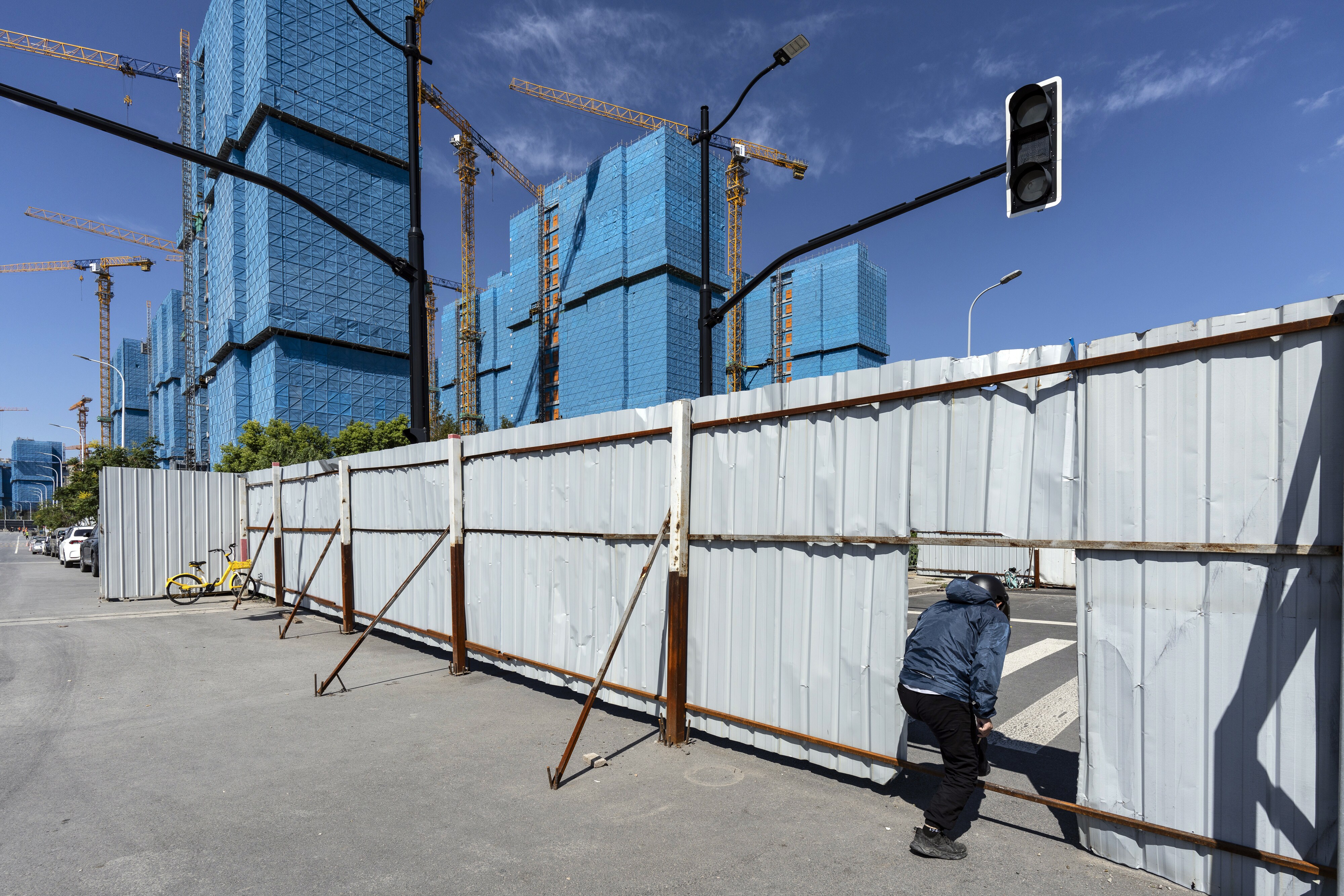
China is planning to cut taxes for home purchases as the government dials up fiscal support to revive a moribund housing market, according to people familiar with the matter.
Regulators are working on a proposal that would allow mega cities including Shanghai and Beijing to cut the deed tax for buyers to as low as 1% from a current level of as much as 3%, the people said, requesting not to be identified because the matter is private. City governments have leeway to tweak the rules, the people added.

-
 Indian Markets Turning Corner After Two Tough Years, Says Sandeep Tandon
-
 NDTV Profit Ignite 2026: Experts See Opportunity In Equities, Stay Bullish For Long-Term
-
 Buy Right, Sit Tight Does Not Work for Individual Stocks, Says Dinshaw Irani
-
 'Worst Is Behind': Quant MF Sees Market Bottom, Flags 'Extreme Euphoria' In Midcaps
-
 India's Mutual Fund Industry Could Become A $1 Trillion Opportunity, Say Fund Managers
-
 'Foreign Investors Are Baraatis': Raamdeo Agrawal's Take On LTCG Tax
-
 Stay Invested Through Market Cycles: Raamdeo Agrawal at NDTV Profit Ignite
-
 Ramesh Damani Remains Bullish On India For Next 20-30 Years, Sees Bargains Amid Market Weakness
-
 CAS Came After A Long Consultation Process: SEBI Chairman Tuhin Kanta Pandey AT NDTV PROFIT IGNITE
-
 Aim To Cut FPI Onboarding Time From Mth To Five Days: SEBI Chairman Tuhin Kanta Pandey AT NDTV PROFI
The plan, hinted at on Friday by Finance Minister Lan Fo'an, underscores Beijing's increased willingness to use fiscal tools to shore up the sluggish economy along with monetary easing. Lan pledged to carry out “more forceful” fiscal policies next year after unveiling a 10 trillion yuan ($1.4 trillion) debt swap for local governments, signaling bolder steps could come after US President-elect Donald Trump takes office.
Also Read | Layoffs Are Rising In Tech, But These Skills Are Helping People Unlock Better Pay
Under the latest proposal, top-tier cities are expected to be allowed to scrap the distinction between ordinary and luxury homes, which would substantially lower purchasing costs for people seeking to upgrade their residences, people familiar with the matter said. China first flagged its plan to rid such distinctions following the Third Plenum in July.
In addition to the deed tax, Chinese homeowners are also subject to steep value-added taxes of about 5% for if they sell within two years. In Shanghai for example, apartments bigger than 144 square meters (1,550 square feet) are considered “non-ordinary.”
The Ministry of Finance, State Taxation Administration and the housing ministry didn't respond to requests for comment.
Economists are calling for more fiscal support to ensure China's roughly 5% economic growth target is met this year. Last month, President Xi Jinping reiterated the need to hit that goal. A yearslong property crash has wiped out billions of dollars in household wealth, adding to deflationary pressures.
The plan to cut property taxes is set to reignite investors' expectations for large-scale stimulus to boost domestic demand and combat deflation after last week's high-profile legislative meeting fell short of market forecasts.

China in the past two months unleashed its strongest package of policies to boost the property market, including cutting borrowing costs on existing mortgages, relaxing buying curbs in big cities and easing downpayment requirements.
Residential property sales rose for the first time this year in October, suggesting that support measures were helping to inject some confidence in buyers. That said, the recovery was lopsided, with state developers benefiting the most from the stimulus and buyers preferring existing homes.
The country also pledged in October to nearly double the loan quota for unfinished residential projects to 4 trillion yuan. But the announcement underwhelmed due to a lack of concrete numbers for special bonds to enable local governments to digest some 60 million unsold units.
Essential Business Intelligence, Sharp Market Insights, Practical Personal Finance Advice, Daily Fuel, Gold and Silver Prices and Latest Stories — On NDTV Profit.