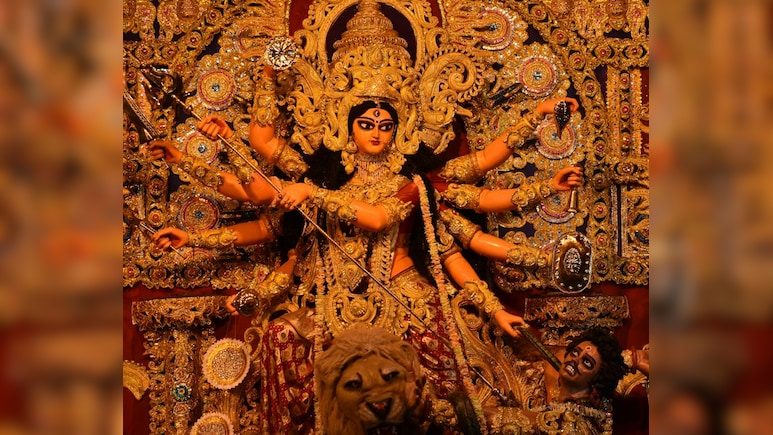
Sharad Navratri 2026 will begin on October 11 and conclude on October 19, with Dussehra falling on October 20. The nine-day Hindu festival is dedicated to Goddess Durga and her nine manifestations, collectively known as Navadurga. Across India, the autumn festival takes different forms: families prepare home shrines, dancers gather for Garba, and artisans create idols and pandals for Durga Puja. These traditions share a devotion to Shakti, the divine feminine power.
Each day of Navratri is associated with a particular form of Goddess Durga and a designated colour. Wearing these colours is a popular tradition believed to reflect the spiritual qualities associated with each day.
Sharad Navratri 2026: Dates
Sharad Navratri 2026 begins on Sunday, October 11, 2026, and concludes on Monday, October 19, 2026, followed by Vijayadashami (Dussehra) on Tuesday, October 20, 2026.
Also Read | Layoffs Are Rising In Tech, But These Skills Are Helping People Unlock Better Pay
Sharad Navratri 2026: Day-Wise Colours
- Day 1: Orange
- Day 2: White
- Day 3: Red
- Day 4: Royal Blue
- Day 5: Yellow
- Day 6: Green
- Day 7: Grey
- Day 8: Purple
- Day 9: Peacock Green
ALSO READ | October 2026 Festival Calendar: Check Navratri, Dussehra, Karwa Chauth, Sharad Purnima Dates
Sharad Navratri 2026: Goddess Names
- Day 1 Pratipada - Maa Shailputri
- Day 2 Dvitiya - Maa Brahmacharini
- Day 3 Tritiya – Maa Chandraghanta
- Day 4 Chaturthi - Kushmanda
- Day 5 Panchami - Maa Skandamata
- Day 6 Shashti – Maa Katyayani
- Day 7 Saptami – Maa Kalaratri
- Day 8 Ashtami/Durga Ashtami: Maa Mahagauri
- Day 9 Navami/Maha Navami) - Maa Siddhidatri
Sharad Navratri 2026: Ashtami, Navami and Dussehra Dates
Maha Ashtami will fall on October 18, followed by Maha Navami on October 19. Vijayadashami, popularly known as Dussehra, will be celebrated on Tuesday, October 20, marking the conclusion of the festival period.
Ashtami and Navami are important occasions for worship during Navratri. Many families perform Kanya Puja on one of these tithis, honouring young girls as representations of the goddess. For hosts, the occasion is an opportunity to practise hospitality with care. Welcoming children respectfully, preparing the meal thoughtfully and explaining the tradition can make the experience meaningful for both guests and family members.
Sharad Navratri 2026: Significance and Celebrations
Navratri celebrates the victory of good over evil and honours Shakti, the divine feminine power. Devotees observe fasting, perform aartis, read sacred texts and visit temples. Gujarat and Maharashtra organise Garba and Dandiya celebrations, while West Bengal, Odisha and Assam are known for elaborate Durga Puja festivities.
In Gujarat, Garba brings communities together through devotional dance. Participants move around a lamp-lit pot or an image of the goddess.
In West Bengal, Durga Puja combines religious observances with public art. Elaborate pandals, crafted idols, dhak music and community gatherings define the celebrations. The festival also reflects the work of artisans and decorators who prepare its visual settings.
Northern India also hosts Ramlila performances during the festive period. In parts of southern India, Golu or Kolu displays arrange dolls and figurines to depict religious and cultural themes.
ALSO READ | Navratri 2025 To 2026: BSE, Shriram Finance Lead Gainers Surging 45% Even As Nifty Sheds 11%
Essential Business Intelligence, Sharp Market Insights, Practical Personal Finance Advice, Daily Fuel, Gold and Silver Prices and Latest Stories — On NDTV Profit.