Google is pushing ahead with an ambitious disease-prevention initiative that could transform how mosquito-borne illnesses are tackled in the US.
Under plans currently awaiting federal clearance, up to 32 million mosquitoes carrying beneficial bacteria would be released across California and Florida over the next two years. The strategy is intended to reduce the risk of infections linked to mosquitoes, including dengue fever, West Nile virus, Zika, chikungunya, yellow fever and St Louis encephalitis.
US regulators are currently assessing the application, with the Environmental Protection Agency inviting feedback from the public until June 5 as part of its review process.
Also Read | Layoffs Are Rising In Tech, But These Skills Are Helping People Unlock Better Pay
Away from its core technology business, Google has spent years developing tools to combat diseases spread by mosquitoes through its little-publicised Debug initiative. The project combines expertise in biology, robotics and AI to target insect populations responsible for transmitting infections around the world.
ALSO READ: Eli Lilly's Retevmo Cuts Lung Cancer Recurrence Risk By 83% In Phase 3 Trial
How Will The Disease-Prevention Initiative Work?
Last year, the initiative applied for regulatory approval to deploy mosquitoes infected with a particular form of Wolbachia pipientis. When affected males breed with wild females, the resulting eggs fail to hatch, a method designed to drive down mosquito populations linked to the spread of viruses such as dengue and Zika.
“But it's never worked with mosquitoes at a large enough scale to stop diseases from being transmitted. Mosquitoes are fragile and difficult to rear in the necessary numbers. With Debug, we're developing new technologies to make it possible,” according to the Debug website.
The Federal Register notice sets out a two-stage testing programme involving 16 million sterilised male mosquitoes in the first year, followed by another 16 million in year two.
Has The Mosquito-Project Received Approval?
While regulators have disclosed the scale of the proposed trial, they have yet to reveal where it would take place or when operations could commence.
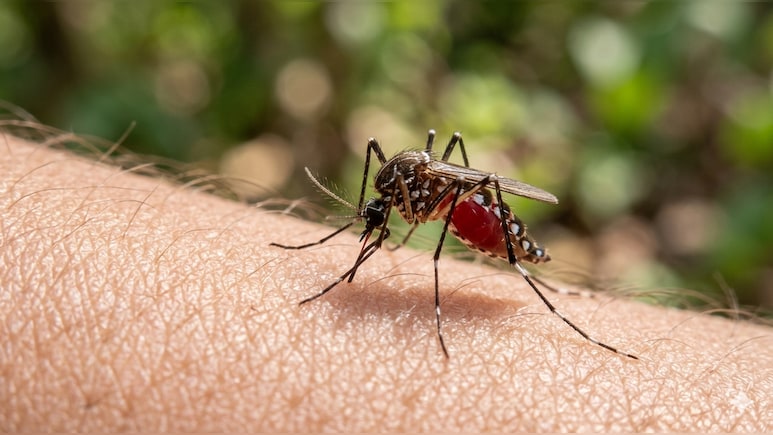
Because only female mosquitoes feed on blood, the release of males poses no risk of increasing biting activity. The project's primary target remains Aedes aegypti, one of the world's most notorious carriers of viruses, including dengue, Zika and yellow fever.
According to the US Centers for Disease Control and Prevention, West Nile virus remains the most prevalent mosquito-borne illness across the continental United States. Each year, more than 1,300 people develop severe infections that can affect the brain, spinal cord and other parts of the central nervous system.
Among the mosquito species most commonly encountered are Culex and Aedes. While Culex mosquitoes are typically most active around dusk and during the night, Aedes mosquitoes are known for biting during daylight hours.
ALSO READ: 'Crucial Juncture': Shubhanshu Shukla Opens Up On Second Space Voyage
Essential Business Intelligence, Sharp Market Insights, Practical Personal Finance Advice, Daily Fuel, Gold and Silver Prices and Latest Stories — On NDTV Profit.