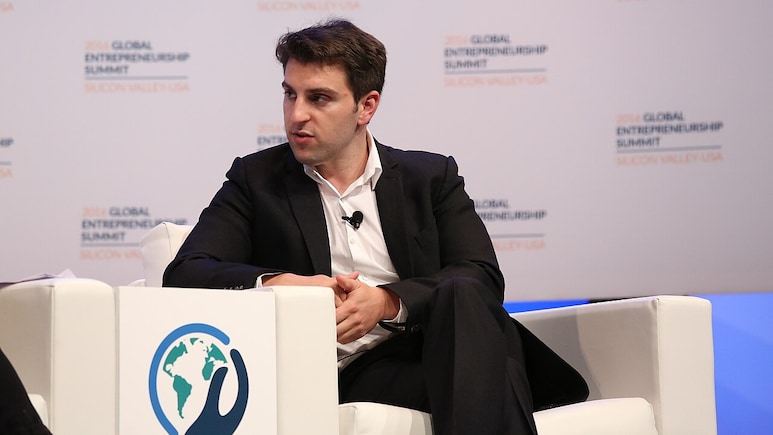
Airbnb CEO Brian Chesky has a warning for professionals navigating the artificial intelligence (AI) revolution: Those who only manage people and those unwilling to learn or adapt could struggle to remain relevant in the changing workplace.
Speaking on the Invest Like The Best podcast, Chesky said two categories of workers may find it difficult to make the transition to an AI-driven workplace, pure people managers and employees who are rigid and resistant to change.

-
 India's Market Leaders To Decode The New Samvat At NDTV Profit Ignite In Mumbai On Oct 28
-
 NDTV Profit IGNITE Diwali 2026: Top Market Veterans Decode Wealth Creation
-
 The Week Ahead: Earnings Season, Fed Policy Verdict And Crude Oil In Focus
-
 Silver Is Now Down From Rs 4.2 Lakh To Rs 1.9 Lakh: Where It Goes From Here
-
 NDTV Ignite, The Trillion-Dollar Trajectory: India's Road to 2030
“The two types of people who will not make the shift to AI are pure people managers, and people that are rigid and don't want to change and evolve,” Chesky said.
Also Read | Layoffs Are Rising In Tech, But These Skills Are Helping People Unlock Better Pay
ALSO READ: Airbnb's India Boom: First-Time Users Double, Q2 Bookings Jump 60% YoY
His remarks point to a shift in what companies may expect from their managers as AI tools change how teams operate and work gets done. According to Chesky, leadership roles will increasingly require hands-on involvement, rather than relying solely on supervising employees, conducting meetings and holding one-on-one conversations.
“I don't think people managers will have any value in the future. When I mean people managers, [I mean] people that only manage people,” he said.
Chesky argued that managers cannot limit their contribution to supporting employees emotionally or coordinating meetings. Instead, they will need to combine leadership responsibilities with direct involvement in the work itself.
He described this emerging role as a ‘hybrid people manager' or ‘manager IC', a manager who also functions as an individual contributor.
The Airbnb chief's argument is not that managing people will become unnecessary, but that management without practical expertise may lose its relevance.
To illustrate his point, Chesky referred to former Apple chief design officer Jony Ive, highlighting the balance between product design and team leadership. The example reflects his view that effective managers should remain closely connected to the work their teams produce.
Building strong relationships with employees will continue to matter, Chesky suggested. Regular check-ins and spending time with team members, including over dinner, can help managers understand their people and build trust. But these activities alone will not be enough if managers cannot contribute to the work or help employees improve their performance.
ALSO READ: Vijay-Rashmika's Koh Samui 'Buddymoon' Airbnb Film Goes Viral, Fans React With Love
Chesky also highlighted the risks for professionals who avoid learning new technology. As AI becomes more integrated into everyday work, employees who refuse to experiment with new tools could find themselves at a disadvantage.
However, he suggested that adapting to AI does not necessarily require advanced technical expertise. A willingness to learn, experiment and develop new skills can help workers navigate the transition.
Essential Business Intelligence, Sharp Market Insights, Practical Personal Finance Advice, Daily Fuel, Gold and Silver Prices and Latest Stories — On NDTV Profit.