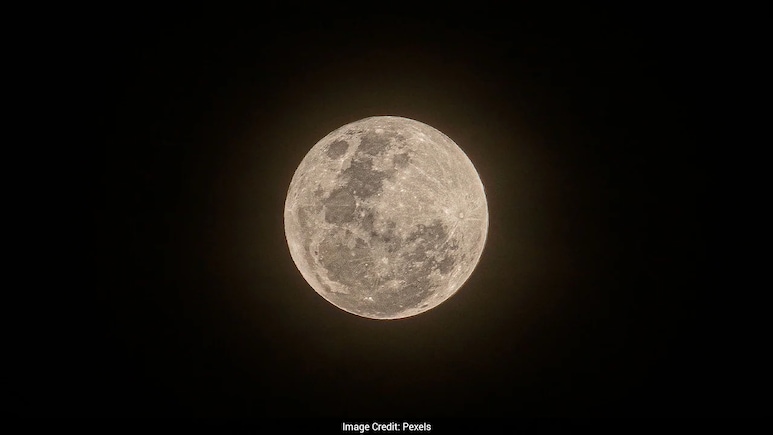
NASA is now on a mission to establish a permanent human settlement near the Moon's South Pole by the mid-2030s, according to which, the proposed base, will be potentially located around the Shackleton Connecting Ridge. The landing of humans on the moon surface will be carried out in three phases, beginning with robotic exploration and progressing towards sustained astronaut habitation.
The first phase will end in 2029 which focuses on robotic reconnaissance, water-ice exploration and technology demonstrations.
The second phase will be initiated from 2029 to 2032 which will combinly install the essential power systems, communication networks, rovers and initial habitation facilities.
Also Read | Layoffs Are Rising In Tech, But These Skills Are Helping People Unlock Better Pay
The final phase, beginning in 2032, will expand infrastructure, introduce advanced energy systems and support longer or continuous astronaut stays.
How Astronauts Will Live on the Moon
Leading towards the new journey in astrospace science, NASA is planning to develop habitats, transportation systems and life-support facilities to support extended lunar missions with the help of youngsters.
Astronauts could use pressurised and unpressurised rovers to explore the surface, while technologies designed to extract water ice and utilise lunar soil may reduce dependence on supplies transported from Earth. The settlement will also serve as a testing ground for technologies needed for future human exposure to Mars surface.
NASA Announces $1 Million Moon Base Challenge
To encourage the innovation, NASA has introduced the Moon Base Challenge, offering $1 million in prizes to student teams from eligible US high schools and post-secondary institutions.
The competition focuses on six areas that are power generation, habitat construction, life-support systems, surface mobility, communication networks and astronaut safety.
The Major Challenges which will be ahead of candidates journey are to build a lunar settlement which will require solutions to extreme temperatures, radiation exposure, abrasive dust and prolonged lunar nights, which can last approximately 14 Earth days.
Reliable electricity, water recycling, radiation shielding and sustainable construction methods will be essential processes for human establishments.
The estimated cost of investment ranges from approximately $20 billion to $30 billion, depending on the programme's scope and timeline. NASA also plans to rely on commercial partnerships for transportation and lunar deliveries.
Student Competition: Important Dates
The teams of two to five students must register by January 25, 2027, and submit initial proposals by February 22. Finalists will be announced on March 11, with final submissions due April 19. Winners will be declared on May 6, 2027.
ALSO READ: Voyager 1 Is Now One Light-Day From Earth: A Timeline Of NASA Probe's 49-Year Journey
NASA's initiative represents another major step towards transforming long-term lunar habitation from a scientific ambition into reality.
Essential Business Intelligence, Sharp Market Insights, Practical Personal Finance Advice, Daily Fuel, Gold and Silver Prices, Watch Business News Live and Latest Stories — On NDTV Profit.