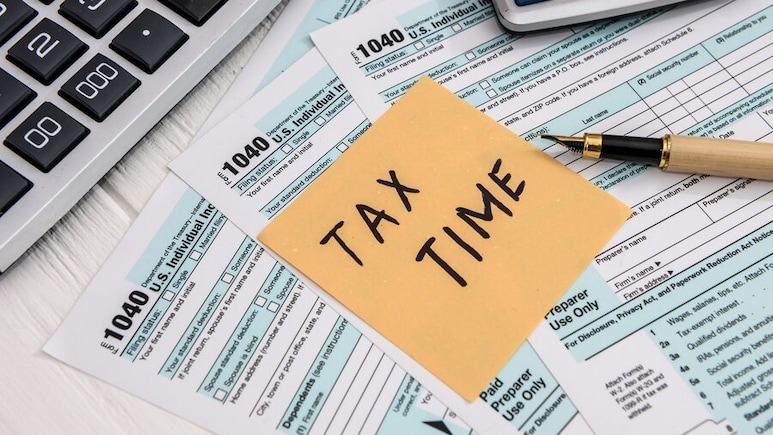
With just a few days left before the Income Tax Return (ITR) deadline, the Income Tax Department has shared a fresh update for taxpayers. In a post on X on July 27, Income Tax India said that "4 crore+ ITRs have already been filed" for Assessment Year (A.Y.) 2026-27.
The post also mentioned that "20 lakh+ average ITRs filed in last 5 days". It further reminded taxpayers, "Have you filed your ITR yet?" and urged them, "Don't wait for the deadline rush!"
Also Read | Layoffs Are Rising In Tech, But These Skills Are Helping People Unlock Better Pay
4 Crore+ ITRs for AY 2026-27 filed and counting!
— Income Tax India (@IncomeTaxIndia) July 27, 2026
Avoid the 31 July, 2026 deadline stress and file your ITR 1 & 2 early.
File your ITR 1 & 2 for AY 2026-27 now, before the last-minute rush:
???? https://t.co/GYvO3mStKf#ITR #ITRFiling #FileNow@nsitharamanoffc @officeofPCM… pic.twitter.com/wupNz24dZt
What Is The Last Date To File ITR?
As per the due date schedule, July 31 is the last date for ITR-1 and ITR-2 for individuals and Hindu Undivided Families (HUFs) who are not liable for tax audit.
For other taxpayers, the due dates are:
- ITR-3 (Non-Audit): August 31, 2026
- ITR-4 (Non-Audit): August 31, 2026
- ITR-3 (Tax Audit): October 31, 2026
- ITR-4 (Tax Audit): October 31, 2026
- Transfer Pricing Cases: November 30, 2026
Documents You Should Keep Ready
According to the Income Tax Department and tax experts, keeping all important documents ready before starting the filing process can make things much easier. These include:
- PAN and Aadhaar
- Bank Statements
- Form 16
- Donation receipts
- Stock trading statements from the broker platform
- Insurance policy paid receipts related to life and health
- Bank account information linked to PAN
- Aadhaar-registered mobile number for e-verifying the return
- Interest certificates from banks
What Happens If You Miss The Deadline?
Even if you miss the original due date, you can still file a belated return by Dec. 31, 2026. However, filing late comes with some disadvantages.
Taxpayers filing a belated return will have to pay a late filing fee of Rs 5,000 under Section 234F. If the total income does not exceed Rs 5 lakh, the maximum late fee is Rs 1,000. In addition, interest under Section 234A will be charged at 1% per month or part of a month on any unpaid tax until it is paid.
Another important drawback is the loss of certain tax benefits. If a taxpayer has incurred capital losses from selling shares, mutual funds or other capital assets during FY 2025-26, those losses can normally be carried forward for up to eight assessment years and adjusted against future capital gains.
ALSO READ | Income Tax Return E-Verification: 30-Day Rule, Process, Penalties Explained For 2026
However, this benefit is available only if the ITR is filed within the original due date. Missing the deadline means taxpayers lose the option to carry forward these capital losses.
An exception is house property losses, which can generally still be carried forward even if the return is filed after the due date, subject to the provisions of the Income Tax Act.
It is also important to note that a belated return and a revised return are different. A belated return is for taxpayers who miss the original filing deadline, while a revised return is meant for those who have already filed their ITR but later find an error or omission and want to correct it.
Essential Business Intelligence, Sharp Market Insights, Practical Personal Finance Advice, Daily Fuel, Gold and Silver Prices and Latest Stories — On NDTV Profit.