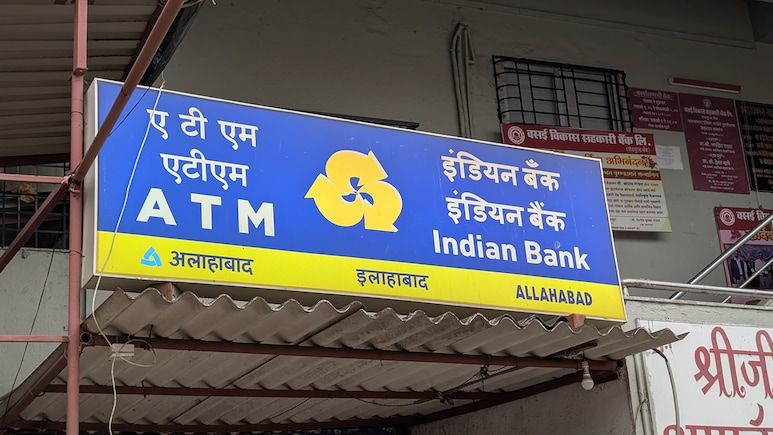
A savings account is often the first place people turn to when they want to keep their money safe and accessible for everyday expenses while earning some interest on their balance. It allows you to deposit money, withdraw funds whenever needed and earn interest without worrying about market fluctuations or long lock-in periods, making it useful to have alongside other investments.
ALSO READ: Bengaluru Woman Loses Rs 98,000 To Fraudsters After Ordering Damaged Curd Packet On Blinkit
Most savings accounts also offer decent interest rates. It is usually calculated on a daily closing balance and can range between 2.50% to 7% or sometimes even more. Some banks can offer rates quarterly, others monthly, while many also follow a tiered structure to determine the rates.
Also Read | Layoffs Are Rising In Tech, But These Skills Are Helping People Unlock Better Pay

-
 Indian Markets Turning Corner After Two Tough Years, Says Sandeep Tandon
-
 NDTV Profit Ignite 2026: Experts See Opportunity In Equities, Stay Bullish For Long-Term
-
 Buy Right, Sit Tight Does Not Work for Individual Stocks, Says Dinshaw Irani
-
 'Worst Is Behind': Quant MF Sees Market Bottom, Flags 'Extreme Euphoria' In Midcaps
-
 India's Mutual Fund Industry Could Become A $1 Trillion Opportunity, Say Fund Managers
-
 'Foreign Investors Are Baraatis': Raamdeo Agrawal's Take On LTCG Tax
-
 Stay Invested Through Market Cycles: Raamdeo Agrawal at NDTV Profit Ignite
-
 Ramesh Damani Remains Bullish On India For Next 20-30 Years, Sees Bargains Amid Market Weakness
-
 CAS Came After A Long Consultation Process: SEBI Chairman Tuhin Kanta Pandey AT NDTV PROFIT IGNITE
-
 Aim To Cut FPI Onboarding Time From Mth To Five Days: SEBI Chairman Tuhin Kanta Pandey AT NDTV PROFI
Understanding how these may compound your money can help you save a little more than usual.
If you keep Rs 5 lakh in a savings account for 12 months, the interest you earn will depend on the bank's interest rate and how it applies that rate to your balance.
Scenario 1: Savings account offering 2.50% p.a., compounded monthly v quarterly
Assuming you maintain Rs 5 lakh throughout the year and interest is reinvested monthly or quarterly:
Details | Monthly compounding | Quarterly compounding |
Initial deposit | Rs 5,00,000 | Rs 5,00,000 |
Annual interest rate | 2.50% | 2.50% |
Compounding frequency | 12 times a year | 4 times a year |
Interest earned in 12 months | Rs 12,738.54 | Rs 12,618.39 |
Final balance | Rs 5,12,738.54 | Rs 5,12,618.39 |
In this assumed scenario, it can be seen that monthly compounding earns approximately Rs 120 more over one year than quarterly compounding.
Scenario 2: Savings account with tiered interest rates
Balance slab | Interest rate | Interest for one year |
First Rs 2,00,000 | 2.50% | Rs 5,000 |
Next Rs 2,00,000 | 3.00% | Rs 6,000 |
Next Rs 1,00,000 | 3.50% | Rs 3,500 |
Total: Rs 5,00,000 | Rs 14,500 |
Balance after 12 months: Rs 5,14,500
While the difference between both scenarios may not feel too big, it still helps you to optimise your savings if you understand how your money is compounded. This can be beneficial over the long-term if your corpus grows or if you decide to park your emergency funds in a savings account.
ALSO READ: Joined Your First Job? Five Things To Look For Before Finalising Your Salary Bank Account
Essential Business Intelligence, Sharp Market Insights, Practical Personal Finance Advice, Daily Fuel, Gold and Silver Prices and Latest Stories — On NDTV Profit.