- Retiring EPF members can now withdraw savings in periodic instalments via Systematic Withdrawal Plan
- EPFO approved SWP to provide retirees a stable income stream while retaining corpus ownership
- Nominees can choose to withdraw balance or continue payouts if member dies during withdrawal period
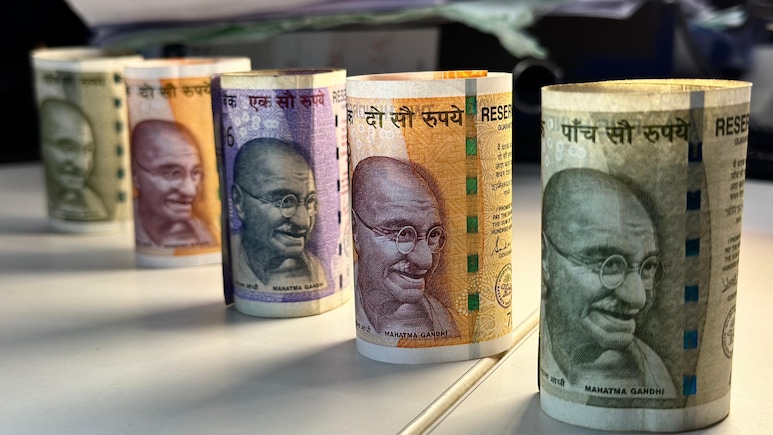
Retiring members of the Employees' Provident Fund (EPF) will soon be able to take their savings as a regular income instead of one lump sum. The Central Board of Trustees (CBT) of the Employees' Provident Fund Organisation (EPFO) on Thursday approved a Systematic Withdrawal Plan (SWP). Members will be able to draw down their accumulated provident fund in periodic instalments after they retire.
EPFO said the facility will help members “convert their retirement savings into a stable and predictable stream of systematic withdrawals post-retirement, while preserving ownership of the underlying corpus.” The decision came at the board's 240th meeting, held at EPFO's headquarters in New Delhi. The meeting had originally been planned for Gir, Gujarat.
What changes for retirees
Also Read | Layoffs Are Rising In Tech, But These Skills Are Helping People Unlock Better Pay
At present, EPF subscribers can withdraw 100% of their accumulated provident fund once they turn 58. In practice, most retirees take out the whole amount at once. Members with at least 10 years of eligible service also get a monthly pension under the Employees' Pension Scheme (EPS), but that is separate from the PF corpus.
The SWP adds a third route. Instead of moving the entire corpus out of EPF on retirement, a member can leave it with EPFO and receive payouts at regular intervals. The money stays in the member's name throughout.
EPFO said the move will give retirees “a flexible, regular and reliable income stream”. For many retirees, this matters because a large lump sum is often hard to manage. It can be spent quickly or put into products that don't suit their needs.
What happens if the member dies
The approved framework also covers this. If a member dies during the payout period, the nominee or dependent can choose either to withdraw the remaining balance or to keep receiving the periodic payments, according to EPFO.
How the payouts could work
EPFO's statement did not give the operational details. These are expected when the scheme is notified. According to earlier reports on the proposal, members may get three options:
- Withdraw the entire corpus in regular instalments
- Take a portion upfront and receive the rest through scheduled payments
- Withdraw only the interest earned on the balance
The facility is expected to run for a fixed period. Reports suggest members would be able to stop it at any point and claim the outstanding amount.
Because the unwithdrawn balance stays within EPF, it is expected to keep earning EPF interest. For 2025-26, the CBT recommended an EPF interest rate of 8.25%. That is higher than what most bank fixed deposits currently offer retirees.
Who stands to benefit
EPFO's internal estimates, as cited in earlier reports, suggest about 6.32 lakh subscribers aged over 55 who each hold more than Rs 5 lakh in their PF accounts could benefit directly.
The facility is expected to be limited to members covered under the statutory EPF framework. Employees whose provident funds are managed by exempted trusts are not expected to be eligible.
ALSO READ: From Coimbatore To The World: How Oorla Turned South Indian Sweets Into A Global Business
No extra cost to the government
Officials have reportedly said the arrangement will not create any recurring expenditure for the Centre, EPFO or the Employees' Pension Fund. Payouts will come entirely from members' own accumulated contributions.
Other proposals on the table
The SWP was one of several proposals aimed at making EPF more flexible. One would let members make voluntary top-up deposits into their EPF accounts through specified digital platforms. These deposits would not get a matching employer contribution and would be subject to Income-tax Act restrictions and limits set by the CBT.
EPFO is also exploring ways to bring informal-sector and gig workers into formal retirement savings. One idea is to let third parties deposit small payments, such as tips, gifts and gratuities, directly into a worker's EPF account through digital payment platforms linked to their Universal Account Number (UAN). Officials are reportedly considering extending the withdrawal framework to delivery and platform workers, construction labourers, domestic workers, street vendors and home-based workers over time.
Pensioners were also watching the meeting for a decision on the minimum EPS pension, which has stayed at Rs 1,000 a month since 2014. Ahead of the meeting there were reports of a possible increase to Rs 3,000.
ALSO READ: PPF Vs Bank FD: Which Builds Better Wealth Over Long Term?
The SWP will take effect only after it is notified. EPFO is expected to release detailed guidelines, including payout frequency, minimum balance requirements and how to opt in.
Essential Business Intelligence, Sharp Market Insights, Practical Personal Finance Advice, Daily Fuel, Gold and Silver Prices, Watch Business News Live and Latest Stories — On NDTV Profit.