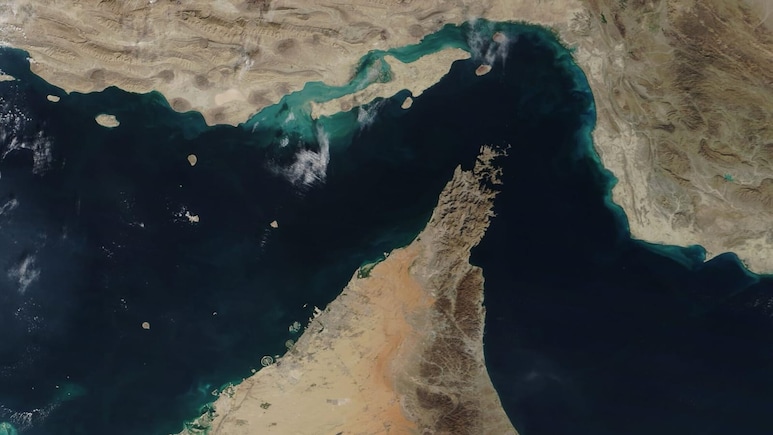
- Closure of the Strait of Hormuz has severely disrupted global energy markets
- Even if a truce is reached, oil prices will remain high for an extended period
- Reopening the strait will be complex and may involve tolls imposed by Iran
Closure of the Strait of Hormuz amid the US-Iran war has sent shock waves through global energy markets. Even if truce is agreed upon in discussions between the United States and Iran, taking place in Pakistan's Islamabad, experts expect the impact of the closure to linger on for longer.
"Let's imagine the talks go well, there will be a long period till they (oil prices) come down," Edward Carr, Deputy Editor, The Economist, said while talking to NDTV Profit.
According to Carr, three factors will be at play when it comes to recovery of the energy markets post a potential re-opening of the key maritime shipping lane.
Also Read | Layoffs Are Rising In Tech, But These Skills Are Helping People Unlock Better Pay
To begin with, the mechanics of opening the strait will be tricky as he anticipates a lot of "game playing" by Iran. The country might levy some toll or rent on the vessels passing through, therefore, adding on to freight costs.
ALSO READ: Iran War Impact: Brent At $96 But Why India Still Can't Afford To Relax
Secondly, since a lots of ships are currently pent up there and the wells have been shut down, "reopening them will take time and getting supplies through will take time," Carr explained.
Lastly, Iran has established that it is willing to strike the strait, and other energy infrastructure such as powerplants and pipelines across the Gulf, making the space all the more vulnerable for future disruptions.
"Iran has established a new weapon, it has established that it is willing to strike the strait, the oil infrastructure, and pipelines of the gulf states," Carr underscored, highlighting how this adds a new layer of vulnerability for any potential conflicts with Tehran in the future.
Some other analysts attribute Iran's stronghold on Hormuz to the "persistent" aerial threat it poses against the ships passing through the route.
"While Iran had, at the start of the war, a naval capability to close the Strait — with mines, drone boats, fast boats, anti-ship missile — this is not how they are holding shipping at risk currently," Blaise Misztal, vice president for policy at the Jewish Institute for National Security of America told news agency Bloomberg.
He added that it is at present Iran's persistent aerial threat, particularly drones, that has hit commercial ships and caused them to cease transit through the Strait.
Essential Business Intelligence, Sharp Market Insights, Practical Personal Finance Advice, Daily Fuel, Gold and Silver Prices and Latest Stories — On NDTV Profit.