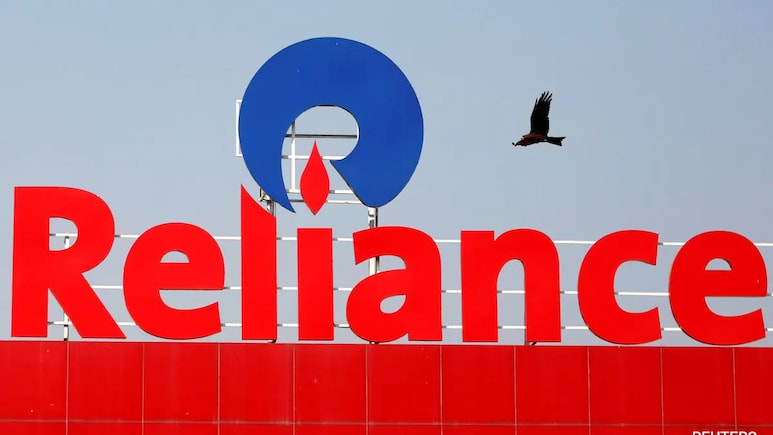
Shares of Reliance Industries Ltd (RIL) hit a 10-month low-mark of Rs 1,301.40 on Monday, April 6, dropping over 4% intraday on the NSE, pulling the Nifty 50 benchmark down by 78 points in the session. The oil-to-telecom conglomerate's market capitalisation also slipped below the Rs 18 lakh crore-mark, hitting its lowest level since April 2025.
RIL has eoreded nearly Rs 2.4 lakh crore worth market value in 2026 so far. Currently, RIL commands a market cap of Rs 17,58,544.82 crore, according to stock exchange data. Amid the ongoing selloff, shares of billionaire industrialist Mukesh Ambani-led conglomerate have corrected 19% from its 52-week high of Rs 1,611.80 on Jan. 5, 2026.
ALSO READ: Earnings To Stall? Zero Growth Risk Looms If Iran War Continues, Says BofA
Also Read | Layoffs Are Rising In Tech, But These Skills Are Helping People Unlock Better Pay
Shares of RIL have declined nearly 8% in the last one month. On a year-to-date basis, RIL is down 17%, the worst start to the year since 1997. The stock price of the country's most-valued company is down 1.06% in the last one year, according to NSE data. Shares of RIL last traded 3.84% lower at Rs 1,398.70 apiece, against NSE's drop of 0.25% to 22,657 in afternoon trade.
Why is RIL's stock under pressure?
The stock came under pressure after the government's decision to levy export duty on petrol, diesel, and aviation turbine fuel (ATF, or jet fuel) raised concerns over margins. The US-Iran war has heightened global supply of raw crude oil due to which Brent crude rates are at an all-time high. With India importing over 85% of its crude oil requirements, the spike has significantly increased the country's import bill and raised concerns about inflation.
The situation has been further aggravated by disruptions in key global supply routes, including tensions around the Strait of Hormuz, a critical artery for global oil trade. On March 27, 2026, Finance Minister Nirmala Sitharaman announced that the government would levy duties of Rs 21.5 per litre on diesel and Rs 29.5 per litre on aviation turbine fuel (ATF) or jet fuel.
Amid the ongoing Middle East conflict and the war between US and Iran, the Centre levied export duty on fuel to ensure adequate availability for domestic consumption. According to analysts, the company's O2C segment's performance could be impacted by the Middle East war owing to supply disruption.
ALSO READ: Iran's Grip On Global Energy And Why The Strait Of Hormuz Isn't Closing
RIL's gas production is also expected to be weak. The crude deliveries are disrupted, with the freight and insurance costs soaring high. The O2C's arketing segment is currently hit owing to a limited hike in retail fuels. Reliance Industries's telecom segment (Reliance Jio) growth could be impacted owing to no tariff hike and a muted subscriber additions.
Brokerage View
RIL's retail segment, Reliance Retail Ventures Ltd, could be the only saviour in the fourth quarter of FY26 (Q4FY26). RIL peers such as Trent, Avenue Supermarts, Senco, Nykaa have reported strong growth. Analysts believe RIL is trading even below the lowest target price. Brokerages have pegged a 12-month consensus target price of Rs 1,718, which is a 33% upside from the current trading price. The lowest target price is marked at Rs 1,385, implying a 7% upside and the highest target price for RIL is pegged at Rs 1,910, which shows 47% current potential upside.
Essential Business Intelligence, Sharp Market Insights, Practical Personal Finance Advice, Daily Fuel, Gold and Silver Prices and Latest Stories — On NDTV Profit.