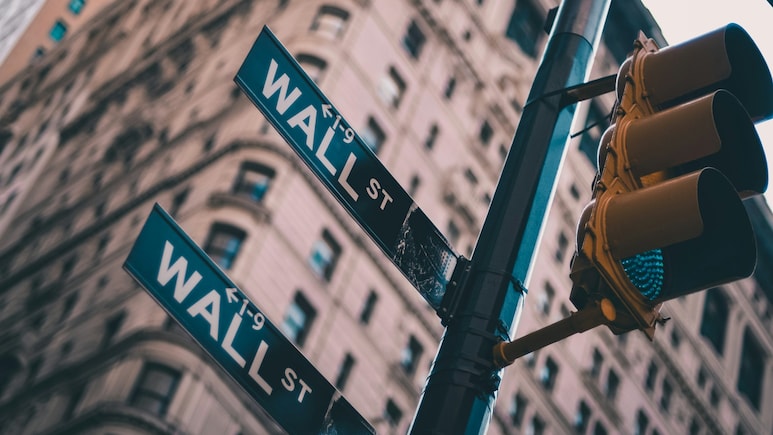
Wall Street is taking another step towards bringing traditional stocks on to the blockchain, but corporate America is not entirely on board. OKXICE, a trading platform jointly operated by New York Stock Exchange parent Intercontinental Exchange and cryptocurrency exchange OKX, is set to begin trading tokenised securities on Monday, even as nearly 90% of the companies initially approached have objected to having their shares listed.
CNBC reported that of the 62 companies whose stocks OKXICE initially sought to tokenise, 56 opposed the move, according to a review of public notices issued between October 4 and November 5. More companies have since raised objections, including those outside the original list.
The resistance, however, may have more to do with timing and a lack of familiarity with the model than outright opposition to blockchain-based trading.
Also Read | Layoffs Are Rising In Tech, But These Skills Are Helping People Unlock Better Pay
ALSO READ: Jensen Huang Is Back: Nvidia Reinstates Ousted CEO 11 Days After His Shock Exit
At launch, investors will be able to trade tokenised shares of Coinbase, Robinhood, Strategy, Circle, Securitize and BitGo. OKXICE has also confirmed 113 assets, including exchange-traded funds and other products, for a phased rollout. Fidelity Investments, Direxion, eToro, Strive and Vida Global have also joined the initiative.
According to CNBC, Andrew Cuomo, co-chair of OKXICE and former New York governor, described the shift towards round-the-clock global trading as "revolutionary and transformational" for market infrastructure. He told CNBC that many companies were unfamiliar with tokenisation and had not had sufficient time to understand its implications.
The objections have also exposed concerns around the regulatory process. The US Securities and Exchange Commission's (SEC) Innovation Exemption, which took effect in September, requires platforms to notify companies and give them a 30-day window to object to tokenisation. An objection prevents their shares from being listed.
Seth Ginns, chief investment officer at Franklin Templeton's crypto arm, told CNBC that several companies were open to exploring tokenisation but did not want to make a decision in such a short window, particularly during earnings season and the US midterm elections.
There are also concerns about how 24/7 trading could affect stock prices and corporate communication. Ran Grushkowsky, CEO of MassPay, said some companies were worried about managing investor relations and scheduling announcements when their shares could trade around the clock.
ALSO READ: Nvidia Share Price Jumps 29% In Premarket Trade On Jensen Huang's Return As CEO
The pushback has not deterred exchanges. Nasdaq is planning an issuer-led tokenised equities model with Kraken parent Payward in the second quarter of next year, giving companies greater control over how their shares move on to blockchain-based infrastructure.
For ICE and Nasdaq, tokenisation offers a way to retain their position in financial markets as crypto-native platforms expand into traditional assets. It could eventually enable faster settlement, fractional ownership and round-the-clock trading.
However, the commercial payoff may take time. CNBC reported Clear Street analyst Owen Lau said that that tokenisation expands the industry's total addressable market, although the immediate revenue opportunity may remain limited.
Essential Business Intelligence, Sharp Market Insights, Practical Personal Finance Advice, Daily Fuel, Gold and Silver Prices, Watch Business News Live and Latest Stories — On NDTV Profit.