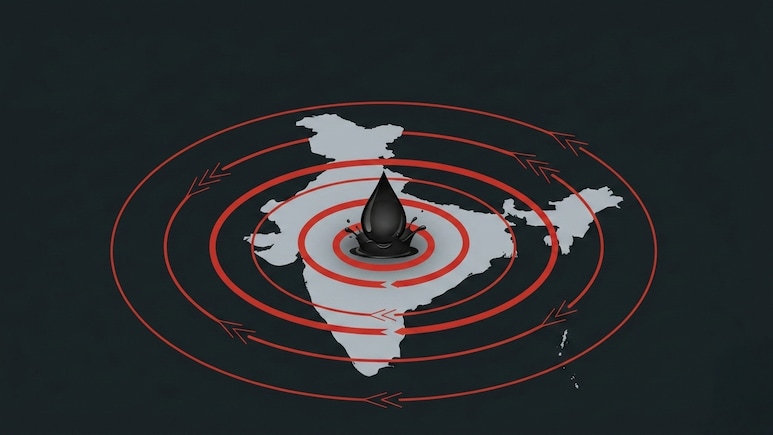
With Israel and the US locked in an escalating standoff against Iran, global oil markets are bracing for impact. For India, a nation heavily reliant on imported crude, any disruption spells immediate economic ripples, big or small. From the squeezing of corporate margins to widening fiscal deficits, escalating oil prices present a complex web of challenges and isolated opportunities.
Here is a breakdown of how the ongoing Iranian tensions could impact the Indian economy, explained in five charts.
1. The World's Oil Artery
Also Read | Layoffs Are Rising In Tech, But These Skills Are Helping People Unlock Better Pay
The Strait of Hormuz remains the world's most critical oil artery. At just twenty-one miles wide, this narrow chokepoint handles roughly twenty million barrels per day, representing a staggering twenty per cent of all global oil and LNG shipments.
While analysts assess the probability of a complete Iranian blockade as relatively low, any such event would be truly catastrophic for global energy supplies, triggering unprecedented price shocks across international markets.
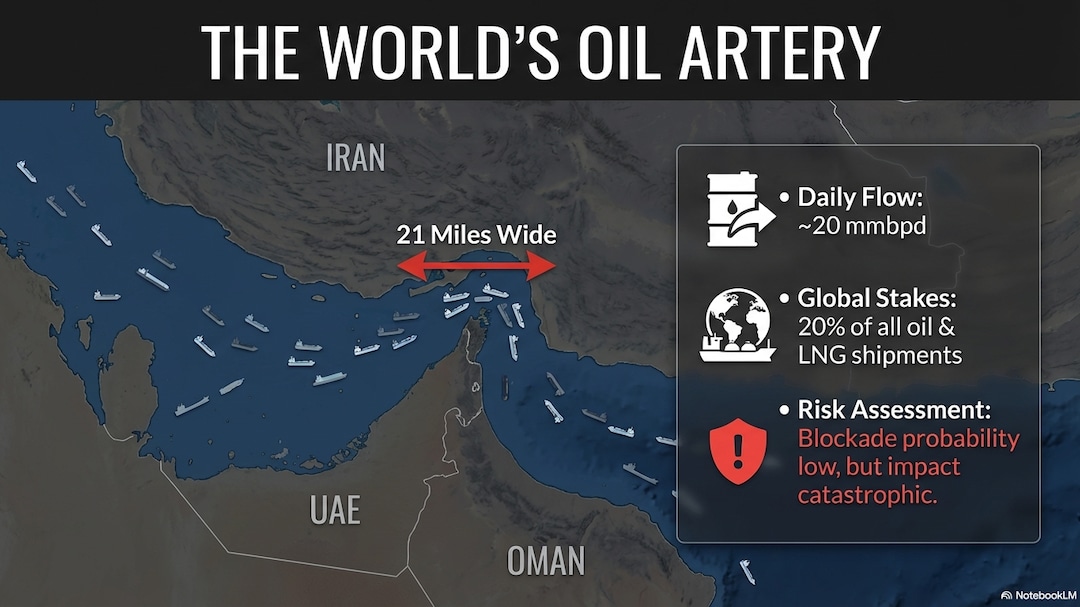
Photo Credit: NDTV Profit
2. The Squeeze on OMCs
Oil Marketing Companies (OMCs) like IOCL, BPCL, and HPCL are feeling a severe squeeze. Their profitability is inversely tied to global crude spikes. For every single dollar increase per barrel of crude, these companies suffer Rs 0.5 per litre decline in gross marketing margins. If crude sustains above the $80 threshold, their normal margins of roughly Rs 3.5 per litre face total collapse, deeply impacting their overall financial health.
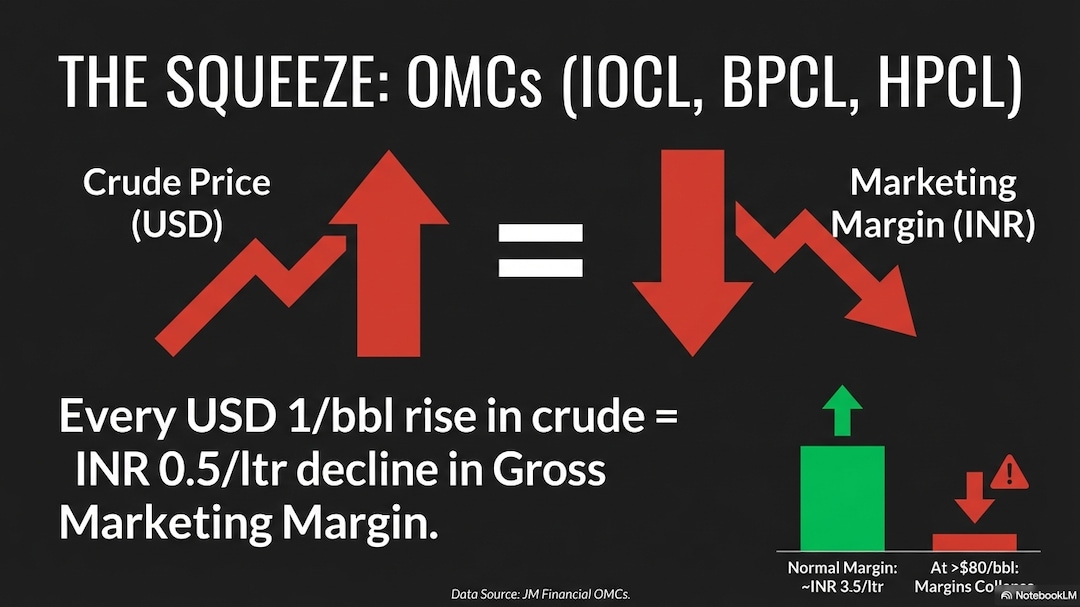
Photo Credit: NDTV Profit
3. Turbulence Ahead For Aviation
India's aviation sector braces for turbulence as global oil prices trend upwards. Aviation Turbine Fuel (ATF) constitutes a massive 40% of an airline's total operating expenses. With prices in Delhi nearing Rs 100,000 per kilolitre following three consecutive monthly hikes, carriers face a bruising hit to profit margins. Sustained tensions will inevitably force airlines to pass these soaring costs onto passengers, making travelling significantly more expensive.
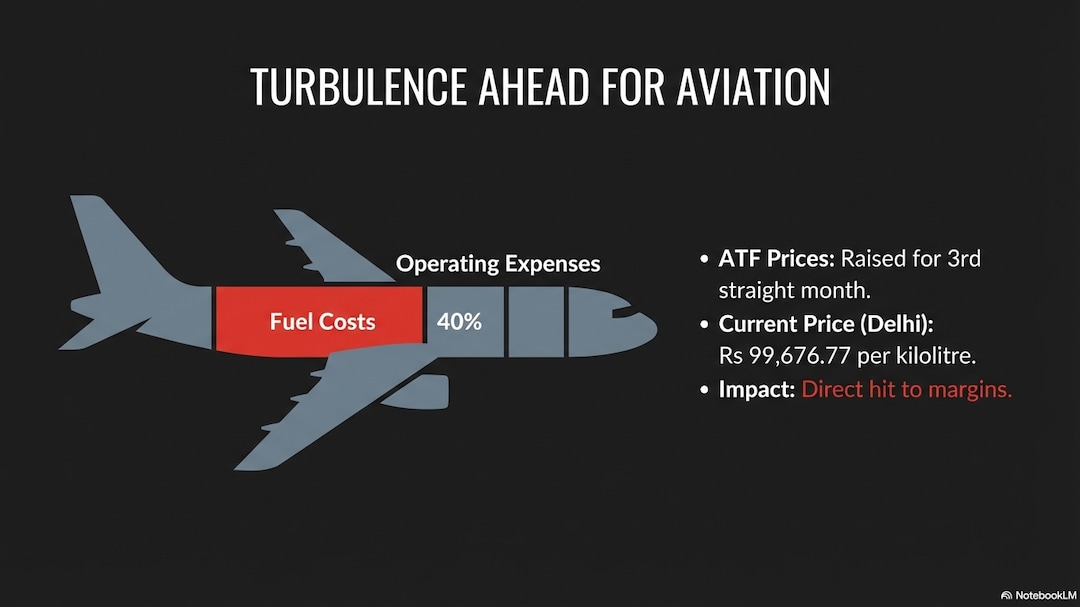
Photo Credit: NDTV Profit
ALSO READ: ONGC, Oil India Shares Hit Over One-Year High — Here's Why
4. Rising Tide Lifts Upstream Boats
While soaring oil prices batter most sectors, upstream exploration companies like ONGC and Oil India emerge as clear beneficiaries. A rising tide lifts these boats; every one-dollar increase in crude prices translates to a robust 1.5 to 2 per cent rise in their Earnings Per Share. Because the market currently discounts crude valuations at roughly $65 a barrel, these stocks present a compelling buying opportunity for investors hedging against broader volatility.
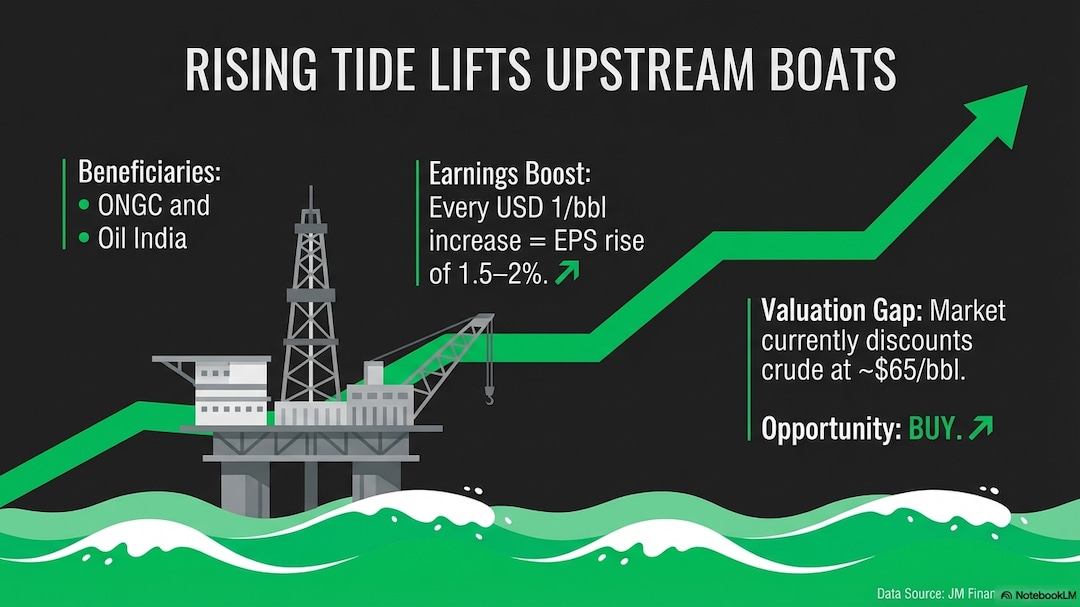
Photo Credit: NDTV Profit
5. The Fiscal Dilemma
The Indian government faces a fiscal dilemma if crude prices spiral out of control. Policymakers must balance on a precarious tightrope. Scenario A involves cutting excise duties to shield consumers, which inevitably widens the national fiscal deficit. Scenario B allows companies to pass costs through to the public, fuelling severe domestic inflation. Ultimately, the state must choose between fiscal health and broader economic growth.
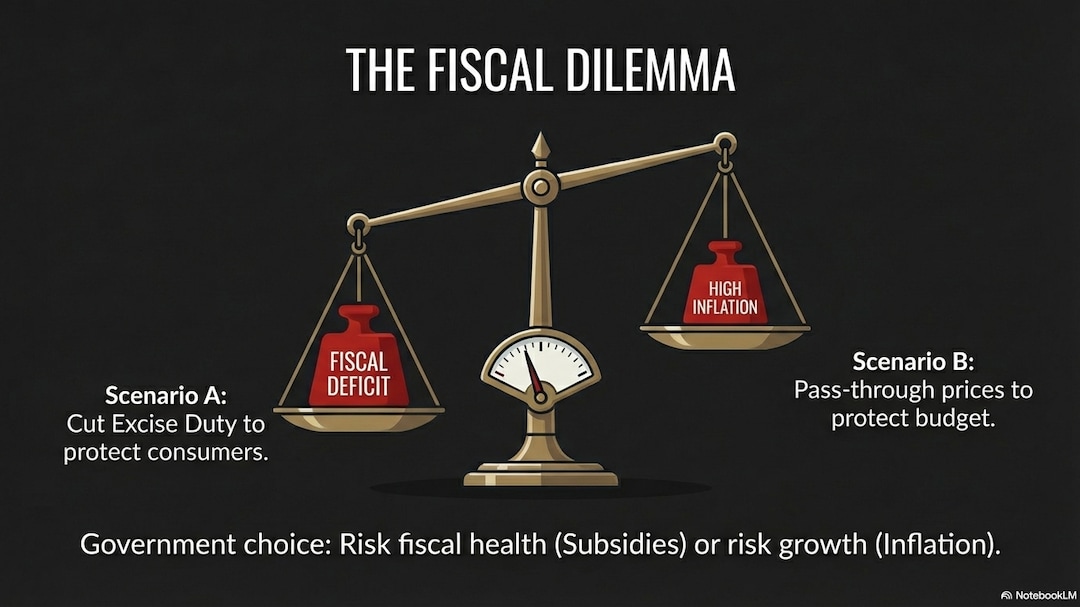
Photo Credit: NDTV Profit
Essential Business Intelligence, Sharp Market Insights, Practical Personal Finance Advice, Daily Fuel, Gold and Silver Prices and Latest Stories — On NDTV Profit.