(Bloomberg) -- Asian stocks dropped for the first time in a week and commodities slumped as the possibility of bank bailouts in Italy gave investors another reason to exercise caution in the wake of the U.K.'s vote to leave the European Union. Haven assets including the yen and sovereign bonds rose.
Banks and energy stocks led losses on the MSCI Asia Pacific Index. Brent crude dropped below $50 a barrel as nickel slid from an eight-week high, while gold and silver fell for the first time in at least a week. The yen strengthened against all 31 major peers and a gauge of dollar strength snapped a five-day losing streak. The currencies of commodity-exporting nations fell, with Australia's dollar weakening as its central bank left interest rates unchanged. Ten-year bond yields sank to records in Australia and Taiwan.
Fading prospects of a U.S. interest-rate increase and speculation that central banks will add to monetary stimulus in Europe and Japan helped global stocks recover the bulk of the losses that followed the U.K.'s June 23 vote. Italy is considering using state funds to recapitalize its banking system, a plan that Fitch Ratings warned would likely face resistance from the EU.
“We have an amalgamation of small reasons to fall piling up," said Takuya Takahashi, a Tokyo-based senior strategist at Daiwa Securities Group Inc. “There is probably some selling of banks' shares that's related to the Italian banks' public cash injection issues. Oil prices have taken a breather, and related shares are falling.”
The U.S. has durable goods orders data scheduled for Tuesday and gauges of services output are due for the U.K. and the euro area. China's services output improved last month, while Japan's deteriorated, reports showed. The Reserve Bank of Australia left its benchmark rate at a record 1.75 percent, a decision forecast by all of the economists in a Bloomberg survey.
Stocks
The MSCI Asia Pacific Index lost 0.7 percent as of 1:57 p.m. Tokyo time. Benchmark stock indexes fell in Hong Kong and Japan, while the Shanghai Composite Index gained 0.4 percent. New Zealand's S&P/NZX 50 Index advanced for a seventh day, its longest winning streak since April. Financial markets in Indonesia are shut all week.
“We've got elevated risk levels around the world,” Ric Spooner, a Sydney-based chief market analyst at CMC Markets, told Bloomberg TV. “It seems very unlikely that we are going to get any real clarity on the big issues surrounding Brexit and the survivability of Europe for some months.”
Fast Retailing Co. slid as much as 4.5 percent in Tokyo after the company released June sales figures for its Uniqlo casual-wear chain. Cnooc Ltd., China's biggest offshore oil and gas producer, dropped 1.1 percent in Hong Kong.
Futures on the S&P 500 Index fell 0.2 percent from Friday levels before U.S. markets resume trading following Monday's Independence Day holiday. Contracts on the U.K.'s FTSE 100 Index were down 0.1 percent, after the gauge dropped for the first time in a week during the last session.
Commodities
The Bloomberg Commodity Index fell 0.7 percent from its Friday closing level, retreating from a three-week high.
Brent crude declined 1.1 percent to $49.57 a barrel as estimates showed Nigerian production rose last month following repairs to infrastructure that had been damaged by militant attacks. The African nation pumped an average of 1.53 million barrels a day last month, an increase of about 90,000 a day from May, according to a Bloomberg survey.
Silver slid 1.9 percent, ending a two-day jump of 8.6 percent that marked its steepest rally in five years. The metal's 14-day relative-strength index was at 86 on Monday, above the 70 mark that indicates to some traders that the market is overbought and prices are poised to decline. Gold dropped 0.5 percent, pulling back from its highest close since March 2014.
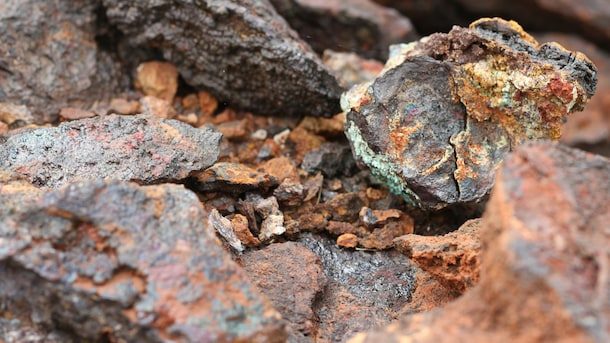
Nickel slipped 2.9 percent in London. It surged 14 percent over the last five sessions as Philippine Environment Secretary Gina Lopez announced plans for an audit of the nation's mining operations that may disrupt production. Copper fell 0.8 percent, while tin and lead lost more than 1 percent.
Palm oil dropped as much as 2.1 percent in Kuala Lumpur, snapping a three-day advance. Malaysian inventories of the world's most-used vegetable oil probably expanded in June for the first time since November, a Bloomberg survey showed before data due in the coming week. Malaysia is the second-biggest producer of palm oil, behind Indonesia, and its financial markets will be shut for a holiday over the next two days.
Currencies
The yen climbed 0.5 percent to 102.02 per dollar. The currency has gained about 4 percent since the U.K. referendum amid persistent demand for haven assets. The Bloomberg Dollar Spot Index rose 0.2 percent, while the euro weakened 0.3 percent.
“Markets are concerned about what's going on in the U.K. and there's more uncertainty about Italian banks,” said Vishnu Varathan, a senior economist at Mizuho Bank Ltd.
The Aussie fell 0.4 percent, after climbing 1.2 percent over the last two sessions. A national election over the weekend failed to produce a clear winner with officials continuing to tally votes on Tuesday. The currencies of Canada, New Zealand and South Africa rand slid 0.3 percent or more, retreating with commodities.
South Korea's won slid 0.7 percent, the biggest loss among 31 major currencies. It declined for a second day amid speculation the central bank will intervene following a 3 percent jump last week that marked the steepest post-Brexit rally in Asia. Appreciation may hurt the nation's exports, which declined for an 18th straight month in June.
Bonds
The yield on U.S. Treasuries due in a decade fell three basis points to 1.41 percent in their first trading session of the week, nearing the all-time low of 1.38 percent recorded on July 1. It slid 12 basis points last week as futures indicated that the chance of the Federal Reserve raising interest rates this year had dwindled to 12 percent, having been 50 percent prior to the U.K.'s vote on EU membership.
Australia's 10-year yield dropped as much as nine basis points to a record-low 1.92 percent following the RBA meeting. Taiwan's declined four basis points to an unprecedented 0.70 percent after the island's central bank was said to have lowered an overnight interest rate.
--With assistance from Chikako Mogi Emma O'Brien Adam Haigh and Lilian Karunungan To contact the reporters on this story: James Regan in Hong Kong at jregan19@bloomberg.net, Yuko Takeo in Tokyo at ytakeo2@bloomberg.net. To contact the editors responsible for this story: James Regan at jregan19@bloomberg.net, Sarah McDonald, Jeff Sutherland
Essential Business Intelligence, Sharp Market Insights, Practical Personal Finance Advice, Daily Fuel, Gold and Silver Prices and Latest Stories — On NDTV Profit.