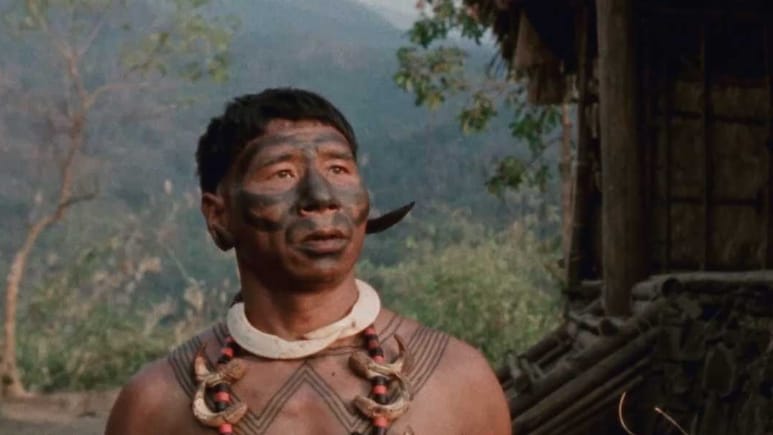
Theja Rio's Konyak-language debut Angh, has won a major festival prize, at Toronto Film Festival, bringing an unfamiliar corner of India, Nagaland, into the international cinematic conversation, BBC reported.
Made in the Konyak language, Angh, has attained an unexpected success on the international festival circuit, putting the northeastern Indian state and its indigenous storytelling traditions in the global cinematic spotlight.
The award recognises films with distinctive directorial voices, with the jury praising Rio's perspective and his portrayal of a community rarely represented in international cinema. The recognition could also give Angh a route towards consideration for the 2027 Academy Awards.
Also Read | Layoffs Are Rising In Tech, But These Skills Are Helping People Unlock Better Pay
Under new rules, winners of designated prizes at six international film festivals can become eligible for consideration in the International Feature Film category without depending exclusively on their country's official submission. The distinction, however, does not mean Angh has been nominated for an Oscar.
ALSO READ | Don't Be Shy X Reviews: Viewers Call Aarushi Bajaj's Film 'Heartwarming' And 'Comforting'
Set in the early 1960s, the film follows Anghba, an ageing hereditary chief of a Konyak village, and his young son Amao as their community experiences profound social and religious change.
The Konyaks are one of Nagaland's major tribal communities and are concentrated largely in Mon district. The film explores a period when Christianity was spreading rapidly among Naga communities, transforming religious beliefs as well as customs, rituals and everyday life.
At the centre of the story is the relationship between father and son. While the father remains attached to ancestral traditions, his son becomes increasingly curious about the new world represented by an American missionary.
Rio said the idea for the film emerged during a visit to Mon for another project. He was struck by how different generations appeared to exist alongside one another, with older members carrying memories of traditional practices while younger generations embraced modern influences.
“It feels like you've jumped on a time machine,” Rio said. The filmmaker also sought to move away from the traditional outsider's portrayal of the Konyak community.
ALSO READ | Hindi OTT Releases This Week: Don't Be Shy, Hunkkar: The Roar, Bakaiti & More — Movies, Series To Watch
Historical accounts and photographs have often focused on elements such as facial tattoos, ornaments, weapons and the community's former headhunting practices. With Angh, Rio wanted audiences to experience the story from within the community rather than through an external or “explorer” gaze.
The film was shot on 16mm by cinematographer Adam Pietkiewicz, drawing inspiration from archival photographs and footage of Naga communities from the 1950s and 1960s. Much of the cast comprised first-time performers, while Konyak advisers contributed to the dialogue, costumes and production design.
Film critic Siddhant Adlakha said the movie captures the complexity of tradition and change, while treating the forest not simply as a backdrop but as a place with its own history.
The success of Angh also highlights the growing diversity of Indian cinema beyond established filmmaking centres. Rio hopes the attention will encourage more filmmakers from Nagaland to bring their stories to wider audiences.
“There are so many talented filmmakers with so many beautiful stories that are yet to be told,” he said.
Essential Business Intelligence, Sharp Market Insights, Practical Personal Finance Advice, Daily Fuel, Gold and Silver Prices and Latest Stories — On NDTV Profit.