India has inaugurated the world's first hydrogen production facility powered by nuclear process heat, opening a new pathway for generating clean fuel without relying on fossil fuels or electrical heating.
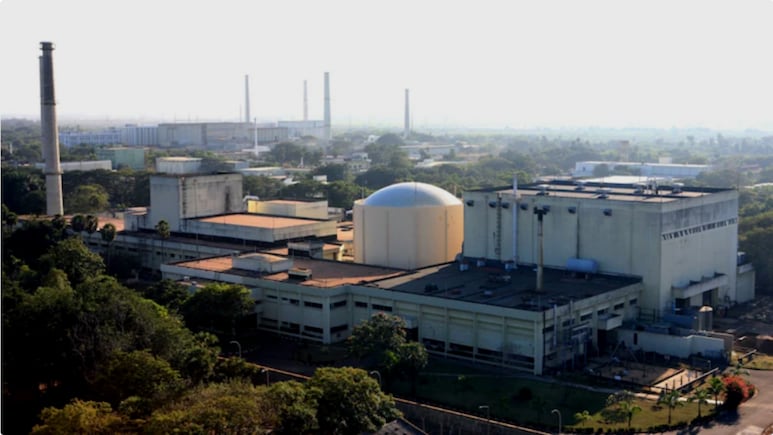
Secretary of the Department of Atomic Energy Ajit Kumar Mohanty inaugurated the facility, which uses the Copper-Chlorine (Cu-Cl) thermochemical cycle to produce hydrogen using heat generated by the Fast Breeder Test Reactor (FBTR) at the Indira Gandhi Centre for Atomic Research (IGCAR) in Kalpakkam, Tamil Nadu.
The Cu-Cl process itself was developed indigenously by the Bhabha Atomic Research Centre (BARC) in Mumbai.
Also Read | Layoffs Are Rising In Tech, But These Skills Are Helping People Unlock Better Pay
How It Works
Conventional hydrogen production typically relies on fossil fuels or grid electricity for heating, which carries a carbon footprint.
This facility instead draws heat directly from the FBTR, a reactor that has been operational since 1985 and forms the cornerstone of India's second-stage nuclear programme.
Because fast breeder reactors operate at high temperatures, they are particularly well-suited to driving thermochemical processes like the Cu-Cl cycle, making the resulting hydrogen production carbon-free.
Why It Matters
Hydrogen is widely viewed as a fuel of the future, especially for sectors that are difficult to decarbonize, such as heavy industry and transport. By producing it using nuclear heat rather than fossil fuels, India can generate large volumes of clean hydrogen while avoiding carbon emissions — a step officials say supports the country's goal of reaching net-zero emissions by 2070.
"The integration of nuclear energy with emerging clean energy technologies such as hydrogen production represents a strategic pathway towards a sustainable energy future," Mohanty told NDTV, adding that nuclear power can provide both reliable carbon-free electricity and the high-temperature process heat ideal for hydrogen production.
IGCAR Director Sreekumar G. Pillai told the outlet the demonstration "showcases the versatility of advanced nuclear systems and underscores our commitment to developing innovative solutions for India's clean energy transition."
What Comes Next
The Department of Atomic Energy described the facility as a technology demonstrator, meant to validate the Cu-Cl process before any scale-up.
Officials said its commissioning reflects years of joint research, engineering and testing by BARC and IGCAR.
Separately, the 500-megawatt Prototype Fast Breeder Reactor at Kalpakkam recently achieved criticality, marking another milestone in India's broader fast breeder programme, which underpins the second stage of the country's three-stage nuclear strategy.
ALSO READ: Offshore Airport Near Mumbai To Become Reality Soon? CM Fadnavis Orders Detailed Study
Essential Business Intelligence, Sharp Market Insights, Practical Personal Finance Advice, Daily Fuel, Gold and Silver Prices and Latest Stories — On NDTV Profit.