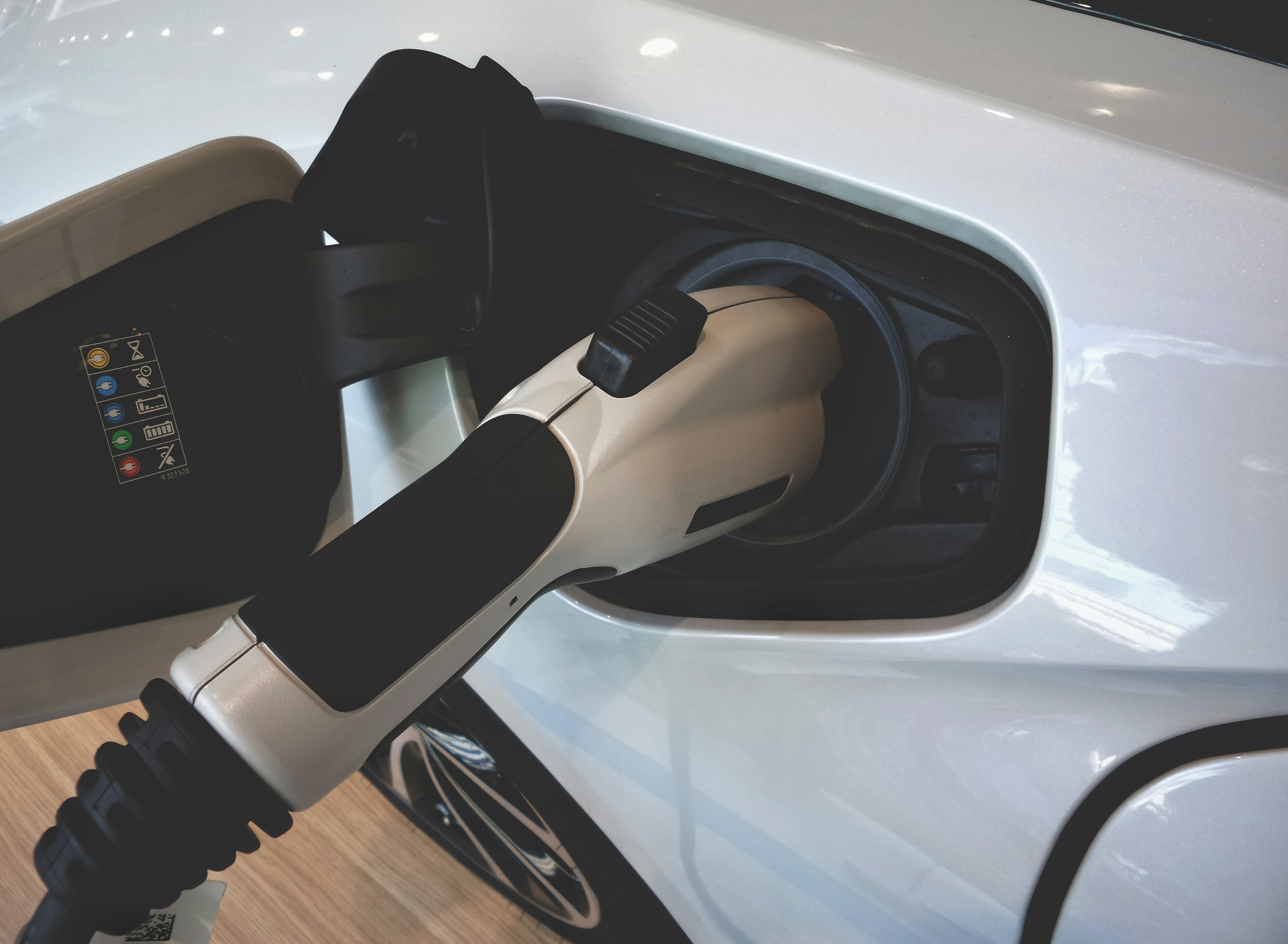
Recyclers in India have collected 2,570.26 metric tonnes of lithium-ion waste batteries from electric vehicles over the past three years, the government informed Parliament on Thursday.
Union Minister of State for Environment Kirti Vardhan Singh shared this information in the Rajya Sabha in response to a question from Congress MP Renuka Chowdhury.

-
 Indian Markets Turning Corner After Two Tough Years, Says Sandeep Tandon
-
 NDTV Profit Ignite 2026: Experts See Opportunity In Equities, Stay Bullish For Long-Term
-
 Buy Right, Sit Tight Does Not Work for Individual Stocks, Says Dinshaw Irani
-
 'Worst Is Behind': Quant MF Sees Market Bottom, Flags 'Extreme Euphoria' In Midcaps
-
 India's Mutual Fund Industry Could Become A $1 Trillion Opportunity, Say Fund Managers
-
 'Foreign Investors Are Baraatis': Raamdeo Agrawal's Take On LTCG Tax
-
 Stay Invested Through Market Cycles: Raamdeo Agrawal at NDTV Profit Ignite
-
 Ramesh Damani Remains Bullish On India For Next 20-30 Years, Sees Bargains Amid Market Weakness
-
 CAS Came After A Long Consultation Process: SEBI Chairman Tuhin Kanta Pandey AT NDTV PROFIT IGNITE
-
 Aim To Cut FPI Onboarding Time From Mth To Five Days: SEBI Chairman Tuhin Kanta Pandey AT NDTV PROFI
However, he did not disclose the total amount of lithium-ion waste batteries generated from EVs.
Also Read | Layoffs Are Rising In Tech, But These Skills Are Helping People Unlock Better Pay
Responding to another question, the minister said the country generated 4,988,672 metric tonnes of electronic waste from 2021 to 2023.
The minister said improper disposal of waste batteries can contaminate soil and water.
To manage waste batteries in an environmentally safe manner, the government introduced the Battery Waste Management Rules in August 2022, he said.
These rules apply to all types of batteries, including EV batteries, portable batteries, automotive batteries and industrial batteries, he said.
They follow the Extended Producer Responsibility principle, requiring battery producers, including importers, to collect, recycle or refurbish waste batteries.
Under EPR, all waste batteries must be collected and recycled or refurbished. Their disposal in landfills or through incineration is prohibited, the minister said.
The rules also require producers to use a minimum percentage of domestically recycled materials in the production of new batteries.
A centralised online EPR portal has been developed for the registration of producers, recyclers and refurbishers. The portal facilitates the exchange of EPR certificates and the filing of returns by producers and recyclers/refurbishers.
Essential Business Intelligence, Sharp Market Insights, Practical Personal Finance Advice, Daily Fuel, Gold and Silver Prices and Latest Stories — On NDTV Profit.