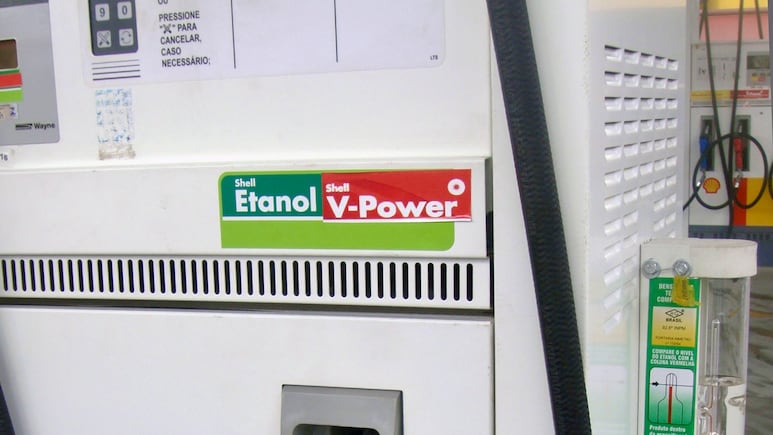
E100 fuel, which consists of nearly pure ethanol, is being explored for use in specially designed vehicles in India. Unlike E20 petrol, which contains 20 per cent ethanol and 80 per cent petrol, E100 requires compatible engines and fuel systems to run.
E100 is produced mainly from plant-based feedstocks such as sugarcane and corn through fermentation, distillation and dehydration. Sugarcane juice is extracted from crushed stalks, while corn is ground and mixed with water to form a mash. Enzymes convert starches into fermentable sugars, which yeast then transforms into ethanol and carbon dioxide over approximately 48-72 hours.
The fermented liquid is heated in distillation columns to separate ethanol from water and other residues, this process produces alcohol with around 95% purity. A further dehydration process, often using molecular sieves, removes the remaining water to achieve 99% or higher ethanol purity. A small amount of denaturant may also be added as per the intended fuel specifications.
Also Read | Layoffs Are Rising In Tech, But These Skills Are Helping People Unlock Better Pay
Which Cars Can Use E100?
E100 is intended for flex-fuel vehicles (FFVs) specifically designed, tested and certified to operate on high-ethanol blends. To handle ethanol blends safely and efficiently, these vehicles use specialized engine materials, ethanol-safe fuel parts, and smart sensors that adjust fuel flow automatically.
Several flex-fuel concepts and prototypes have been showcased in India, including the Maruti Suzuki WagonR Flex-Fuel and Fronx Flex-Fuel, Tata Punch Flex-Fuel, Toyota Innova Hycross FFV, Hyundai Creta Flex-Fuel and Kia Syros Flex-Fuel.
However, their demonstration or unveiling does not automatically mean they are commercially available or ready to run on the road and approved for E100 use. Buyers should check the manufacturer's specifications for confirmed compatibility.
Why E20 Cars Cannot Run on E100
Standard petrol cars designed for E20 or lower blends cannot safely use E100 because ethanol behaves differently from petrol. It absorbs moisture and can damage incompatible rubber seals, plastics and metal components. Without ethanol-resistant fuel lines, gaskets, pumps and injectors, prolonged exposure may cause deterioration, leaks and fuel-system failures.
Because ethanol contains less energy per liter than petrol, it requires different fuel-delivery settings. Although it has a high octane rating, an E100-compatible engine needs suitable air-fuel calibration, electronic engine management and, in some cases, specialised cold-start systems and engine-design changes.
An octane rating shows how stable a fuel is under pressure. High-octane fuel burns smoothly, preventing early ignition that can damage the engine.
What Should Owners Know?
E100 should only be used in vehicles approved by their manufacturers for the fuel. E20 compatibility does not imply E100 compatibility.
ALSO READ: From E85 To E100: Govt Amends Rules To Make Room For 100% Ethanol Vehicles
Before refuelling with higher ethanol blends, owners should verify the vehicle's certified fuel specifications and follow official manufacturer guidance.
Essential Business Intelligence, Sharp Market Insights, Practical Personal Finance Advice, Daily Fuel, Gold and Silver Prices and Latest Stories — On NDTV Profit.