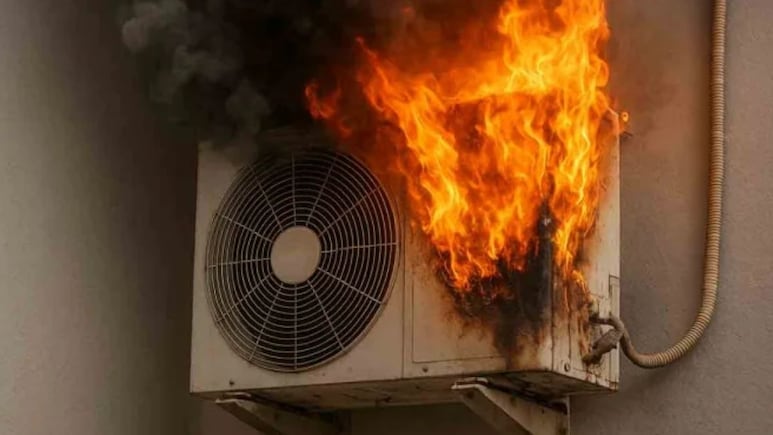
A fire at a house in South Delhi's Hauz Khas claimed the life of 80-year-old retired IAS officer Dhanender Kumar while his son was injured in the incident. Police said the blaze may have started after an explosion in the indoor unit of an air-conditioner installed inside the house. Kumar was taken to the AIIMS Trauma Centre but later died due to smoke inhalation, officials said.
The Hauz Khas incident is the latest in a string of AC-related fire cases reported across Delhi-NCR during the summer season. On May 26, a split AC allegedly exploded inside a high-rise apartment in Ghaziabad's Indirapuram area, sparking a fire on the 15th floor of the building. Earlier this month, nine people died in a massive blaze at a building in Delhi's Vivek Vihar area. Investigators had suspected an AC blast and short circuit behind that fire as well.
ALSO READ: CCI's First Chairman Dhanendra Kumar Dies In Fire At South Delhi Home: AC Blast Suspected
Also Read | Layoffs Are Rising In Tech, But These Skills Are Helping People Unlock Better Pay
Why AC Fires Rise During Summer
Extreme heat and prolonged AC usage are increasing pressure on cooling systems and household electrical networks. In many north Indian cities, temperatures are crossing 45 degrees Celsius which have forced air-conditioners to run continuously for long hours.
This can overheat compressors, capacitors and internal circuits, especially in older AC units that are not serviced regularly.
Electrical infrastructure inside homes is also becoming a concern. Many older buildings were not designed for the heavy power load created by modern appliances. Loose wiring and overloaded circuits can cause spark or short circuits.
Lack Of Servicing
Technicians say dust buildup inside AC units can block airflow and trap heat. Problems such as gas leaks, damaged insulation and worn-out capacitors often remain unnoticed because many households skip annual servicing.
In several cases, residents had notices burning smell, unusual noises or weak cooling before the AC units caught fire, News18 reported. Even continuous usage of ACs during summers especially during heatwave conditions and sudden voltage fluctuations can also damage compressors.
Precautions To Keep In Mind
Remember to always to air-conditioners serviced before summer months.
Homes with ageing wiring should go through proper inspection. If there are faulty wires, then they should be removed immediately instead of temporary fixes.
Residents are also advised not to ignore warning signs such as repeated tripping, sparks, burning smells or strange sounds coming from AC units.
Smoke detectors, small fire extinguishers and clear emergency exits can help reduce casualties during residential fires. Staircases, corridors and terrace exits should never remain blocked during emergencies.
ALSO READ: Amazon 2026 Sale: E-Commerce Platform Slashes AC Prices As Seasonal Demand Spikes
Essential Business Intelligence, Sharp Market Insights, Practical Personal Finance Advice, Daily Fuel, Gold and Silver Prices and Latest Stories — On NDTV Profit.