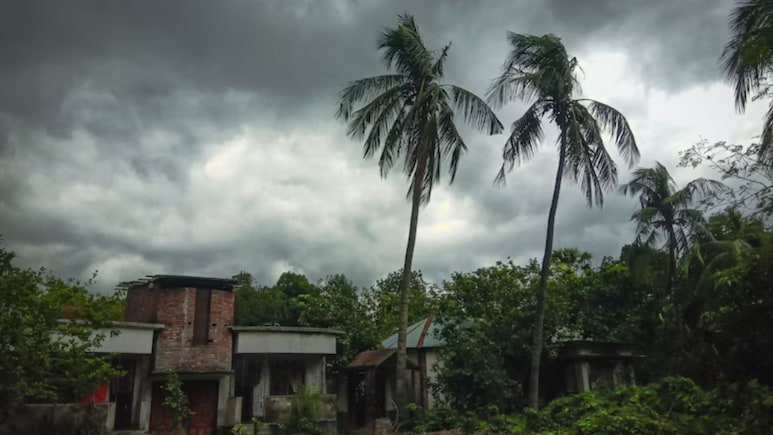
Long before Cyclone Murasu became the name of a storm over the Bay of Bengal, it belonged to the sound of a drum. In Tamil, ‘Murasu' refers to a traditional percussion instrument that has been part of the region's cultural history for generations. India proposed the name as part of the regional cyclone-naming system, giving the storm a name rooted in Tamil heritage.
Cyclones over the North Indian Ocean are named through a system coordinated by the World Meteorological Organization (WMO) and the United Nations Economic and Social Commission for Asia and the Pacific (UNESCAP). Countries in the region submit lists of names, which are assigned to storms in a predetermined sequence.

-
 Indian Markets Turning Corner After Two Tough Years, Says Sandeep Tandon
-
 NDTV Profit Ignite 2026: Experts See Opportunity In Equities, Stay Bullish For Long-Term
-
 Buy Right, Sit Tight Does Not Work for Individual Stocks, Says Dinshaw Irani
-
 'Worst Is Behind': Quant MF Sees Market Bottom, Flags 'Extreme Euphoria' In Midcaps
-
 India's Mutual Fund Industry Could Become A $1 Trillion Opportunity, Say Fund Managers
-
 'Foreign Investors Are Baraatis': Raamdeo Agrawal's Take On LTCG Tax
-
 Stay Invested Through Market Cycles: Raamdeo Agrawal at NDTV Profit Ignite
-
 Ramesh Damani Remains Bullish On India For Next 20-30 Years, Sees Bargains Amid Market Weakness
-
 CAS Came After A Long Consultation Process: SEBI Chairman Tuhin Kanta Pandey AT NDTV PROFIT IGNITE
-
 Aim To Cut FPI Onboarding Time From Mth To Five Days: SEBI Chairman Tuhin Kanta Pandey AT NDTV PROFI
What Does ‘Murasu' Mean?
The Tamil word ‘Murasu' (முரசு) translates to ‘drum', a musical instrument, and refers to a traditional percussion instrument historically used across South India for public announcements and communication.
Also Read | Layoffs Are Rising In Tech, But These Skills Are Helping People Unlock Better Pay
According to a report by, the instrument played an important role in ancient societies, where drums were used to convey royal proclamations, issue village warnings and communicate important information across villages and kingdoms. The instrument was also used to alert people during emergencies and significant public events.
India contributed the name ‘Murasu' to the regional list of tropical cyclone names maintained under the framework of the World Meteorological Organisation (WMO) and the United Nations Economic and Social Commission for Asia and the Pacific (ESCAP).
How Are Cyclones Named?
Cyclones are not named randomly. Their names are selected through an organised international system coordinated by the WMO to ensure clear communication and avoid confusion during weather emergencies.
According to the WMO, naming tropical cyclones is one of the fastest ways to communicate warnings and improve public awareness and preparedness. It also helps meteorologists, governments and disaster management agencies identify and track weather systems, particularly when multiple storms are active simultaneously.
13 Countries Participate in Cyclone Naming
The Regional Specialised Meteorological Centre (RSMC), New Delhi, under the India Meteorological Department (IMD), is responsible for naming tropical cyclones forming over the Bay of Bengal and the Arabian Sea once they reach the prescribed intensity.
A panel of 13 countries contributes names to the regional list of tropical cyclones. These include Bangladesh, India, Iran, Maldives, Myanmar, Oman, Pakistan, Qatar, Saudi Arabia, Sri Lanka, Thailand, the United Arab Emirates and Yemen.
India's contributions include names such as Gati, Tej, Murasu, Aag, Vyom, Jhar, Probaho, Neer, Prabhanjan, Ghurni, Ambud, Jaladhi and Vega.
Why Are Cyclones Given Names?
The naming system makes cyclone identification easier and helps authorities communicate warnings effectively. Names are selected from predetermined lists and are generally used only once, unlike some other regional naming systems where procedures may differ.
ALSO READ: Mumbai Air Quality Today: Visibility Drops, AQI Remains Unhealthy; Smog Blankets Parts Of City
The system plays an important role in improving public awareness, coordinating emergency responses and ensuring timely communication during cyclonic weather events.
Essential Business Intelligence, Sharp Market Insights, Practical Personal Finance Advice, Daily Fuel, Gold and Silver Prices and Latest Stories — On NDTV Profit.