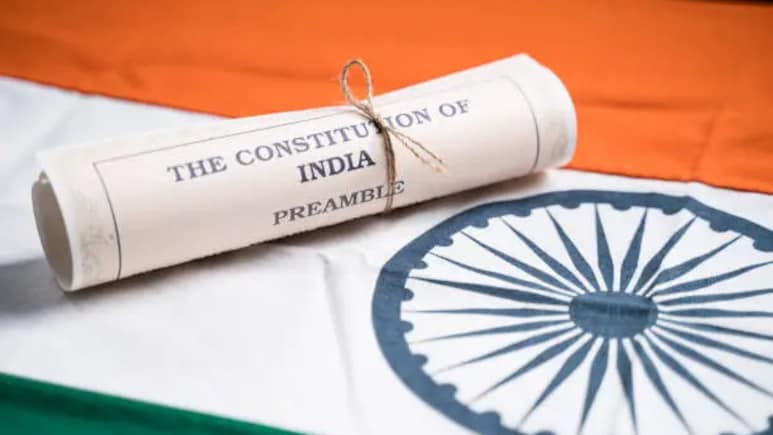
India celebrates Constitution Day, also known as Samvidhan Diwas, on November 26 every year to mark the adoption of the Constitution by the Constituent Assembly in 1949. The Constitution subsequently came into effect on January 26, 1950.
One of its most important features is the guarantee of Fundamental Rights, enshrined in Part III (Articles 12–35). These rights protect individual liberty, equality, dignity and religious and cultural freedom. They also provide legal safeguards against arbitrary actions by the State.
ALSO READ: Top Headlines For Your School Assembly for November 26: India To Observe Constitution Day
Also Read | Layoffs Are Rising In Tech, But These Skills Are Helping People Unlock Better Pay
There are six broad categories of Fundamental Rights that every Indian citizen should know.
1. Right to Equality (Articles 14–18)
The Right to Equality ensures equal treatment under the law and prohibits discrimination. Article 14 guarantees equality before the law and equal protection of laws. Article 15 prohibits discrimination on grounds of religion, race, caste, sex or place of birth, while Article 16 guarantees equal opportunity in public employment.
Article 17 abolishes untouchability, and Article 18 prohibits titles, except military and academic distinctions. The Constitution also permits certain affirmative-action measures to address historical disadvantages.
2. Right to Freedom (Articles 19–22)
These provisions protect individual liberty and personal freedoms. Article 19 guarantees six freedoms, including speech and expression, peaceful assembly, forming associations, movement, residence and choosing a profession.
Article 20 protects individuals against retrospective criminal punishment, double jeopardy and compelled self-incrimination. Article 21 safeguards life and personal liberty, while Article 21A guarantees free and compulsory education for children aged six to 14.
Article 22 provides safeguards against arbitrary arrest and detention, including the right to legal representation and production before a magistrate within 24 hours, subject to constitutional exceptions.
3. Right Against Exploitation (Articles 23–24)
This category prohibits human trafficking, forced labour and begar, or compulsory unpaid labour. Article 23 makes such practices punishable under law. Article 24 prohibits the employment of children below 14 in factories, mines and other hazardous occupations.
4. Right to Freedom of Religion (Articles 25–28)
India's Constitution protects religious freedom. Article 25 guarantees freedom of conscience and the right to profess, practise and propagate religion, subject to public order, morality and health.
Article 26 allows religious denominations to manage religious affairs, while Article 27 protects people from being compelled to pay taxes specifically meant to promote a particular religion. Article 28 regulates religious instruction in educational institutions.
5. Cultural and Educational Rights (Articles 29–30)
These provisions protect India's linguistic and cultural diversity. Article 29 allows communities with distinct languages, scripts or cultures to conserve their identity. It also prohibits denial of admission to State-maintained or State-aided educational institutions solely on specified discriminatory grounds.
Article 30 gives religious and linguistic minorities the right to establish and administer educational institutions of their choice.
6. Right to Constitutional Remedies (Article 32)
Article 32 allows individuals to approach the Supreme Court for the enforcement of Fundamental Rights. The court can issue five types of writs: Habeas Corpus, Mandamus, Prohibition, Certiorari and Quo Warranto.
Dr BR Ambedkar famously described Article 32 as the "heart and soul" of the Constitution because it provides a mechanism to protect these rights.
Why Are Fundamental Rights Important?
Fundamental Rights form the foundation of Indian democracy. They protect individual freedoms, promote equality, prevent exploitation and safeguard India's diversity. On Constitution Day, understanding these provisions is a reminder that democracy is strengthened not only by the Constitution but also by citizens knowing and exercising their rights.
ALSO READ: Internet Access A Fundamental Right For Every Individual, Including Children, Says Supreme Court
Essential Business Intelligence, Sharp Market Insights, Practical Personal Finance Advice, Daily Fuel, Gold and Silver Prices, Watch Business News Live and Latest Stories — On NDTV Profit.