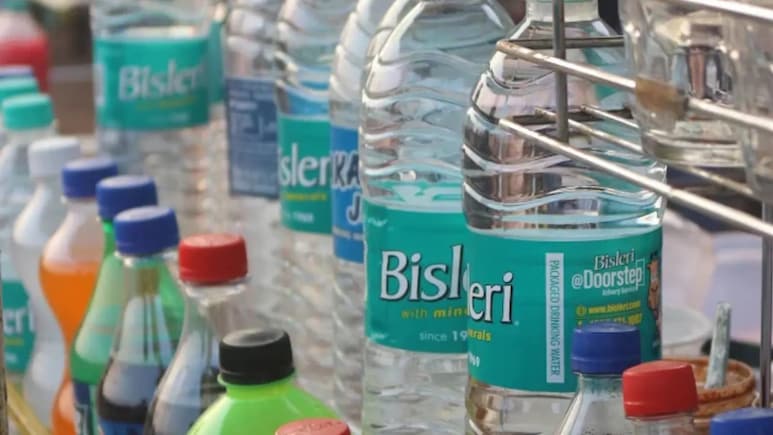
India's food safety regulator, the Food Safety and Standards Authority of India (FSSAI), has sanctioned prosecution against Bisleri International Pvt Ltd, after a regulatory sample of its packaged drinking water was declared unsafe in laboratory tests.
The announcement was made on November 22, FSSAI said that the regulatory sample failed to meet prescribed bromate limits during the initial analysis. A subsequent examination by a referral food laboratory also declared the sample unsafe after detecting polynuclear aromatic hydrocarbons (PAHs).
The action has been initiated under the Food Safety and Standards Act, 2006.
Also Read | Layoffs Are Rising In Tech, But These Skills Are Helping People Unlock Better Pay
ALSO READ: FSSAI Finds Sample Of Bisleri Packaged Drinking Water 'Unsafe'
…Recent inspections and compliance verifications have led to immediate enforcement actions against various FBOs. #FSSAINotice #FSSAIAction 2(2) https://t.co/KNtqHyIED0
— FSSAI (@fssaiindia) November 22, 2026
What Did FSSAI Find In Bisleri's Water?
According to the FSSAI, a regulatory sample, categorised as "Packaged Drinking Water (other than Mineral Water)" was collected from the premises of Bisleri International for analysis.
The initial laboratory examination found that the sample did not comply with the prescribed limits for bromate. It was then declared unsafe under the Food Safety and Standards Act, 2006.
Bromate is a chemical compound that can form during water treatment, particularly when ozone is used for disinfection in the presence of bromide. Long-term exposure to elevated levels of bromate has been associated with health concerns, including potential kidney damage and cancer risks.
Referral Laboratory Also Declares Sample Unsafe
Following the initial findings, Bisleri exercised its right to appeal against the laboratory assessment. The sample was then forwarded to a Referral Food Laboratory for further examination.
The second laboratory examination identified polynuclear aromatic hydrocarbons, commonly known as PAHs. These are a group of chemical compounds containing multiple fused aromatic rings.
PAHs are generally formed during the incomplete combustion of organic materials, including coal, oil, wood and other substances. They can enter the environment through industrial emissions, contaminated soil, water and other pollution sources.
Certain compounds belonging to this group are recognised carcinogens and can pose health risks depending on the level and duration of exposure.
Prosecution Sanctioned Against Bisleri
Following the laboratory findings, FSSAI sanctioned the launch of prosecution against Bisleri International Pvt Ltd under the Food Safety and Standards Act, 2006. The regulator stated that the laboratory findings established violations relating to unsafe food under the Act.
The regulatory actions however does not mean that the company has already been convicted. The prosecution process will determine legal liability in accordance with the law.
Has Bisleri Issued A Response?
As per the current status, a detailed response from Bisleri International was not available in reports published following FSSAI's announcement of the sanction.
The findings also do not establish that every Bisleri product or batch is unsafe, as the regulatory action concerns a specific sample.
The development comes amid a wider enforcement drive by FSSAI, which has announced separate prosecution, suspension and product recall actions against several food businesses over alleged safety and regulatory violations.
ALSO READ: Tukaram Mundhe-Led Maharashtra FDA Targets Steroids In Supplements, Seizes Stock Worth Rs 1.38 Crore
Essential Business Intelligence, Sharp Market Insights, Practical Personal Finance Advice, Daily Fuel, Gold and Silver Prices, Watch Business News Live and Latest Stories — On NDTV Profit.