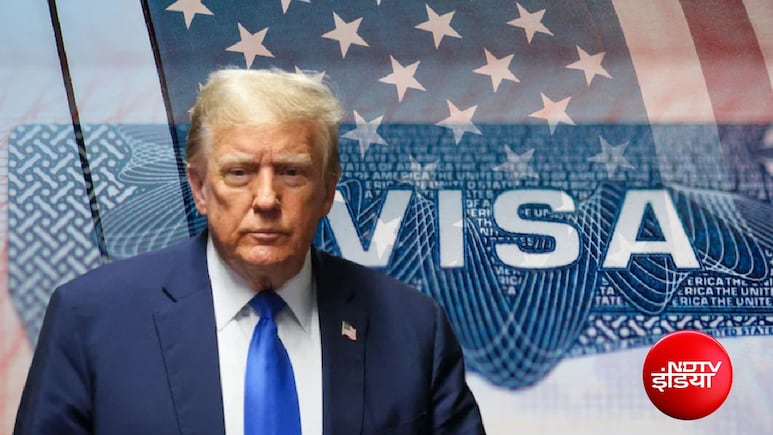
A US federal court has struck down a Trump administration rule seeking to limit the duration of stay for international students, exchange visitors and foreign journalists, providing relief to thousands of foreign nationals pursuing education and professional opportunities in the United States. US District Judge F. Dennis Saylor IV, presiding over a federal court in Massachusetts, invalidated the Department of Homeland Security (DHS) regulation on Monday, November 16, ruling that the proposed restrictions were not legally justified.
The decision means that international students, including those from India, can continue to remain in the United States for the duration of their authorised academic programmes, provided they maintain their immigration status.
The regulation, published in July 2026, sought to replace the longstanding "duration of status" system with fixed periods of admission. Under the proposed framework, international students would generally have been permitted to stay for a maximum of four years, with those requiring additional time needing approval from federal immigration authorities.
Also Read | Layoffs Are Rising In Tech, But These Skills Are Helping People Unlock Better Pay
ALSO READ | More H-1B Visa Curbs? US Moves To Tighten Rules For Firms Sponsoring Foreign Workers
The restrictions would have affected F-1 visa holders pursuing academic courses, J-1 exchange visitors participating in educational and research programmes, and I-visa holders working as foreign media representatives.
In his ruling, Judge Saylor found that the DHS regulation was "arbitrary, capricious, an abuse of discretion, and otherwise not in accordance with law."
The court also questioned whether the department had sufficient legal authority to introduce restrictions that could interfere with the academic activities of international students.
"Put bluntly, DHS is seeking to prevent or discourage the very activity — providing educational opportunities for foreign students in the United States — that Congress sought to permit and encourage," the judge observed.
"The statute simply does not grant DHS such broad and open-ended authority to undermine the F-1 visa program," he added.
ALSO READ | Canada's New Immigration Plan Will Allow Only 1.5 Lakh International Students Annually Until 2029
The proposed changes had raised concerns among universities and international education organisations, particularly because students enrolled in lengthy academic programmes could have faced additional immigration procedures before completing their studies.
The regulation also proposed reducing the grace period available to certain international students after completing their academic programmes or post-completion Optional Practical Training (OPT) from 60 days to 30 days.
Foreign journalists would have faced tighter restrictions, with their permitted stay generally limited to 240 days. Chinese journalists would have been subject to a shorter 90-day admission period.
The legal challenge was filed in August by a coalition of educational institutions, academic organisations and labour unions. Among the petitioners were NAFSA: Association of International Educators, the Presidents' Alliance on Higher Education and Immigration, and the American Federation of Teachers.
The organisations argued that the revised admission framework would create uncertainty for universities and students while imposing additional administrative requirements on those pursuing legitimate educational activities.
In September, the court had temporarily prevented the regulation from taking effect while the case was being heard. Monday's judgment went further by setting aside the rule in its entirety.
The court concluded that DHS had failed to adequately justify the policy's costs and benefits or properly consider less restrictive alternatives, including improvements to existing immigration monitoring systems.
Essential Business Intelligence, Sharp Market Insights, Practical Personal Finance Advice, Daily Fuel, Gold and Silver Prices and Latest Stories — On NDTV Profit.