- Reserve Bank of India likely to keep policy rates unchanged this week
- Higher oil prices and weaker rupee complicate RBI's inflation outlook
- RBI may raise crude oil price assumption to $95 per barrel in forecasts
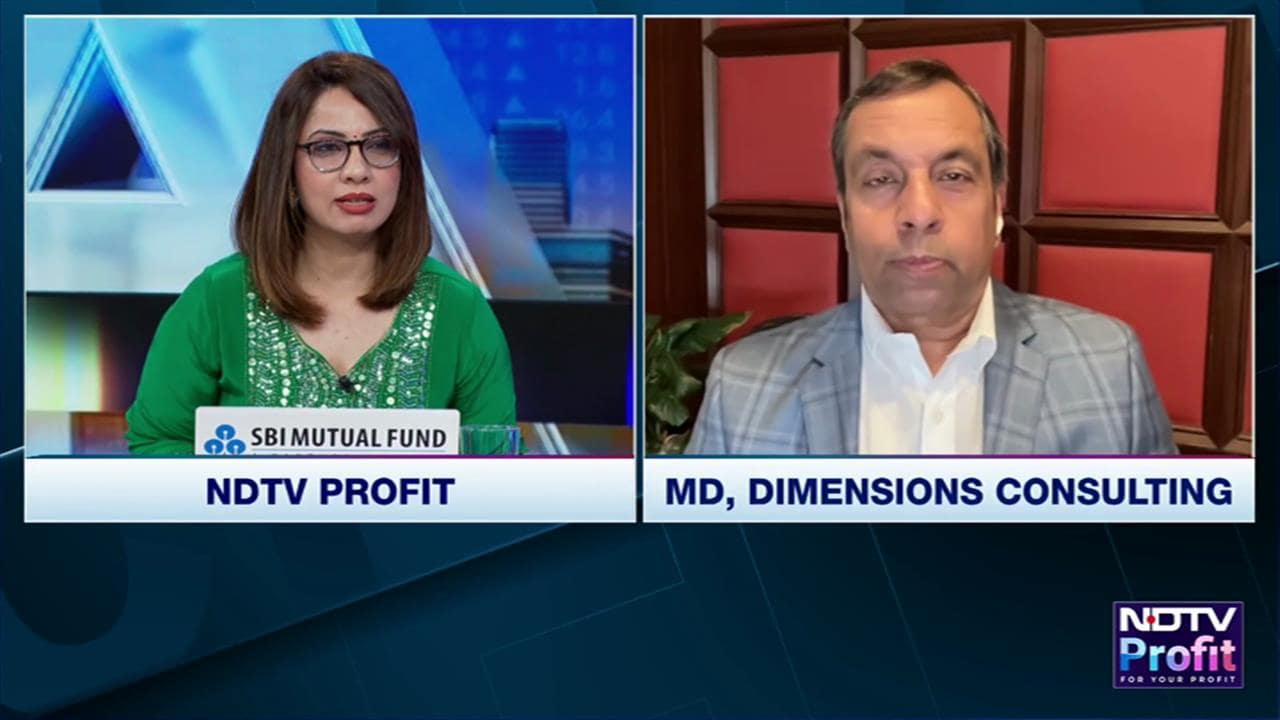
The Reserve Bank of India is widely expected to keep policy rates unchanged this week, but HSBC's Chief India Economist and Macro Strategist Pranjul Bhandari believes the central bank could strike a more hawkish tone as higher oil prices and a weaker rupee complicate the inflation outlook. According to her, the RBI's updated forecasts may provide the clearest indication of how policymakers are assessing the fallout from the ongoing energy shock.
At its previous policy review, the central bank had assumed crude oil would average around $85 per barrel in its baseline projections. It had also provided an alternative scenario where oil averaged $95 per barrel. Bhandari expects that higher oil assumption to now become the RBI's base case. “If $95 becomes the base case, inflation projections will rise immediately,” she said.
The RBI had earlier projected consumer inflation at 4.6%. Under the higher crude oil scenario, inflation could move closer to 5%, she noted.
Also Read | Layoffs Are Rising In Tech, But These Skills Are Helping People Unlock Better Pay
Hawkish Tone, But No Immediate Rate Hike
While a higher inflation forecast could nudge the RBI toward a more cautious stance, HSBC does not expect an immediate policy tightening cycle. “Our base case is still that there will be no formal repo rate hike,” Bhandari said. However, she expects the central bank's communication to become incrementally more hawkish than in recent meetings.
The challenge for policymakers stems from a supply shock. Rising energy prices are pushing inflation higher, while economic growth is expected to soften in the months ahead. “It's the hardest situation for a central bank,” Bhandari said. “Inflation is rising, which argues for higher rates, while growth is slowing, which argues against rate hikes.”
HSBC currently expects only a gradual policy response, pencilling in around two rate hikes beginning in the fourth quarter of 2026 rather than an aggressive tightening cycle.
Bhandari warned that the twin pressures of elevated oil prices and a potential El Niño weather event could worsen multiple economic indicators, including growth, inflation, the fiscal deficit and the current account deficit. For markets, the key focus this week will be whether the RBI chooses to prioritise inflation risks or growing concerns around economic activity.
ALSO READ: RBI MPC Meet: Rates Likely To Remain Unchanged Amid Middle East Crisis
Essential Business Intelligence, Sharp Market Insights, Practical Personal Finance Advice, Daily Fuel, Gold and Silver Prices and Latest Stories — On NDTV Profit.