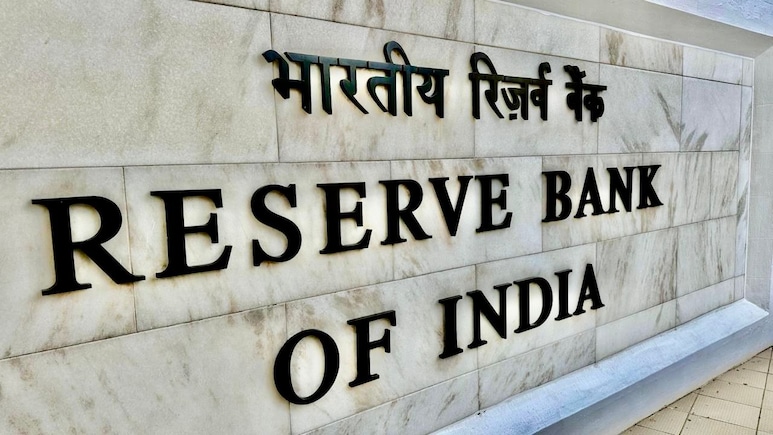
India's economy is expected to expand 6.9% in FY27 despite rising risks from the conflict in West Asia, with domestic demand and investment activity continuing to support growth, the Reserve Bank of India said in its annual report on Friday.
The central bank said India remained resilient through FY26 and continued to be one of the fastest-growing major economies. Real gross domestic product grew 7.6% in FY26, supported by private consumption and investment, while growth is projected at 6.9% in FY27. The forecast is higher than the International Monetary Fund's projection of 6.5% for the same period.
The assessment comes as policymakers monitor the economic impact of the conflict in West Asia, which has disrupted supply chains, increased volatility in financial markets and pushed up energy prices.
Domestic Support
The RBI said elevated energy and commodity prices, disruptions in the Strait of Hormuz and volatility in global financial markets could weigh on economic activity in FY27.
At the same time, it said several domestic factors should help cushion the impact. These include sustained momentum in the services sector, higher manufacturing capacity utilisation, healthy balance sheets of financial institutions and companies, and government measures aimed at expanding domestic manufacturing.
"Taking all these factors into consideration and on the assumption that the adverse impact of the conflict would remain contained in the near term, real GDP growth for 2026-27 is projected at 6.9 per cent," the RBI said.
The central bank expects growth to remain broadly stable through the year, with quarterly growth projected at 6.8% in the first quarter, 6.7% in the second quarter, 7.0% in the third quarter and 7.2% in the final quarter.
The RBI said risks to the outlook remain tilted to the downside.
"Further escalation of the conflict, its continuation over a wider geographical spread and uncertainty regarding the damage to the energy infrastructure, apart from weather related events, pose downside risks to the domestic growth outlook," it said.
ALSO READ: RBI's Balance Sheet Expands 20.6% To Rs 91.97 Lakh Crore In FY26
Conflict Concerns
Governor Sanjay Malhotra said the conflict could affect India through several channels, including higher energy costs, supply-chain disruptions, weaker global demand and tighter financial conditions.
"Elevated crude oil prices could increase imported inflation and widen the current account deficit," Malhotra said in his monetary policy statement in April.
He said disruptions in energy markets and other commodities could affect industry, agriculture and services, while heightened uncertainty could weigh on consumption and investment decisions.
The governor also warned that weaker global growth could reduce external demand and remittance flows, while adverse spillovers from global financial markets could raise borrowing costs.
Oil markets have remained volatile during the conflict. Brent crude has traded around $93-$96 a barrel after rising to nearly $120 earlier in the crisis. Prices initially surged as concerns grew over disruptions through the Strait of Hormuz, a key route for global energy shipments. Prices later retreated amid ceasefire discussions and negotiations, although renewed military action periodically revived fears of escalation.
ALSO READ: RBI Expands Digital Rupee Pilots, Begins Tokenised Certificate Of Deposit Trial
Resilience Amid Risks
Despite the external challenges, the RBI said the economy entered the current period of uncertainty from a position of strength.
"The fundamentals of the Indian economy are on a stronger footing, providing it with greater resilience to withstand shocks now than in the past," Malhotra said.
The central bank pointed to strong consumption, continuing investment activity, robust services exports, healthy banking sector balance sheets and government infrastructure spending as factors supporting growth.
The RBI also said recent trade agreements and measures to protect supply chains could help limit the impact on exports, even as merchandise shipments face pressure from higher freight and insurance costs.
While the outlook remains constructive, the central bank said the trajectory of growth and inflation will depend significantly on developments in West Asia, energy prices and the duration of disruptions to global trade and supply chains.
Essential Business Intelligence, Continuous LIVE TV, Sharp Market Insights, Practical Personal Finance Advice and Latest Stories — On NDTV Profit.