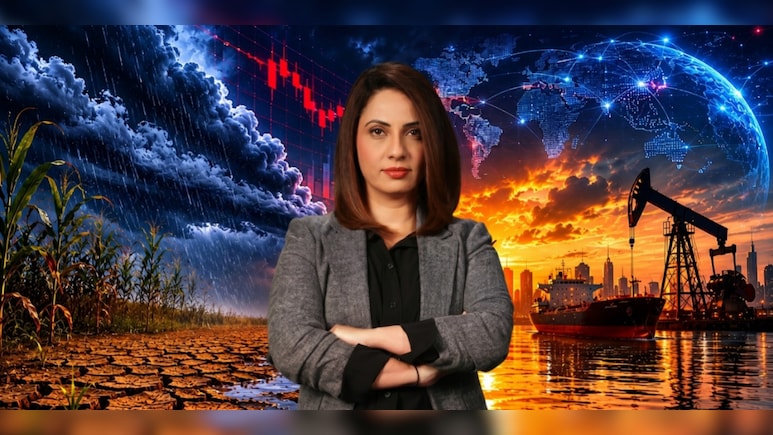
- India faces a below-normal monsoon forecast at 90% of the Long Period Average
- El Niño likelihood rises to 92%, threatening further monsoon deficits in 2026
- Heatwave boosts AC demand, but sales fall short due to weak consumer confidence
There is a particular kind of frustration that comes when the rest of the world is celebrating and you are still doing the sums. That is precisely where India finds itself this week.
US President Trump has declared a peace deal with Iran "largely negotiated", promising that an agreement to reopen the Strait of Hormuz is imminent. Global markets responded with visible relief. In Mumbai, it barely registered — because the more pressing threat is not geopolitical. It is meteorological.
The IMD has issued a sharply downgraded second monsoon forecast, now projecting seasonal rainfall at just 90% of the Long Period Average — firmly below normal, and a step down from its April estimate of 92%. Climate models put the probability of El Niño prevailing this season at 92%, with the phenomenon expected to intensify as the months progress. For context, India's last below-normal monsoon was in 2023, when rainfall came in at 94% of the LPA. The 2026 deficit is now tracking deeper.
Also Read | Layoffs Are Rising In Tech, But These Skills Are Helping People Unlock Better Pay
What a poor monsoon really means is a compression of rural income, softer kharif output and a dampening of the consumption cycle that India's domestic economy depends on. Two-wheeler sales, tractor registrations and FMCG volumes - the transmission effects are well documented, and they arrive fast.
Which brings us to an uncomfortable data point closer to home. India is baking — cities across the north and central belt have been recording well-above-normal temperatures for weeks. By conventional logic, this should be a golden quarter for the consumer durables sector. The heat is doing its part. The wallets are not. NDTV Profit's reporting found that despite the blazing temperatures, AC sales have fallen short of industry expectations for the season. The explanation is less about the weather and more about purchasing confidence — which is precisely what a deteriorating monsoon outlook tends to erode. The cruel irony is almost poetic: the same scorching summer that should be driving AC demand is the symptom of the very climatic disruption that is simultaneously threatening the rains, squeezing rural incomes and pressuring the urban consumers who might have bought those ACs.
Meanwhile, the Hormuz relief, while real, is incomplete. Roughly 33 ships passed through the strait in a recent 24-hour window, against a historical norm closer to 150 a day. A trickle, not a tide.
And then there is the third thread — one worth watching closely. Uber burned through its entire 2026 AI budget by mid-April. The culprit: explosive adoption of AI coding tools, with usage surging from 32% to 84% of its engineering base in just a month. The adoption numbers were extraordinary. The returns, by the company's own admission, were not. COO Andrew Macdonald said publicly that the link between rising token consumption and useful consumer-facing features simply is not there yet. That a company of Uber's scale — one that actively incentivised AI adoption — is now asking whether any of this was worth it is a meaningful crack in the AI supercycle narrative. It may be a one-off. It may be an opening chapter.
Three stories, three different geographies, one common thread: headline-level relief does not always translate into ground-level improvement. The Hormuz deal is real, but India's most consequential variable right now is a monsoon that keeps getting worse. Demand is muted. The rupee is fragile. And even the AI boom is discovering that revolutions come with quarterly reviews.
The dots are connected. The picture they form warrants more caution than the current mood implies.
This Week On Disruptors
I speak to the dynamic duo of Sameer Seth and Yash Bhanage, founders of Hunger Inc.
With five iconic brands on their plate, including Bombay Canteen, O Pedro and Bombay Sweet Shop, the duo has set out to redefine Indian fusion food and dining culture.
An interesting anecdote they shared was Yash's experience as a young waiter at a hotel restaurant, where a brash customer almost hit him over a burnt French fry. He survived the experience and has ensured that boorish guests are shown the door at his restaurants.
Watch the full interaction here
Essential Business Intelligence, Sharp Market Insights, Practical Personal Finance Advice, Daily Fuel, Gold and Silver Prices and Latest Stories — On NDTV Profit.