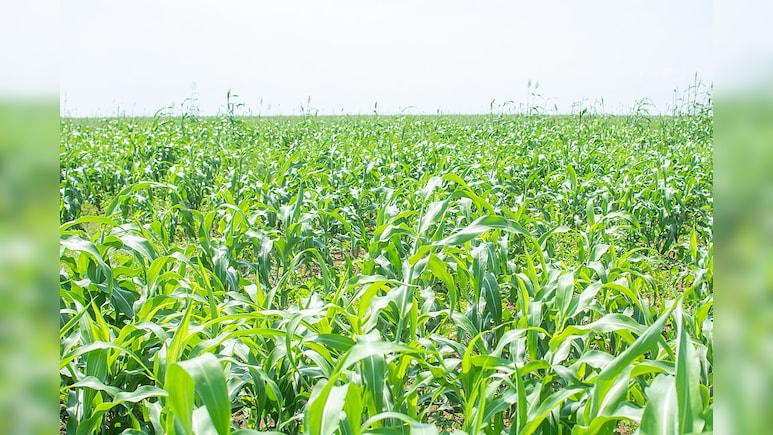
Due to a weak monsoon, India's kharif sowing is running behind schedule, with early July acreage 6% below average and 21% lower than the same period last year. The country's crops have been negatively impacted by the slow monsoon advance, which has resulted in a large deficit in planted area.
According to Agriculture Ministry, as cited by Moneycontrol, the total area planted with kharif crops as of July 5 was 350.85 lakh hectares, down from 442.80 lakh hectares during the same period the previous year. Planting has not yet recovered from the early-season rainfall shortfall, as seen by the present sowing level being below the typical area of 373.31 lakh hectares.
Oilseeds have seen the biggest shortfall, with acreage falling to 66.31 lakh hectares, significantly less than 109.27 lakh hectares the previous year and less than the typical size of 83.46 lakh hectares.
Also Read | Layoffs Are Rising In Tech, But These Skills Are Helping People Unlock Better Pay
ALSO READ: Flights Impacted: IndiGo, Akasa Air Issue Advisory As Heavy Rains Lash Mumbai
There was still strain on cotton sowing. The amount of land planted to cotton was 63.18 lakh hectares, which is less than the typical area of 76.12 lakh hectares and 82 lakh hectares last year. About 60.24 lakh hectares of rice were planted, up from 69.30 lakh hectares the previous year and a typical size of 66.57 lakh hectares.
A widespread lack of rainfall coincides with the planting weakness. Up until July 5, rainfall was 24% below average, with 44% of subdivisions receiving normal rainfall and 52% experiencing a shortage, the report said.
Reservoir storage has also been impacted by the lack of rainfall. Live storage in 166 significant reservoirs was 47.725 billion cubic meters, or 1.4% below average, according to the Central Water Commission's reservoir storage statement dated July 2.
Pulses provided some respite among crops. Although it was still less than last year's 47.49 lakh hectares, the total acreage of pulses was 37.15 lakh hectares, slightly more than the typical area of 36.73 lakh hectares.
Although acreage was still below last year's level, coarse cereals were also above average, helped along by bajra and maize.
The other bright areas were sugarcane and jute. The sugarcane acreage was 57.58 lakh hectares, which was more than the usual area of 55.22 lakh hectares and the previous year's 56.72 lakh hectares. The acreage of jute and mesta was also slightly higher than the average and last year.
ALSO READ: 'Why I Love Mumbaikars': Radhika Gupta Praises Mumbai's 'Professionalism, Grit' Amid Heavy Rains
Essential Business Intelligence, Sharp Market Insights, Practical Personal Finance Advice, Daily Fuel, Gold and Silver Prices and Latest Stories — On NDTV Profit.