- The government will co-invest with VCs in semiconductor design startups under ISM 2.0
- ISM 2.0 has a Rs 1.27 lakh crore outlay covering design, materials, equipment, and skills
- Grants alone are insufficient; patient capital is needed for semiconductor startup growth
The Centre's decision to co-invest alongside venture capital firms in semiconductor design startups under the upcoming India Semiconductor Mission (ISM) 2.0 is aimed at ensuring promising Indian chip companies scale independently instead of being snapped up by global technology giants, Electronics & IT Secretary S Krishnan told NDTV Profit.
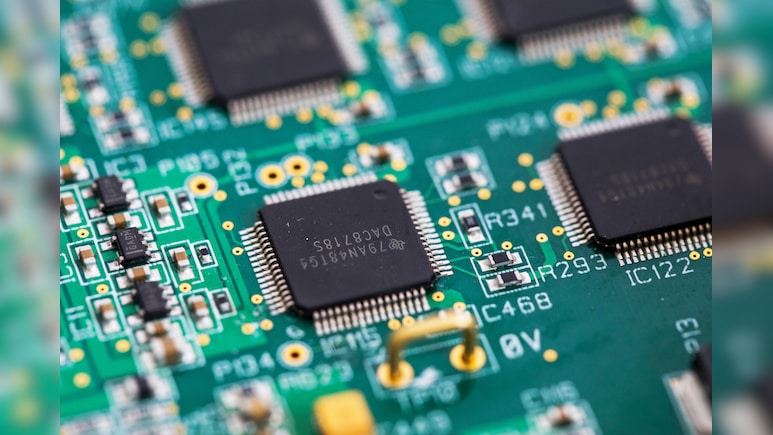
The Cabinet recently approved ISM 2.0 with a significantly expanded outlay of around Rs 1.27 lakh crore, broadening the government's semiconductor push beyond fabrication units to encompass chip design, materials, equipment, skill development and the wider ecosystem.
One of the biggest departures from the first phase of the mission is a proposed co-investment framework under which the government will match investments made by venture capital firms in semiconductor design startups.
Also Read | Layoffs Are Rising In Tech, But These Skills Are Helping People Unlock Better Pay
Explaining the rationale, Krishnan said the government realised that grants alone would not be sufficient for semiconductor startups, which typically require significantly larger pools of patient capital before commercialisation.
ALSO READ: Semicon 2.0 To Back Chip Startups Through VC Co-Investment Model, Says ISM CEO
"We need to provide a larger volume of support, not necessarily as a grant or subsidy. We need to crowd in more investable resources for these companies," he said.
According to Krishnan, many Indian chip design startups possess strong intellectual property but struggle to raise growth capital, often forcing them to sell themselves to multinational semiconductor companies before scaling into global businesses. "Otherwise they'll simply be absorbed by global companies," he said.
The co-investment model is designed to leverage private-sector expertise in identifying commercially viable companies while allowing the government to support strategic technologies without becoming an active operator or majority shareholder.
India has traditionally been strong in semiconductor design talent, with thousands of engineers working at global firms including Qualcomm, Nvidia, AMD, Intel and Texas Instruments. The government's next challenge is creating Indian product companies capable of commercialising that talent domestically.
Officials expect ISM 2.0 to place greater emphasis on fabless chip startups, semiconductor design tools, specialty materials, manufacturing equipment and ancillary industries, moving India's semiconductor ambitions beyond just attracting fabrication plants.
Essential Business Intelligence, Sharp Market Insights, Practical Personal Finance Advice, Daily Fuel, Gold and Silver Prices and Latest Stories — On NDTV Profit.