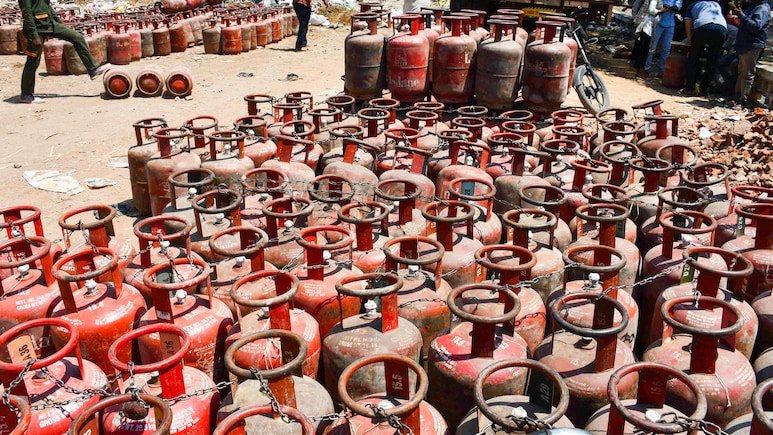
The government is considering the introduction of a fuel price stabilisation mechanism to shield consumers from sharp spikes in petrol, diesel and LPG prices amid heightened global energy volatility, according to government sources.
The proposal, currently under discussion across key ministries, seeks to create a dedicated buffer that can be deployed during periods of extreme price fluctuations. The move comes against the backdrop of rising geopolitical tensions in West Asia, which have disrupted energy supply chains and pushed up crude oil prices, increasing inflationary risks for fuel-importing countries such as India.
Sources said the proposed mechanism would be modelled broadly on the existing price stabilisation framework used for agricultural commodities. Under that system, buffer stocks are built and released into the market when prices rise sharply, helping to moderate volatility. A similar approach is being examined for key fuels, with the aim of cushioning consumers from sudden fuel inflation rather than allowing full and immediate pass-through of global price shocks.
Also Read | Layoffs Are Rising In Tech, But These Skills Are Helping People Unlock Better Pay
The plan involves creating a separate fuel buffer fund for petrol, diesel and LPG. Importantly, sources clarified that this mechanism would be distinct from India's strategic crude oil reserves, which are designed primarily for supply security during severe disruptions rather than for price management.
Discussions are underway among the Ministry of Petroleum and Natural Gas, the Ministry of Consumer Affairs and other concerned departments on the funding structure of the proposed buffer and the triggers for intervention. These triggers could be linked to predefined price thresholds or volatility indicators in global energy markets.
While total details are still being finalised, officials emphasised that the intent is not to permanently subsidise fuel prices, but to smoothen extreme volatility and protect household consumption during periods of stress. Any intervention would likely be temporary and calibrated, with buffers replenished when prices stabilise.
The proposal reflects growing concern within the government over the inflationary impact of global energy shocks and their knock-on effects on consumer spending and economic growth. If implemented, the fuel price stabilisation mechanism would mark a significant shift in India's approach to managing retail fuel price volatility in an increasingly uncertain global energy environment.
ALSO READ: India Boosts Five-kg LPG Supply, Accelerates PNG Rollout Amid Middle East Disruption
Essential Business Intelligence, Sharp Market Insights, Practical Personal Finance Advice, Daily Fuel, Gold and Silver Prices and Latest Stories — On NDTV Profit.