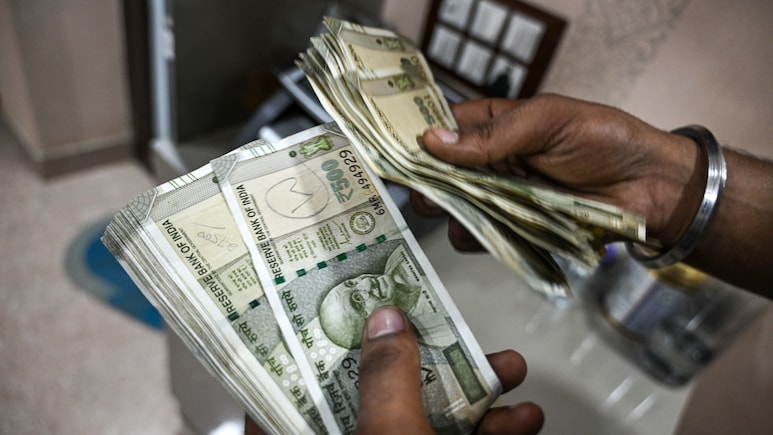
- India’s rupee may fall to 95 against the dollar within a year due to Iran conflict fallout
- Current account deficit is widening, pressuring the rupee and RBI intervention likely
- Goldman Sachs cut India’s growth forecast to 6.5% and raised inflation estimates
India's rupee may slump to 95 against the dollar over the next year because of the fallout from the Iran conflict, putting pressure on the central bank to act if inflation picks up, according to Goldman Sachs Group Inc.'s chief economist for the country. "The rupee remains under pressure in our view, given the current account deficit is widening," Santanu Sengupta said Wednesday in an interview with Bloomberg TV's Haslinda Amin.
Although inflation remains under control at the moment, if higher oil prices and a weaker rupee filters through to consumer prices, the Reserve Bank of India will need to tighten, he said. “That question will come up further down the line rather than now,” he added.
The rupee was trading at 92.4375 against the dollar on Wednesday, near its record low close of 92.4575 a dollar on Friday. The RBI has been intervening in the currency markets to cushion the fall in rupee.
Also Read | Layoffs Are Rising In Tech, But These Skills Are Helping People Unlock Better Pay
Goldman Sachs last week cut its growth forecast for India for this year to 6.5% from 7%, and increased its inflation estimate by 30 basis points. It predicted the current account deficit will widen by 0.8 percentage points to 1.2% of gross domestic product this year from 2025.
ALSO READ: Iran War Impact: Goldman Sachs Warns Oil Shock Will Hurt Jet Fuel, Diesel Most
With India's government using fiscal policy to cushion the economy from the energy shocks, the RBI won't need to act immediately, Sengupta said, but will likely provide liquidity support to the economy. There is a risk of higher bond supply in the next fiscal year starting in April, depending on the duration of the conflict and oil prices, he added.
The RBI kept interest rates unchanged in February, with Governor Sanjay Malhotra signaling monetary policy would be on hold for an extended period.
While consumer demand in urban areas may be hit because of the energy shortages, rural demand remains healthy because of low food prices, Sengupta said. “We are still fairly optimistic of the economy to handle the stress,” he said.
The government may shield consumers from higher prices by lowering excise duties on fuel or increasing subsidies for fertilisers, he said. India imports about 85% of its fertiliser requirement. "It is a critical sector," the Goldman economist said. "The government, in our view, will do all it takes to really protect that sector from full inflation." He estimated the subsidy bill could increase by 0.3% of GDP.
ALSO READ: Rupee Drops 12 Paise, Closes At Record Low Of 92.40 Against US Dollar
Essential Business Intelligence, Sharp Market Insights, Practical Personal Finance Advice, Daily Fuel, Gold and Silver Prices and Latest Stories — On NDTV Profit.