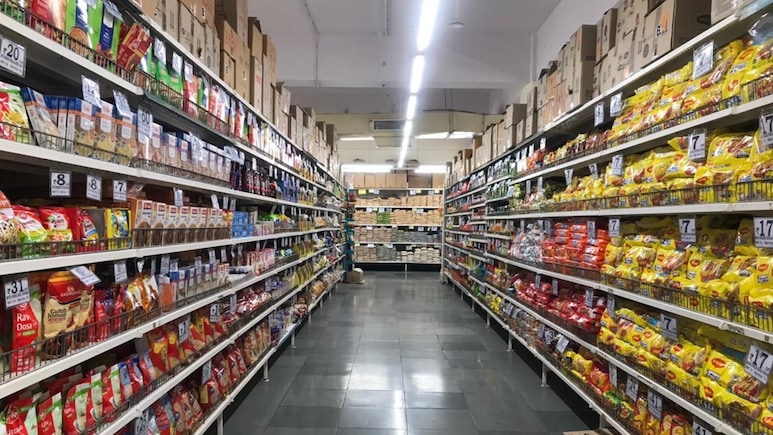
- South India leads in FMCG experimentation, especially in skincare, ahead of North and West
- South consumers prefer sachets, allowing more trials of new products than larger pack buyers
- Higher digital penetration and literacy boost South India's willingness to try novel FMCG brands
South India might be considered more conservative than its North and West counterparts, but they are ahead of them when it comes to experimentation. This is especially true with FMCG products, particularly skin care, as per a report by Redseer and Fireside Ventures.
“South India is more evolved, with higher adoption of emerging brands and stronger traction in categories like skincare. North and West remain dominated by mainstream brands,” says the report.
Most marketing executives agree with the surmise, insisting that it's no new phenomenon either. They say that South has always been used as a test market for new launches since the 1980s. When a product fails in the South, few FMCG majors would ever go ahead with it. Over time, South's influence in ‘ringing in the new', has only gone up.
Also Read | Layoffs Are Rising In Tech, But These Skills Are Helping People Unlock Better Pay
Sandeep Goyal, chairman of ad agency Rediffusion attributes this to the high level of digital savviness in Southern India. This, combined with good penetration of Q-commerce, has helped newer and nascent brands to perform better in the geographies.
“Willingness to experiment and explore has been sharpened by more and more consumers being digitally enabled and the instantaneous availability of new and novel products - this has catalysed the desire to check-out and discard if not up to expectations,” adds Goyal.
More Sachets, More New Products
Shrijeet Mishra, co-founder of Crossmentors, mentoring and training organisation and an FMCG sector veteran, believes that there is a systemic difference in the way South and North Indians shop.
“For instance, South India is primarily a sachet market for products like shampoos, where their value consciousness manifests in buying small amounts to avoid waste. North and West, on the other hand, believe that buying larger packs to get a cheaper per-ml value, is a better option. Both of them are right in their own way,” explains Mishra.
When people tend to buy in smaller amounts, they are more willing to experiment with newer brands. Yet, experts say that it need not necessarily translate into success. However, it offers a market where people are more willing to try newer products than others. This is true across the FMCG universe, be it personal care, packaged food products, home care and more such.
Tech & Its Income
There are other structural factors that aid this behaviour too. “South has better digital penetration, higher e-commerce adoption, and higher literacy, along with experimentative nature of consumers,” says Mishra. He adds, gender wise also, South India enjoys higher literacy resulting in the female consumer tendency to experiment more, engage in heavier label reading and also a willingness to pay more for higher quality.
The experimentative mindset in the South also happened by default, says Harish Bijoor, branding expert and consultant. “Tech hubs in Hyderabad, Bangalore, Chennai and even Visakhapatnam and their higher disposable income also contribute to it,” he explains.
The experimentative nature is not just about how they buy, but also where they buy. South Indian states prefer to buy more online. As per a Nielsen IQ report in 2025, the South has around 18.4% share in e-commerce, and 15.8% share across eight metros.
The South, experts say, has always been strong with modern trade and subsequently e-commerce. North, on the other hand, is driven by the distribution systems and is kirana-led. Both these systems advertise or bring forth newer brands, which leads to even more experimentation.
The lines between states and regions, however, are not rigid. Experts insist that the West, especially regions like Goa and Konkan are closer to the South in their purchasing habits rather than central or North India.
Role Of D2C Brands
Over the years, the South markets have offered more regional options per category, to help them experiment with. For example, the number of leaders in each category be it coffee, premixed foods or home care are two-three times more in the South versus other markets. The regional brands have created a niche for themselves, taking advantage of the experimentative nature of their consumers.
The South has given rise to big brands like footwear brands like Paragon and VKC, cosmetics brand Eyetex, coconut oil brand VVD, apparel brands like MCR and Ramraj, masalas brand Aachi and more such.
The D2C system is also evolving fast, as per experts. “There are many startups in skincare, food and even garments. A large part of the startup ecosystem lies in the South, and the capital is Bangalore. Along with more experimentation, there is more innovation too,” says Bijoor.
Apart from retail and F&B brands like Vaango, Ava Organics, Sarvana Bhavan, there are a lot of personal care brands like Kama Ayurveda, Juicy Chemistry, activewear brands like Bliss Club as well as others like Mokobara and more.
Cultural Preferences Rule
India has a vibrant D2C ecosystem, with around 14,219 such companies, as per Tracxn data. Of these, the maximum number are based in the West – at around 4,586 companies. It's followed by 4,443 in the North and 3,227 in the South. East India has around 795 D2C companies, the data indicates.
Most South Indian origin brands are culturally affiliated to certain ingredients like Sandalwood, coconut oil and more such. However, these preferences might create roadblocks for regionally rooted D2C brands to go national.
“Companies must use a hyper local strategy to be able to determine a brand's success in a region. Moreover, people from every region reside in every state and Tier 1, Tier 2, and Tier 3 cities. Companies must use data analytics to be able to identify these niches and market accordingly,” says Mishra.
ALSO READ: Not HUL, Not Dabur: This Under-The-Radar FMCG Stock Just Clocked 83% Profit Surge In Q3
Essential Business Intelligence, Sharp Market Insights, Practical Personal Finance Advice, Daily Fuel, Gold and Silver Prices and Latest Stories — On NDTV Profit.