India remains one of Uber's most significant growth opportunities, but winning in the country requires more than deep pockets and a global playbook. Intense competition, evolving consumer preferences and regulatory uncertainties mean the ride-hailing giant must constantly adapt to stay relevant.
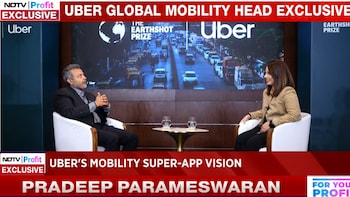
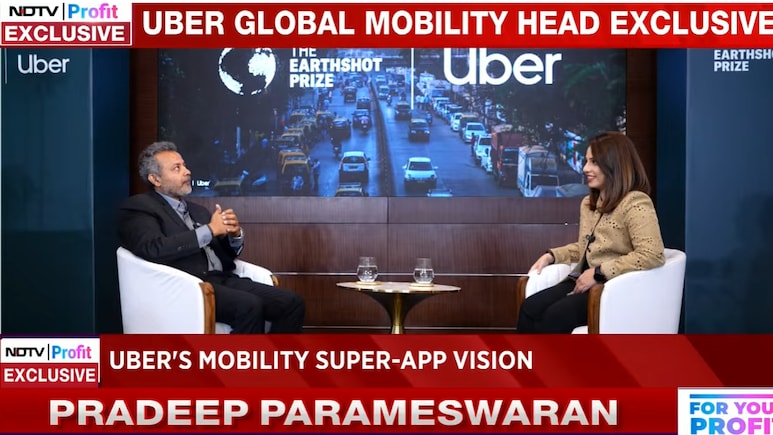
“It's not easy to win in India. We never take India for granted,” Pradeep Parameswaran, Uber's Head of Global Mobility, said in an interview with Tamanna Inamdar, Managing Editor, NDTV Profit.
Parameswaran, who previously led Uber's India operations, said the country is already its third-largest market by volume and could move to the second position by the end of 2027. India, he added, is particularly important to Uber because of its growing economy, aspirational consumers and potential to shape innovations that could eventually find applications across global markets.
Also Read | Layoffs Are Rising In Tech, But These Skills Are Helping People Unlock Better Pay
ALSO READ: Uber Parking: How It Works, What Users Can Expect And Where It Will Initially Be Available
Unlike China and Southeast Asia, where Uber does not currently operate its ride-hailing business, India offers the company a significant opportunity to expand its mobility ecosystem.
However, competition remains intense. While Uber and Ola played a major role in building India's ride-hailing market, Parameswaran identified Rapido as a formidable competitor that is pushing the industry to innovate faster.
“Today Rapido is an extremely intense competitor, innovates really fast, serves the market in ways that we might have not served in the past, and they keep us on our toes,” he said.
He added that succeeding in India requires humility, the ability to adapt quickly and sustained investments in technology, talent and local operations.
Why EVs Could Change The Economics
Electrification is another major area where Uber sees an opportunity to reshape its business in India. The company has committed to making its global platform all-electric by 2040, although it has not announced a separate electrification target for India.
Parameswaran said electric vehicles could improve driver earnings by 15-25% compared with conventional vehicles, provided the cost of purchasing, financing and charging them becomes economically viable.
For drivers, affordability remains a critical consideration. While a conventional Maruti Suzuki Dzire costs around Rs 8-10 lakh, an electric vehicle costing Rs 15 lakh or more can be difficult to finance.
He said improvements in vehicle range, charging speeds and infrastructure availability are gradually addressing these concerns. Uber is working with automakers, policymakers and infrastructure providers to accelerate adoption.
The company's partnership with Mahindra is part of this broader push to build an ecosystem that makes electric mobility more accessible to drivers.
Parameswaran believes two-wheelers and three-wheelers could see faster electrification than passenger cars, given their economics and suitability for shorter urban journeys.
Beyond Cabs: Connecting India's Transport Network
Uber is also looking to position itself as a broader mobility platform rather than just a ride-hailing service. Its Connected Journeys initiative aims to integrate first- and last-mile connectivity with public transport, including metro services.
The idea is to allow commuters to book an auto to a metro station, access metro tickets through the Uber app and arrange onward transport after reaching their destination.
Parameswaran said public transport should remain the backbone of urban mobility, with technology helping make the entire journey more seamless.
He also revealed that Uber's Ride Pass concept draws inspiration from Mumbai's local train passes, allowing commuters to secure pricing for a set number of trips instead of facing fluctuating fares on regular journeys.
India's Lessons For Uber's Global Playbook
Reflecting on Uber's experience in India, Parameswaran said the company would approach the market differently if it were entering today. Instead of starting with cars, he would prioritise two-wheelers, three-wheelers and buses, which offer greater opportunities to expand access to shared mobility.
He also highlighted reliability and affordability as two essential factors for success. Maintaining service quality in India's challenging traffic conditions, he said, requires significant investment in ground operations and fleet management.
ALSO READ: 6,500+ Jobs Gone In 10 Days: Uber, PayPal, Zomato And More Cut Workforce
On autonomous vehicles, Parameswaran expects the technology to expand into more markets as capabilities improve. However, lower labour costs in India could initially reduce the economic incentive for widespread adoption.
Artificial intelligence, meanwhile, is already opening up opportunities, particularly in customer service and multilingual communication with drivers.
For Uber, the India opportunity is clearly much bigger than expanding its ride-hailing business. But as Parameswaran's assessment suggests, staying ahead will require constant reinvention in a market where competition never stands still.
Essential Business Intelligence, Sharp Market Insights, Practical Personal Finance Advice, Daily Fuel, Gold and Silver Prices and Latest Stories — On NDTV Profit.