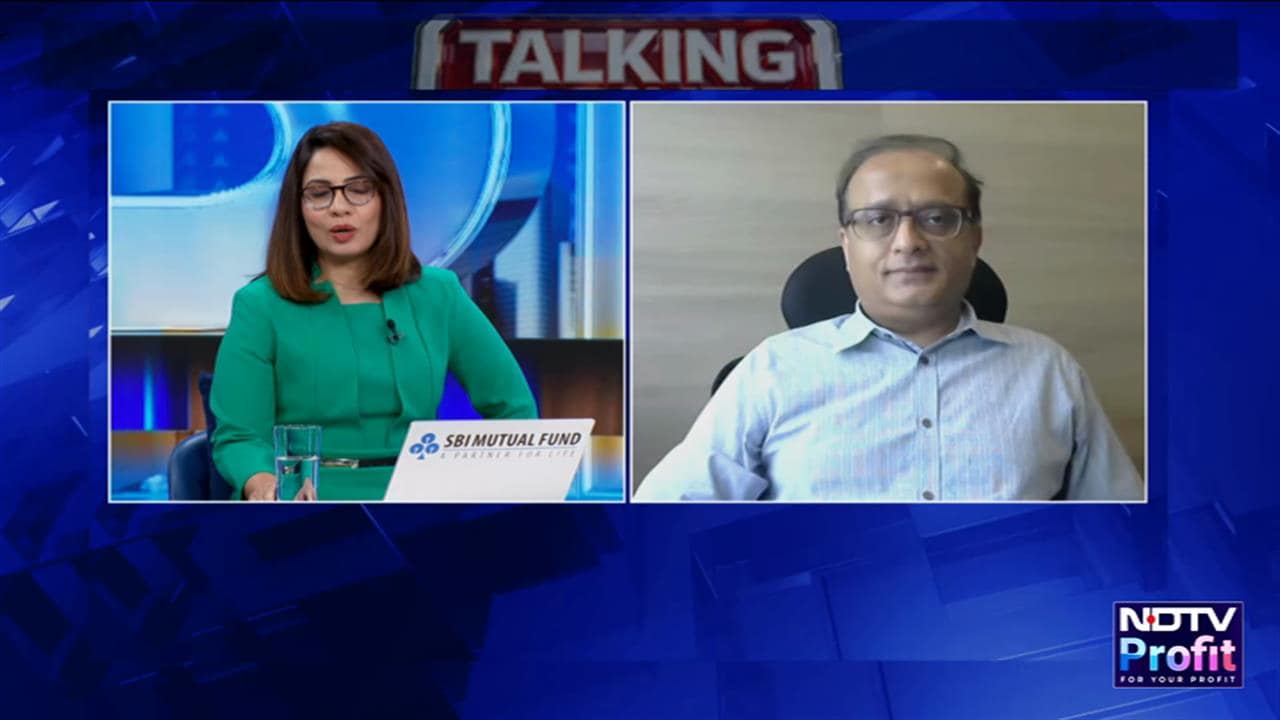
A capex-heavy budget does not necessarily cast a negative light on consumption and it is in fact pro-rural, according to Pranjul Bhandari, chief India economist at HSBC.
Although the budget looks pro-capex and anti-consumption at first glance, high capex actually works like a social welfare scheme for the government, Bhandari told BQ Prime's Niraj Shah, during a discussion on the Union Budget 2023.
It creates capacity for extra jobs in the short-term as pressure on infrastructure increases. Moreover, rural households are receiving a larger chunk of their income from construction these days as compared to agriculture, she said.
Three Key Elements Where Budget Lacked Strength
More Fiscal Consolidation: The government is working with a medium-term fiscal deficit target of 4.5% by 2025–26.
Bhandari was expecting that it would be spread equally across three years with 0.6% consolidation each, but it is 0.5% in actuality. So, in the next two years, the government will have to ramp up consolidation.
A linear figure would have been better and prevented the burden to be pushed to the future, she said.
Slow Funds Transfer To State: The government has come up with various innovations, through which it pays out only the second tranche to the state, when it gets a full confirmation that the last penny of the first tranche has been spent. This affects the growth of states and messes up with their finances, she said.
FCI Borrowing: The budget hinted that the Food Corp. of India is again borrowing in the market after clearing its dues a while ago. It would significantly help if the central government pays FCI on time for its food subsidy.
Decoding The Budget
Taxation
Nominal growth of 10.5% in the gross domestic product is reasonable, but the assumptions on taxation is a "bit rich", Bhandari said.
Assuming a one-tax buoyancy, which refers to aligned growth of the nominal GDP of 10.5% and tax, is a "decant" forecast for a normal year, but is sort of "exaggerated" for a year where the real GDP growth is expected to slow down.
She highlighted that the government has spoken about moving to the new personal income tax scheme, which is free of exemptions and they will lose tax revenue of Rs 350 billion.
"In that case, assuming a one-tax buoyancy does not settle in," she said.
Privatisation receipts are a little high, but since the RBI dividend is comparatively lower, the two will offset each other, according to the economist.
Capex And GDP growth—Its Effect On Taxes
The capex thrust is great, but the real possibility of implementing an extra 0.7% of GDP capex in one year, especially after three–four years of ramping it up majorly is not feasible, she said.
The last time the government was able to pull off a 0.7% GDP growth in a year was back in 2008, said Bhandari. So, she finds 0.5% a better target as compared to 0.7%.
However, overall fiscal deficit of 5.9% for 2023–24 will be met, she said.
Corporate margins have improved due to a fall in input costs, but volume growth is expected to fall because real GDP growth may slow down, which will have an effect on taxes, Bhandari said.
It has been noticed that taxes fall as the nominal GDP declines because many taxpayers fall below the minimum tax threshold level.
Tax has been extremely strong in the past few years because the formal sector has grown in "leaps and bounds". But there could be a chance that the informal sector might make a slight comeback in 2023–24, if no new shock deters growth, she said.
"Now, this might not be favourable for tax revenues as most of the informal sector is not a part of the tax net."
The assumptions on small savings are a bit too "aggressive" at a time when interest rates elsewhere are also rising, she said.
But overall, she doesn't doubt the funding of the gross market borrowing because another source of funding can ramp up, such as the short-term borrowing.
Other Key Observations
The government was able to push capex by restructuring food and fertiliser subsidy bill.
The food and fertiliser subsidy bill was brought down, because of which 0.7% of the GDP could be saved and the savings from there was used to increase capex. There were cuts also seen in other current expenditures, which included "squeezing out some states to an extent", which in turn led to savings of 0.5% in the GDP and the money from there was used in fiscal consolidation.
"This was the broad math. However, any math is only as good as its assumption," she said.
Whenever fiscal deficit is attempted to be brought down, growth takes a hit, which this year is being done by 0.5% of GDP, she said.
Fiscal deficit can only be decreased by either taxing more or spending less and both of them are negative for growth, the economist explained.
Eventually, slow growth puts a lid on core inflation, she said.
Moreover, Bhandari forecasted that the RBI will halt raising rates as the growth slows down further and there will also be no rate cuts in 2023.
"Inflation will be on a higher side in India," she said.
According to her, the U.S. Federal Reserve will also do the same; both RBI and the Fed will not cut rates this year, she said.
Watch the full interview here:
Essential Business Intelligence, Sharp Market Insights, Practical Personal Finance Advice, Daily Fuel, Gold and Silver Prices and Latest Stories — On NDTV Profit.