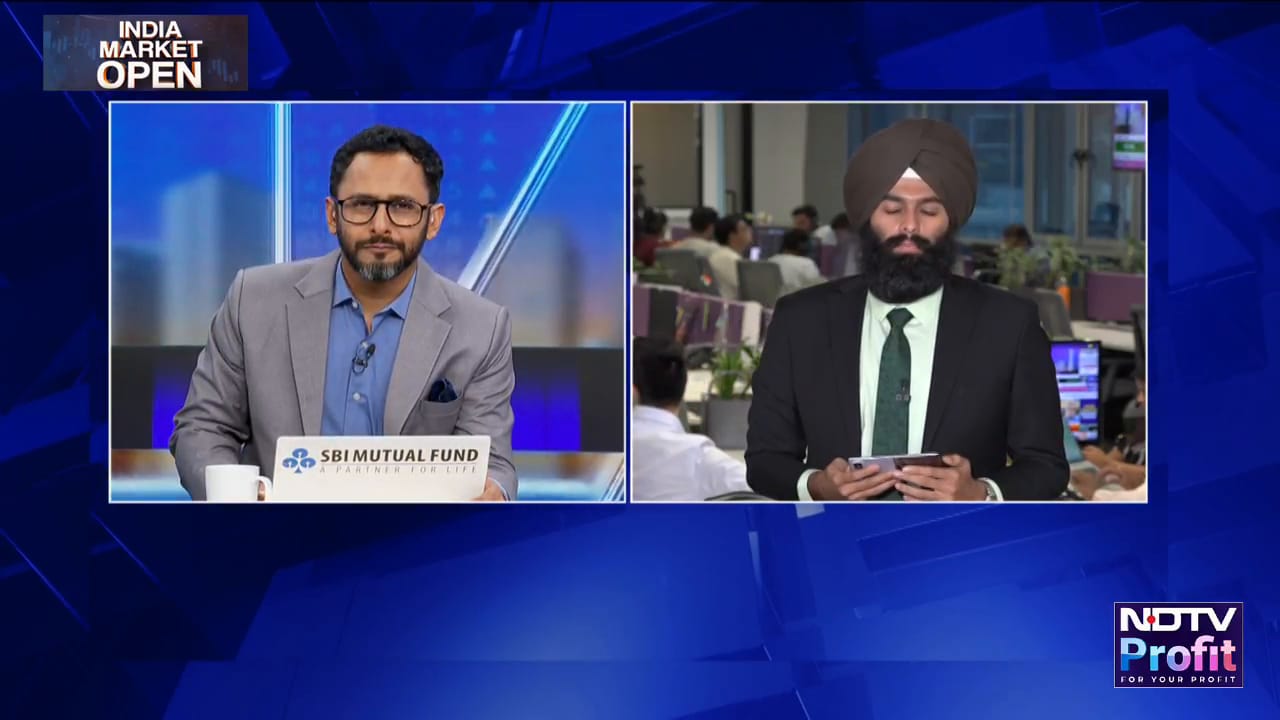
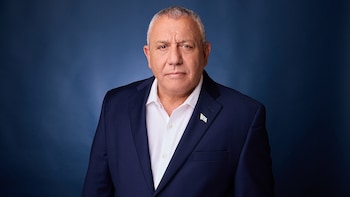
Bansal Wire Industries Ltd. expects to continue its growth momentum of 20–25% per annum, aligning with historical averages, even though the company is likely to see a significant margin decline in FY26.
Chief Executive Officer Pranav Bansal outlined a growth-focused strategy for the current financial year, targeting volume expansion even if it means lower margin.

-
 Indian Markets Turning Corner After Two Tough Years, Says Sandeep Tandon
-
 NDTV Profit Ignite 2026: Experts See Opportunity In Equities, Stay Bullish For Long-Term
-
 Buy Right, Sit Tight Does Not Work for Individual Stocks, Says Dinshaw Irani
-
 'Worst Is Behind': Quant MF Sees Market Bottom, Flags 'Extreme Euphoria' In Midcaps
-
 India's Mutual Fund Industry Could Become A $1 Trillion Opportunity, Say Fund Managers
-
 'Foreign Investors Are Baraatis': Raamdeo Agrawal's Take On LTCG Tax
-
 Stay Invested Through Market Cycles: Raamdeo Agrawal at NDTV Profit Ignite
-
 Ramesh Damani Remains Bullish On India For Next 20-30 Years, Sees Bargains Amid Market Weakness
-
 CAS Came After A Long Consultation Process: SEBI Chairman Tuhin Kanta Pandey AT NDTV PROFIT IGNITE
-
 Aim To Cut FPI Onboarding Time From Mth To Five Days: SEBI Chairman Tuhin Kanta Pandey AT NDTV PROFI
"As a company, we've grown at 20–25% on average... and that remains our approach going forward," the managing director told NDTV Profit in a conversation on Tuesday. "For next year, we've targeted it as a year to focus on volume growth."
Also Read | Layoffs Are Rising In Tech, But These Skills Are Helping People Unlock Better Pay
"To achieve that, we may need to sacrifice some margin. Overall, we're expecting about a 15–20% margin drop, with most of it coming from that product mix change," he explained.
From FY14 to FY24, the company's revenue CAGR stood at 19.8%, according to Bansal.
Despite margin adjustments and changes in product mix, revenue growth remains a central focus for the company, supported by volume expansion and increasing contributions from newer product segments like stainless steel and low-carbon wires. Overall, its Ebitda margin for FY25 stood at 7.9% compared to 6% in FY24.
"Looking ahead to the next financial year, our focus will shift more towards stainless steel and low-carbon products. With our backward integration initiatives, we expect margins in these segments to improve as well.
"So, we want to concentrate more on those two areas. Ultimately, our focus is on absolute Ebitda," Bansal said.
When asked about managing the costs of raw material, Bansal revealed the company's strategy of following a cost-plus model.
"We have a cost-plus model where in any increase and decrease that we get, we are able to pass it on to the majority of our customers within a month or so. Apart from this, we have also widened our supplier base," he explained. "So, we are also able to do a long-term contract with our suppliers for pricing to maintain it on a steady site."
About 85% of their sales are with customers who allow price adjustments within a month. Geopolitical risks haven't had a major impact since exports form only 10-15% of total revenue for the company, according to Bansal.
"There has definitely been a slowdown in export sales, but we've managed to maintain our top line and protect our margins. Most of our contracts are based on ex-works or factory pricing, so freight costs don't directly impact our margins," he said. "However, they do become a factor when we're bidding for new business."
Essential Business Intelligence, Sharp Market Insights, Practical Personal Finance Advice, Daily Fuel, Gold and Silver Prices and Latest Stories — On NDTV Profit.