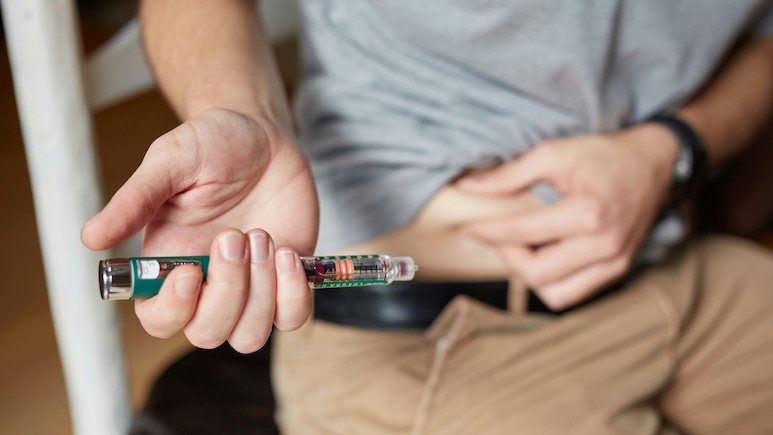
A fast-growing class of anti-obesity medicines, known as GLP-1 drugs, is rapidly transforming weight-loss treatment in the United States. These medications mimic a natural gut hormone that regulates blood sugar and signals fullness, helping patients manage appetite and body weight.
Originally developed for type 2 diabetes, newer formulations—such as semaglutide and tirzepatide, sold as Wegovy by Novo Nordisk and Mounjaro by Eli Lilly—are now driving a major surge in demand and reshaping the broader obesity care market.
New data highlights the scale of this shift. By mid-to-late 2025, 12.4% of US adults reported using a GLP-1 drug specifically for weight loss, more than doubling from 5.8% in early 2024, according to Gallup surveys of over 15,000 adults.
Also Read | Layoffs Are Rising In Tech, But These Skills Are Helping People Unlock Better Pay
ALSO READ: Has India Disrupted Weight-Loss Drug Market? What Triggered 90% Slide In Generic Ozempic Prices
Public attitudes are also evolving alongside rising usage.
12.4% of US adults are on a GLP-1s.
— Max Marchione (@maxmarchione) May 5, 2026
It was 5.8% in Feb 2024.
It doubled in 18 months. The global anti-obesity market is projected to grow from $19.6B today to $104.9B in 2035.
This is the fastest mainstream drug adoption of our lifetime. pic.twitter.com/Tw1VAugjnr
According to a Statista Consumer Insights survey conducted in early 2026, there is increasing acceptance, with many Americans viewing GLP-1 drugs as a legitimate treatment for a chronic disease or as a next step when lifestyle changes like diet and exercise fail.
At the same time, a section of respondents (around 9%) continue to express hesitation, citing beliefs that weight management should rely on willpower alone.
While around 8% feel no stigma using it, as such medication "is so common now".
ALSO READ: Weight-Loss Drug Racket Busted In Gurugram? Fake Mounjaro Kwikpen Injections Worth Rs 56 Lakh Seized
Essential Business Intelligence, Sharp Market Insights, Practical Personal Finance Advice, Daily Fuel, Gold and Silver Prices and Latest Stories — On NDTV Profit.