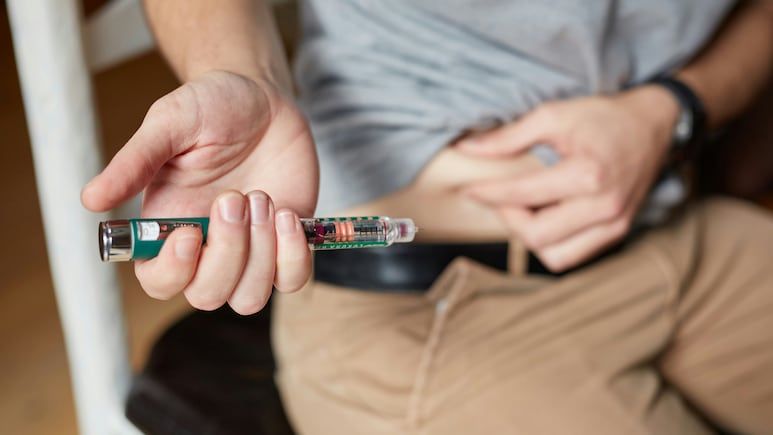
- Semaglutide prices in India fell nearly 90% after patent expiry on March 20
- Dr. Reddys and other firms quickly launched generic versions post-patent expiry
- Semaglutide's complex structure makes manufacturing challenging and costly
India's weight-loss and diabetes drug market has been shaken up after prices of semaglutide, the molecule behind Ozempic and Wegovy, crashed by nearly 90% within weeks of patent expiry.
A few weeks ago, Novo Nordisk cut the price of Ozempic in India by as much as 48%. Some versions of semaglutide are now available for as little as Rs 1,290 a month, compared with earlier prices of Rs 8,800-11,175, Zerodha pointed out in a series of social media posts.
A few weeks ago, Novo Nordisk cut the price of Ozempic in India by up to 48%. Some versions of the same molecule are now available for ₹1,290 a month, down from ₹8,800-11,175. A 90% price collapse in a matter of weeks. Novo Nordisk didn't decide to be generous. They were forced…
Also Read | Layoffs Are Rising In Tech, But These Skills Are Helping People Unlock Better Pay
— Markets by Zerodha (@zerodhamarkets) April 21, 2026
The sharp drop followed the expiry of India's key semaglutide patent on March 20. Dr. Reddy's launched a generic version immediately, with Mankind Pharma, Zydus Lifesciences, Natco Pharma and Glenmark entering the market soon after.
Also Read: Novo Nordisk Bets On Local Tie-Ups, Price Cuts As Generic Weight-Loss Drugs Crowd In
India has long followed this playbook in pharmaceuticals, from cancer therapies to antibiotics, helping it become the “pharmacy of the world” and supply roughly 40% of generic drug volumes in the US.
However, semaglutide is far more difficult to replicate than a standard small-molecule drug.
GLP-1, the hormone semaglutide mimics, is naturally released by the body after meals to signal fullness and trigger insulin release. But natural GLP-1 breaks down in the bloodstream in around two minutes.
Novo Nordisk overcame this by making two key changes to the molecule. First, it swapped one amino acid with a synthetic variant that resists breakdown. Second, it attached a fatty acid tail that allows semaglutide to bind to albumin, a protein in the blood, extending the drug's lifespan to roughly a week.
Those modifications turned a short-lived hormone into a blockbuster drug generating more than $40 billion a year globally.
But they also made semaglutide extremely hard to manufacture. The molecule contains nearly 600 atoms and must be assembled through a complex process known as solid-phase peptide synthesis. Even with 99% efficiency at each step, only around 73% of the chains are expected to form correctly in theory.
“In practice, state-of-the-art synthesis achieves around 57% purity,” Markets by Zerodha noted, meaning almost half the material must be removed through costly purification.
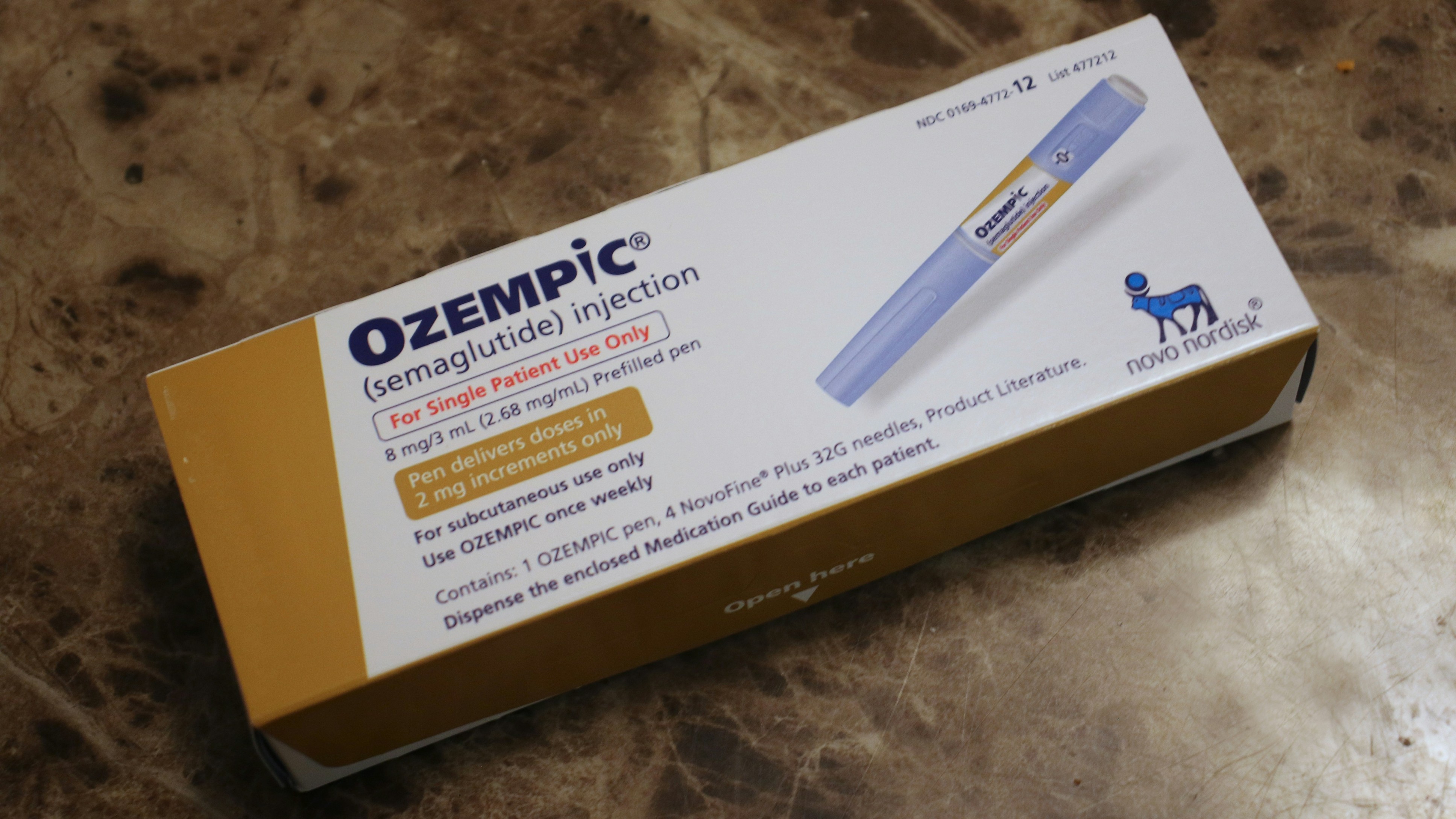
Photo Credit: Health Line
Indian drugmakers have spent years building the capability to produce semaglutide. Dr. Reddy's developed peptide synthesis, API manufacturing, sterile formulation and an injectable pen device in-house at its Vizag facility. Zydus also emerged as a manufacturing partner for Lupin and Torrent.
Still, the global opportunity remains limited in the near term. India's GLP-1 market was worth about $110 million in 2024, a tiny fraction of Novo Nordisk's more than $40 billion in global GLP-1 revenue, which is largely driven by the US and Europe.
The US patent on semaglutide does not expire until 2032. By then, the market may have already shifted toward newer drugs such as Eli Lilly's tirzepatide, sold as Mounjaro, which has shown stronger weight-loss results and already overtook Wegovy in India by value in late 2025.
“While generics approach the bottom, the innovators have moved to the next floor,” Markets by Zerodha said.
Essential Business Intelligence, Sharp Market Insights, Practical Personal Finance Advice, Daily Fuel, Gold and Silver Prices and Latest Stories — On NDTV Profit.