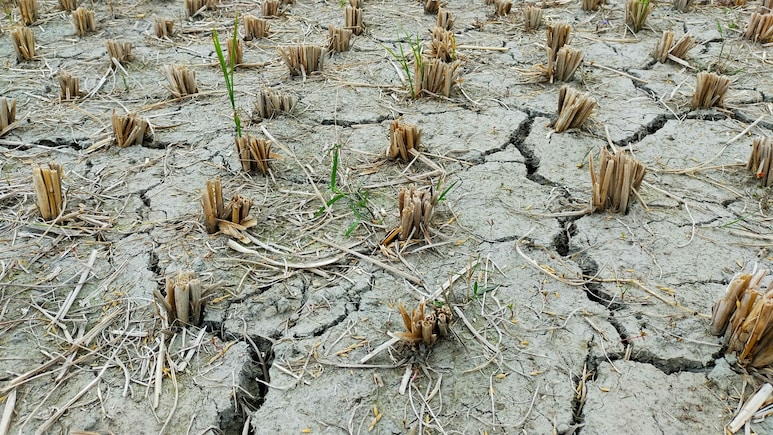
As the World Meteorological Organization forecasts that the present Super El Nino will continue through February 2027 and peak in December 2026, India faces a nearly 100% chance of protracted dry weather and high temperature, according to reports.
The UN body added that the intensifying El Nino conditions would cause a shift in the typical rainfall patterns, increasing the danger of droughts and floods. El Nino will peak between October and December, and it will last long into the Northern Hemisphere's spring of 2027.
According to the WMO most recent alerts, India is preparing for increased heat stress and extended dry spells as a quickly growing "Super" El Nino intensifies over the equatorial Pacific.
Also Read | Layoffs Are Rising In Tech, But These Skills Are Helping People Unlock Better Pay
El Nino conditions are expected to last far into February 2027, with an almost 100% chance of peaking between October and December, according to a warning from the UN weather agency. It is anticipated that sea surface temperature anomalies will rise about 3.7°C above average in the crucial central-eastern Pacific (Niño 3.4 region), possibly exceeding the record-breaking intensity of 2015–2016 and ranking among the greatest episodes since 1950.
ALSO READ: El Nino Effect? Kashmir Valley Sizzles With Decades-High Day Temperatures
For India, a strengthening El Nino could place significant stress on weather patterns. Although the phenomenon develops thousands of miles away, the release of excess ocean heat can disrupt atmospheric circulation, shifting rainfall patterns and driving up surface temperatures. The WMO outlook points to drier-than-usual conditions across the Indian subcontinent in the months ahead, raising concerns over a warmer, drier winter and the possibility of intense pre-monsoon heat as the country heads into 2027.
“El Nino is firmly established and strengthening rapidly. WMO forecasts indicate a near-100 per cent likelihood that it will persist through February 2027, potentially being one of the strongest since at least 1950,” WMO Secretary-General Celeste Saulo said in a statement on Thursday.
India's southwest monsoon season this year ended with a 13% rainfall deficit, making the 2026 monsoon the fourth driest since 2001. The impact of El Nino was particularly evident during the second half of the season, affecting rainfall across the country. Several states, including Maharashtra and Karnataka, have declared drought conditions, while Maharashtra has imposed a 10% water cut across several districts.
ALSO READ: When Will Monsoon End In Mumbai? IMD Withdrawal Date, October Heat And India's Rainfall Outlook
In a similar pattern, Europe endured one of its hottest summers on record this year, as France, Spain, and the UK experienced unprecedented temperatures. The prolonged dry spell severely depleted water levels, leaving major rivers such as the Danube, Rhine, and Thames struggling with exceptionally low flows.
El Nino is a climate phenomenon that can reduce rainfall across India and several other parts of the world, often increasing the risk of drought. It is also associated with significantly warmer-than-average temperatures. The phenomenon is generally declared when sea surface temperatures in the central and eastern equatorial Pacific rise at least 0.5°C above the normal average.
Essential Business Intelligence, Sharp Market Insights, Practical Personal Finance Advice, Daily Fuel, Gold and Silver Prices and Latest Stories — On NDTV Profit.