Crude oil surged above $100 a barrel for the first time since 2022 due to escalating hostilities in the Middle East and worsening strains on oil shipping, sending stocks and Treasuries lower.
Brent climbed 18% to around $109 a barrel, adding to last week's 28% surge. Traders are braced for further upheaval with the Iran conflict entering a second week, major producers curbing output and traffic through the crucial Strait of Hormuz effectively halted.
“Short term oil prices, which will drop rapidly when the destruction of the Iran nuclear threat is over, is a very small price to pay for U.S.A., and World, Safety and Peace,” President Donald Trump said in a Truth Social post.
Also Read | Layoffs Are Rising In Tech, But These Skills Are Helping People Unlock Better Pay
With no sign of the war abating and Iran naming a new supreme leader, Asian shares slumped more than 3% and futures contracts for the Nasdaq 100 Index fell 2%. Cryptocurrencies also dropped. The dollar, which has emerged as the haven of choice during this conflict, rose against almost all its major peers.
ALSO READ: US-Iran War: Brent, WTI Crude Oil Prices Surge Above $106 As Iran War Escalates
Treasuries slid on concern rising oil prices will add to inflation, after they had gained on Friday following Friday' weak payrolls report. Benchmark 10-year yields have risen for the year. Australia's policy-sensitive three-year yield surged to the highest since 2011, while German bund futures slumped to almost a 15-year low.
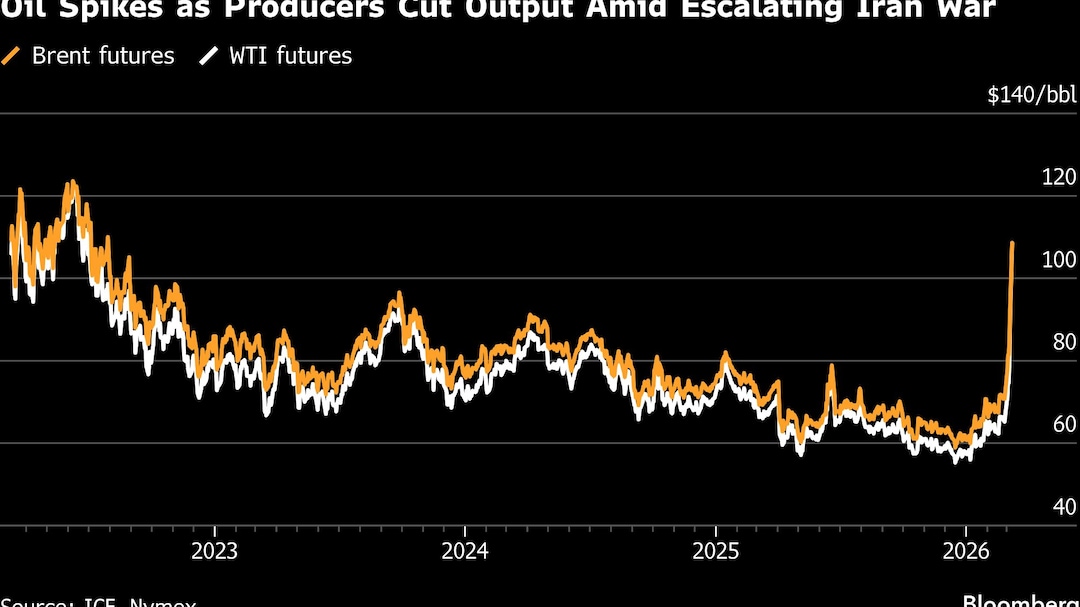
Oil Spikes as Producers Cut Output Amid Escalating Iran War
Photo Credit: (Photo: Bloomberg)
Selling swept across regions and asset classes last week as the geopolitical flareup added fresh stress to markets that are already under pressure from AI disruptions and worries about the potential for cracks in credit markets. The escalating crisis has left investors caught between the risk of renewed inflation stemming from elevated oil prices and signs of cooling in the US laboUr market.
"People are going defensive" with markets now trying to grasp how long will this war last, Jun Bei Liu, co-founder and lead portfolio manager at Ten Cap Investment, said in a Bloomberg TV interview. “Investors are worried what is going to happen to the global growth should the oil remain at the current levels.”
On Sunday, Iran pressed attacks on neighbours, while Israel struck fuel depots in Tehran and threatened the Islamic Republic's power grid. Trump warned the US would consider targeting areas that weren't previously aimed at. The attacks will continue “until they surrender or, more likely, completely collapse!” he said in a social media post.
Meanwhile, Iran named the son of the late Ayatollah Ali Khamenei as its new supreme leader as Tehran kept up its attacks on several countries on the ninth day of the war in the Middle East.
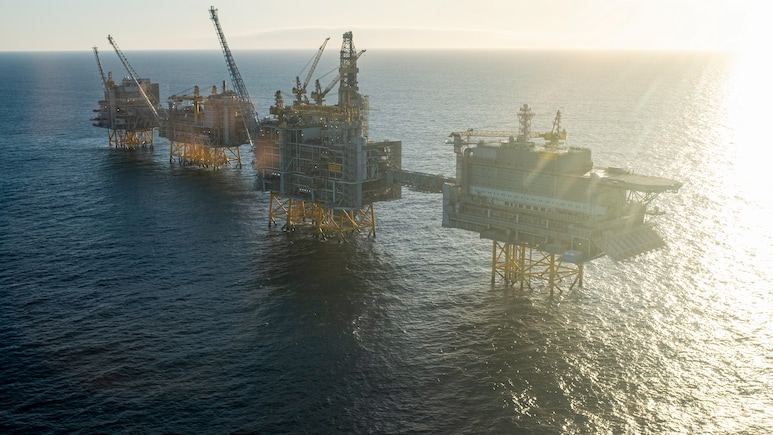
Elsewhere, the United Arab Emirates and Kuwait started reducing oil production, as the near-closure of the crucial Strait of Hormuz — a waterway crucial for the global flow of oil — rippled through energy markets and affected global supply.
The effective closure of the narrow waterway linking the Persian Gulf to the open sea has clogged up exports from the world's top oil-producing region.
"This is no longer just about Hormuz being effectively shut, it's about supply disruption spreading deeper into the region,” said Dave Mazza, chief executive officer at Roundhill Financial. “That is the kind of shift that can push already-nervous investors to take more risk off the table.”
That is evident in the bond market. Just as investors closed their books on a month when mounting concerns over corporate risks fueled demand for the perceived safety of Treasuries, the US-Israeli attack on Iran raised a whole new set of worries — and triggered a different response.
Instead of acting as a refuge, US government bonds took their cue from surging crude prices and yields shot up, with inflation fears taking center stage at a time when prices are already running higher than central banks would like.
Another key area of focus was the strength of the dollar. The Bloomberg Dollar Spot Index rose 0.5% on Monday.
“The dollar is the biggest beneficiary in the current environment, given the USD's safe haven status and the US' position as a net energy exporter,” said Carol Kong, a strategist at Commonwealth Bank of Australia in Sydney. “How much higher the dollar will go from here depends on the depth and duration of the conflict, which remains highly uncertain.”
Meanwhile on Friday in the US, nonfarm payrolls fell 92,000 last month, one of the largest declines since the pandemic. While some of the downside was expected, like a temporary dent from striking healthcare workers and a potential hit from bad weather, a wide array of industries cut jobs. The unemployment rate rose to 4.4%.
Spiking oil prices may precipitate a stock market correction rather than a bear market, but the latter is possible, said Ed Yardeni, president of Yardeni Research. If investors start expecting stagflation, a bear market is more likely.
“The worst is yet to come in the stock market reaction,” said Michael O'Rourke, chief market strategist at JonesTrading. “I would expect more of a risk-off mood until we get some tangible positive news.”
ALSO READ: Iran War Live Updates: Mojtaba Named Iran's New Supreme Leader; Crude Oil Prices Surge Above $106
Key Events This Week
Some of the main moves in markets:
Stocks
- S&P 500 futures fell 1.8% as of 10 a.m. Tokyo time
- Hang Seng futures fell 1%
- Nikkei 225 futures (OSE) fell 6.5%
- Japan's Topix fell 5.4%
- Australia's S&P/ASX 200 fell 4%
- Euro Stoxx 50 futures fell 2.5%
Currencies
- The Bloomberg Dollar Spot Index rose 0.6%
- The euro fell 0.9% to $1.1518
- The Japanese yen fell 0.6% to 158.65 per dollar
- The offshore yuan fell 0.3% to 6.9229 per dollar
Cryptocurrencies
- Bitcoin fell 1.3% to $66,359.76
- Ether fell 0.3% to $1,952.37
Bonds
- The yield on 10-year Treasuries advanced four basis points to 4.18%
- Japan's 10-year yield advanced four basis points to 2.200%
- Australia's 10-year yield advanced 13 basis points to 4.97%
Commodities
- West Texas Intermediate crude rose 19% to $108.47 a barrel
- Spot gold fell 2.9% to $5,022.93 an ounce
ALSO READ: Stock Market Today: All You Need To Know Before Going Into Trade On March 9
Essential Business Intelligence, Sharp Market Insights, Practical Personal Finance Advice, Daily Fuel, Gold and Silver Prices and Latest Stories — On NDTV Profit.