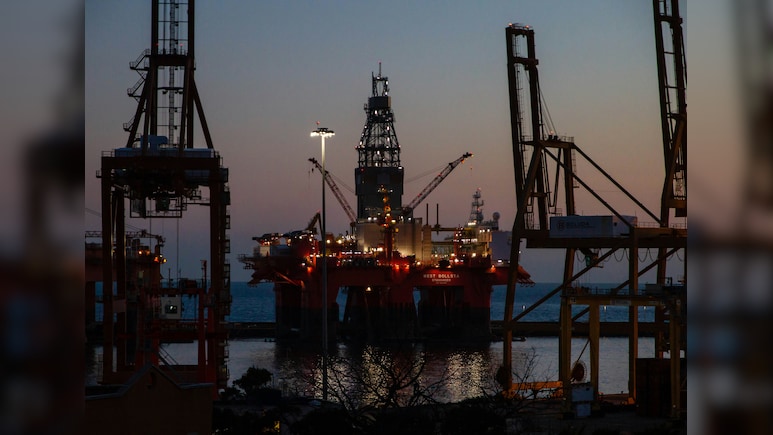
- Oil prices surged above $106 per barrel amid Iran-US-Israel conflict escalation
- US WTI crude rose 17.23% to $106.56, Brent crude climbed 15.35% to $106.92
- Iran's attacks on US-Israel linked sites raise concerns over Middle East oil supply
Oil prices eased from their session highs on Monday after a historic surge earlier in the day, as reports emerged that G7 nations may discuss releasing crude from emergency reserves to stabilise markets.
Brent crude was trading at $109.34 per barrel, up $16.65 or 17.96%, while US benchmark crude stood at $104.13, gaining $13.23 or 14.55%. The pullback follows an earlier spike that marked the largest intraday jump on record in oil markets. During the surge, Brent rose as much as 29.92% to $119.50 per barrel, while US crude climbed 31.44% to $119.48 before retreating.
The rally comes after crude had settled significantly lower last week. Brent closed Friday at $92.69 per barrel and US crude ended the session at $90.90 before geopolitical tensions escalated.
Also Read | Layoffs Are Rising In Tech, But These Skills Are Helping People Unlock Better Pay
ALSO READ: Iran Rejects Ceasefire Calls As War With US, Israel Escalates
Reserve Discussions
Prices moderated after the Financial Times reported that G7 finance ministers are expected to discuss a coordinated release of oil from emergency reserves managed by the International Energy Agency. Three G7 countries, including the United States, have expressed support for the proposal so far, according to the report.
Governments have previously used coordinated reserve releases during supply shocks to cool markets and prevent shortages, the report added.
ALSO READ: Crude Pressure: Nifty, Sensex Tailspin Sees Investors Lose Rs 13.31 Lakh Crore
War Escalation
Oil markets reacted sharply as the conflict involving Iran, the United States and Israel entered its 10th day, raising fears that fighting could disrupt energy infrastructure and shipping routes in West Asia.
US and Israeli forces have carried out strikes on Iranian military and fuel facilities, including depots in Tehran. Iran has responded with attacks targeting Israeli positions and United States-linked military assets across the Gulf. Iranian officials have warned that prolonged hostilities could affect the country's oil sector.
Iran's parliamentary speaker Mohammad Bagher Ghalibaf said continued fighting could disrupt Iran's ability to produce and sell oil. “If the war continues like this, there'll be neither a way to sell oil nor the capacity to produce it,” he said.
Supply Risks
Markets are also assessing risks around the Strait of Hormuz, a critical corridor for global crude shipments.
Iran has said the waterway remains open but warned that vessels linked to the United States or Israel could be targeted if tensions escalate. Officials in Washington have attempted to calm markets, with US Energy Secretary Chris Wright describing the surge in oil prices as a “fear premium in the marketplace”.
US President Donald Trump also said higher crude prices are a temporary consequence of the conflict and will fall once the threat from Iran is removed.
Energy traders are now watching diplomatic developments and potential policy responses from major economies as the conflict continues to influence global oil markets.
Essential Business Intelligence, Sharp Market Insights, Practical Personal Finance Advice, Daily Fuel, Gold and Silver Prices and Latest Stories — On NDTV Profit.