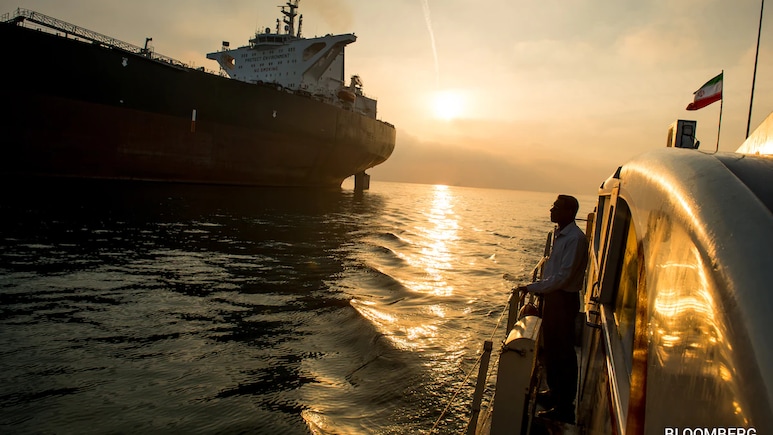
The true location of ships trapped in the Persian Gulf is becoming clearer after electronic interference of signals eased over the weekend, helping to reduce concerns about navigating vessels in the war-affected region.
While threats to ships in the inland sea and the Strait of Hormuz remain elevated, the widespread jamming that obscured the actual location of vessels has moderated in the gulf, the Joint Maritime Information Center said in its latest advisory. The interference means shipowners are often in the dark about the exact location of their fleet, adding legal and insurance risks.
The reasons behind the improvement could be because Iranian jamming capabilities may have been reduced by US strikes or that the United Arab Emirates has stepped down its interference in light of fewer attacks by Tehran, according to Jennifer Parker, adjunct professor at the University of Western Australia Defence and Security Institute. However, the threat from poor signal data in the area remains high, she said.
Also Read | Layoffs Are Rising In Tech, But These Skills Are Helping People Unlock Better Pay
“It is not clear what the level of jamming is,” Parker said. It remains risky for vessels to go through the Strait of Hormuz, but if they choose to do so, they should switch off their transponders and rely on visual navigation, she said.

The reduced interference reveals a clearer picture of how vessels are spread throughout the gulf, as opposed to giant clusters seen at the start of the war between Iran and the US, ship-tracking data reviewed by Bloomberg News show. Interference remains elevated for areas in and around the strait, according to JMIC.
For example, a major cluster of hundreds of vessels that formed a near-perfect circle inland near Abu Dhabi seen on March 2 whittled down to fewer than 10 on Monday. Some ships may still choose to turn off their signal transponders, or go dark, to avoid being targeted.
Over the weekend, Iran-backed Houthi forces in Yemen made their first assault on Israel since the war started, while the US assembled amphibious units in the region. That marked an escalation of the conflict that started at the end of last month.
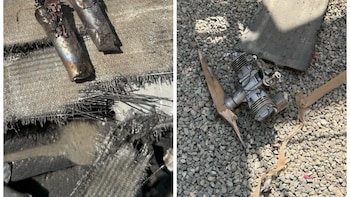
In the early days of the war, Gulf nations engaged in signal jamming to throw drones off course, which simultaneously scrambled the reported locations from ships. Iranian drone and missile attacks have dropped by around 80% from a March 1 peak, according to Bloomberg Intelligence.
Tehran doesn't appear to have launched any attacks on vessels since March 20, JMIC data show. The total number of reported and confirmed incidents and attacks on ships and maritime infrastructure stands at 21, according to the naval group.
ALSO READ: Saudi Pipeline To Bypass Strait Of Hormuz Hits Seven Million Barrel Goal
Essential Business Intelligence, Sharp Market Insights, Practical Personal Finance Advice, Daily Fuel, Gold and Silver Prices and Latest Stories — On NDTV Profit.