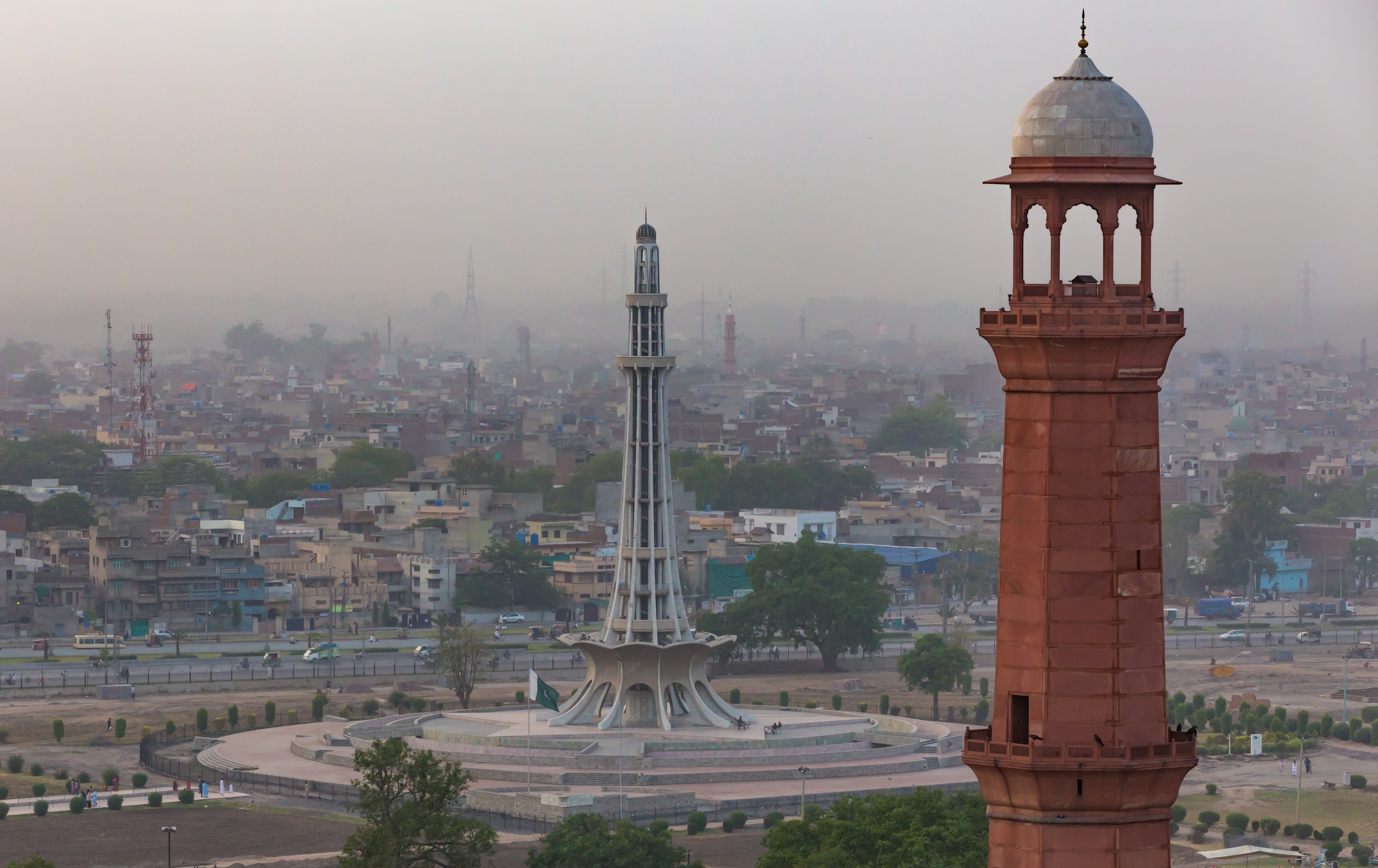
Pakistan's inflation rate rose slower-than-expected in December, justifying the central bank's decision to cut its policy rate to a three-year low to support growth.
The consumer price index rose 5.6% in December from a year earlier, according to data released by the Pakistan Bureau of Statistics on Thursday. That compares with a 5.8% median estimate in a Bloomberg survey. The reading was also lower than 6.1% in November.
The State Bank of Pakistan cut the policy rate by 50 basis points on Dec. 15 to the lowest level in almost three years, citing stable price pressures and a need to spur growth after holding rates steady for four straight policy meetings. The finance ministry forecast inflation of 5.5%-6.5% for December.
Pakistan Seeks To Swap $1-Billion UAE Debt For Stake In Asim Munir-Run Fauji FoundationFood costs rose 3.24% last month from a year earlier, slowing from 5.53% in November. Housing & energy prices climbed 6.86% in December, compared with 5.34% a month earlier, bureau data showed.
“We expect inflation to average 6.3% in FY26 and 4% in FY27, based on our assumptions of improved food supplies, subdued international oil prices, and lower periodic energy price adjustments,” said Muhammad Awais Ashraf, director AKD Securities Research. “However, fiscal slippages, global energy supply shocks, and climate-change effects remain key risks to our inflation projections.”
While tensions with Afghanistan led to border curbs that disrupted trade, food supplies were largely made up from other sources and broader inflation pressures remained contained. Islamabad had backed the Taliban takeover, betting that a friendly government in Kabul would rein in Tehreek-e-Taliban Pakistan militants, but the group has since grown more emboldened, escalating its insurgency across Pakistan's tribal areas.
India-Pakistan Conflict May Reignite In 2026, Warns US-Based Think-TankEssential Business Intelligence, Continuous LIVE TV, Sharp Market Insights, Practical Personal Finance Advice and Latest Stories — On NDTV Profit.