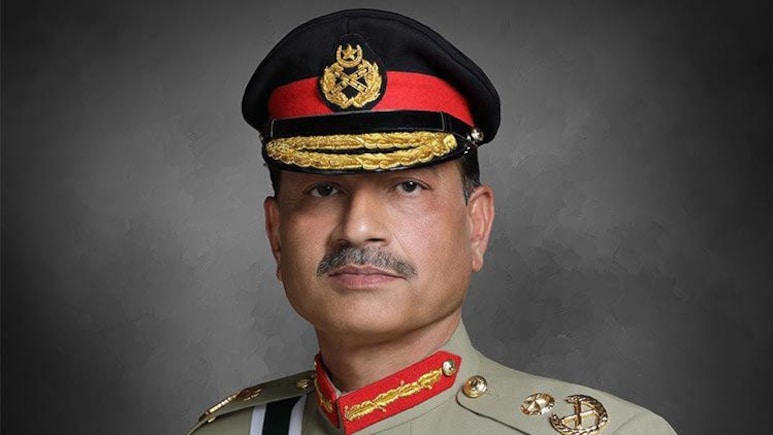
Pakistan's Army Chief Asim Munir is on his way to Iran with a senior-level delegation to deliver a message from the United States and coordinate a possible second round of truce talks, NDTV reported on Wednesday.
The second round of discussions between US and Iran are expected to be held soon in Islamabad, as per the report.
Before this, the delegations of the warring groups had met in Pakistan on April 11 to negotiate a potential peace. However, talks failed after 21 hours of negoiations, with both sides unable to find common ground to end the ongoing conflict.
Also Read | Layoffs Are Rising In Tech, But These Skills Are Helping People Unlock Better Pay
Diplomats struggled to bridge longstanding tensions, ranging from Iran's decades-old nuclear ambitions to its grip on the Strait of Hormuz. The strategic waterway's closure has sent ripples through the global market, triggering severe economic shocks worldwide.
While the United States had said Tehran has refused to accept Washington's terms, Iran blamed America for making excessive demands.
ALSO READ: Explained: Why US-Iran Talks In Islmabad Failed; Key Sticking Points
US President Donald Trump lashed out at Tehran following the breakdown of marathon peace talks in Pakistan, accusing Iran of sabotaging the initiative by refusing to abandon its nuclear programme and reneging on promises to clear the Strait of Hormuz.
US Vice President JD Vance, who led the American delegation, said any way forward is dependent upon a fundamental commitment from Tehran. He said, “The bad news is that we have not reached an agreement, and I think that's bad news for Iran much more than it's bad news for the United States of America."
Following hours of intense, closed-door discussions, the United States characterised its latest proposal to Tehran as a "final and best offer." "We were negotiating in good faith," Vance said.
On the other hand, Iran rejected America's proposal for peace, dismissing Washington's "final and best offer" as "unreasonable" and "disconnected from reality."
Iran's Foreign Minister Abbas Araghchi wrote in a post on X, "In intensive talks at the highest level in 47 years, Iran engaged with the US in good faith to end the war. But when just inches away from the 'Islamabad MoU', we encountered maximalism, shifting goalposts, and blockade." In a pointed critique of the "final offer" strategy, Araghchi remarked, "Zero lessons learned," adding, "Goodwill begets goodwill. Enmity begets enmity."
Essential Business Intelligence, Sharp Market Insights, Practical Personal Finance Advice, Daily Fuel, Gold and Silver Prices and Latest Stories — On NDTV Profit.