(Bloomberg) -- Japan is looking to shake off a string of major setbacks to its space ambitions with an attempt to land a lightweight lander on the moon's surface early Saturday morning.
A successful soft landing — in which a spacecraft is brought to a controlled stop — of the Smart Lander for Investigating Moon would put Japan in exclusive company, with just the US, USSR, China and India managing the feat already.
Exclusion from the elite club has been a sore point for Japan, which beat arch-rival China in launching its first satellite in 1970 but has since taken a back seat to a series of high-profile Chinese space successes. That includes the world's first ever soft landing on the far side of the moon in 2019, and landing on Mars in 2021.
India has eclipsed Japan, too, succeeding in a second attempt last August by landing near the lunar south pole. While the Americans and Soviets sent spacecraft to the moon during the Cold War, the US and Russia have struggled trying to return: Russia's Luna-25 crashed last August, and a NASA-backed mission from Pittsburgh startup Astrobotic Technology Inc. failed this month.
For Japan, landing on the moon has been even tougher to crack. Its space agency, JAXA, lost contact with a lunar lander in late 2022, while Tokyo-based Ispace Inc. also suffered a communication failure with a craft bound for the moon last April.
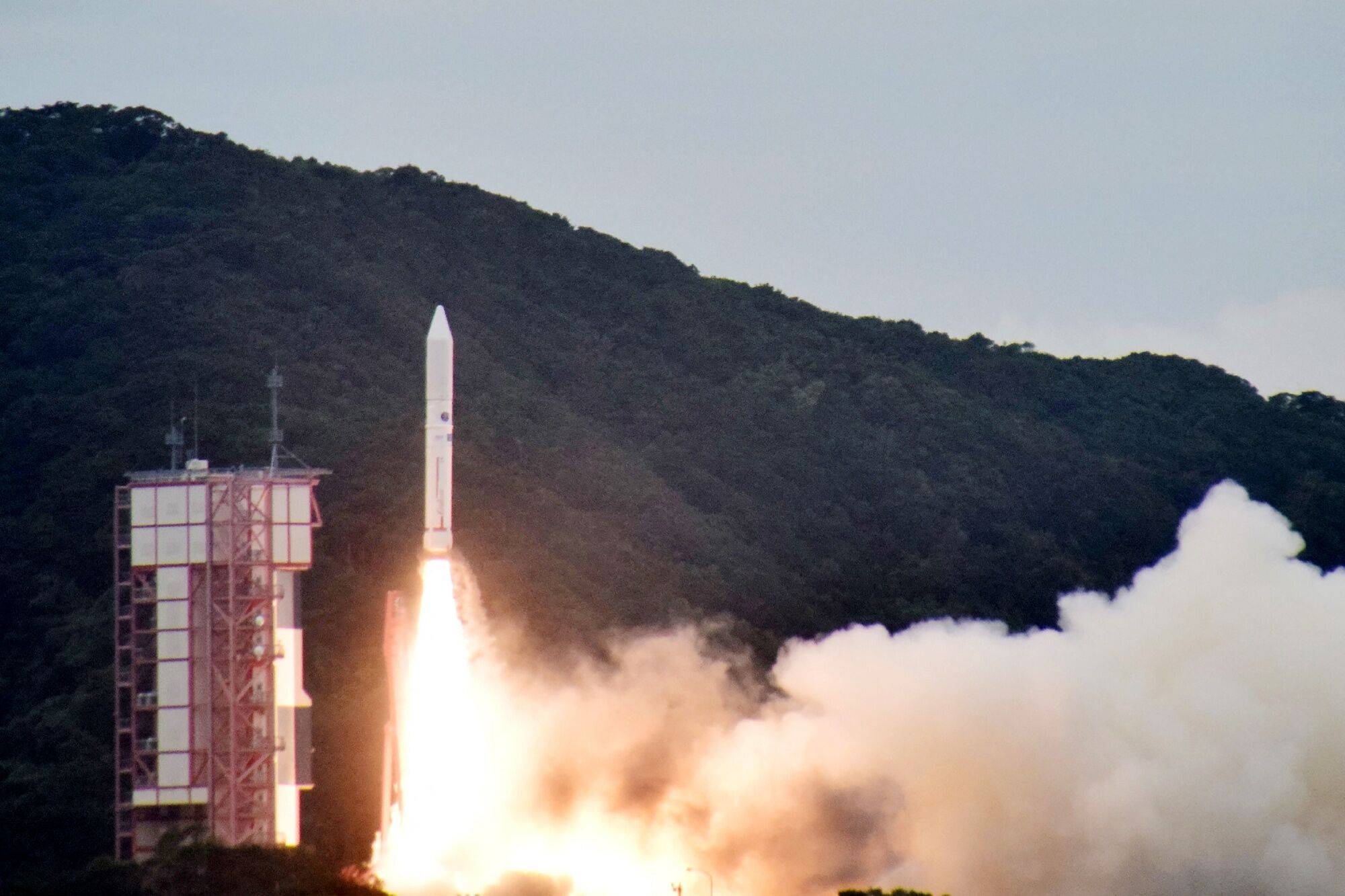
Other setbacks include the botched debut of JAXA's H3 heavy-lift rocket, which failed after takeoff last March and hasn't flown since. Meanwhile, JAXA's smaller Epsilon rocket is grounded, too, following an explosion in October 2022.
Lunar Lander
Designed to land within 100 meters (328 feet) of its target, SLIM “will kick-start a new era of lunar exploration by making it possible to land where we want to land, rather than where we have to,” JAXA Director Hiroshi Yamakawa said last month.
Big Japanese companies have already joined the push to build the country's space-faring clout. Toyota Motor Corp. is JAXA's partner in developing a lunar rover and Honda Motor Co. is working with the agency to design a system to produce oxygen, hydrogen and electricity on the moon. Ispace's list of corporate partners includes Japan Airlines Co., Mitsui Sumitomo Insurance Co. and Citizen Watch Co.
A successful lunar landing would also improve JAXA's standing as the government finalizes a plan to give the agency a pot of ¥1 trillion ($6.8 billion) over 10 years to support space businesses and researchers.
“In Japan, there's a strong consensus that there's a big moon economy that's about to develop in the coming decades,” said Luigi Scatteia, leader of PwC Advisory's global space practice. “The country wants to be one of the pioneers in exploiting that.”
Closer to home, Japan needs JAXA to play a bigger security role in space, and earlier this month the agency added to the country's network of spy satellites. The government wants to increase the size of the country's orbital fleet to keep up with neighbors, including China, which is second only to the US in the number of spy satellites in orbit.
“There is definitely a race for space technologies” in the region, said Saadia Pekkanen, director of the Space Law, Data and Policy Program at the University of Washington. “For Japan, these realities mean even greater reinforcement of its space-based surveillance and communication capabilities for military purposes.”
While the country's spy-satellite program is highly secret, JAXA will be livestreaming SLIM's landing on its YouTube channel and the craft is expected to touch down on the lunar surface shortly after 12:00 a.m. Saturday Tokyo time.
More stories like this are available on bloomberg.com
©2024 Bloomberg L.P.
Essential Business Intelligence, Sharp Market Insights, Practical Personal Finance Advice, Daily Fuel, Gold and Silver Prices and Latest Stories — On NDTV Profit.