- Iran's foreign trade dropped nearly 35% due to US sanctions and a naval blockade
- Iran's government prioritizes tackling inflation, unemployment, and economic instability
- US sanctions target Egypt's Banque Misr and a Hong Kong entity linked to Iran's Bank Melli
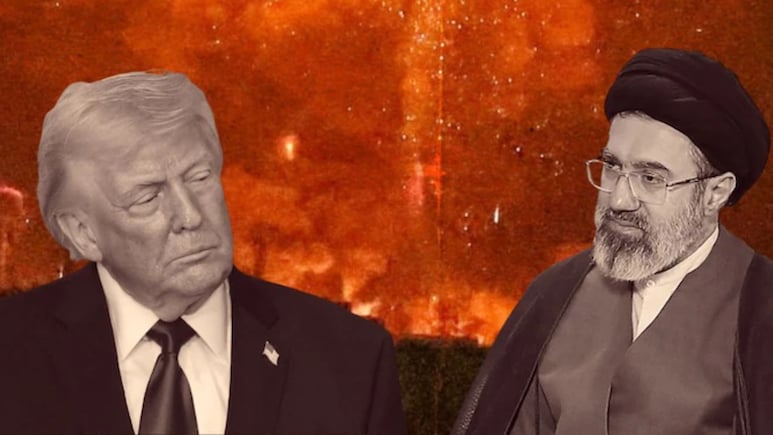
Iran's economy is facing growing pressure as US sanctions tighten, with President Masoud Pezeshkian saying foreign trade has dropped by nearly 35% amid sanctions and a naval blockade of Iranian ports, according to a report by Reuters.
Iranian leaders have acknowledged the strain but made clear that Tehran does not plan to back down. Reported suggest that Supreme Leader Ayatollah Mojtaba Khamenei has called on the government to tackle rising inflation, unemployment and the mounting pressure on household finances.
ALSO READ: 'Fully Prepared For Sanctions': Iran Vows Heavy Blows To US Vital Interests, Energy Chokepoints
Also Read | Layoffs Are Rising In Tech, But These Skills Are Helping People Unlock Better Pay
The Iranian government has made tackling the economic fallout from sanctions and the war a priority. Its plans include bringing down inflation, stabilising markets, creating jobs, boosting domestic production and reducing the country's reliance on the US dollar.
The pressure is growing as Washington expands its sanctions campaign. The US has warned countries doing business with Iran that they could face secondary sanctions, though it has so far avoided targeting major trading partners such as China and India.
The US Treasury has sanctioned Egypt's Banque Misr over its dealings with Iran and proposed restricting its UAE branches from accessing dollar transactions. Egypt's central bank said it was in touch with US officials and clarified that the measure applies only to Banque Misr UAE's dollar transactions with correspondent banks.
Washington has also sanctioned a Hong Kong-based entity and an individual linked to Iran's Bank Melli, according to the Treasury.
The new sanctions come as Iran's economy reels from the impact of the war. Annual inflation hit 66% last month, Reuters reported. Pezeshkian said Iran's imports and exports had fallen by nearly 35% because of US sanctions and the blockade. He added that Iran sold about 90 million barrels of oil during a brief June understanding with Washington that allowed crude exports.
Despite the pressure, Tehran says it will continue with both diplomacy and defence. Reuters reported that Qatari Prime Minister Sheikh Mohammed bin Abdulrahman Al Thani visited Tehran on Thursday for talks on restoring open shipping through the Strait of Hormuz. Iranian Foreign Minister Abbas Araqchi later described the discussions as “creative.”
ALSO READ: Economic D-Day Sanctions: US To Choke UAE Operations Of Egypt's Biggest Bank In Bid To Squeeze Iran
Iran said diplomacy and defence were two complementary, coordinated and inseparable wings for protecting its national interests, security and territorial integrity.
The waterway is crucial to global energy markets. Before the war, around 20% of the world's oil and LNG trade passed through the Strait of Hormuz.
Preliminary shipping data showed that only seven commodity vessels crossed the strait on Thursday, compared with 17 a day earlier and a 10-day average of 15, Reuters reported.
Essential Business Intelligence, Sharp Market Insights, Practical Personal Finance Advice, Daily Fuel, Gold and Silver Prices and Latest Stories — On NDTV Profit.