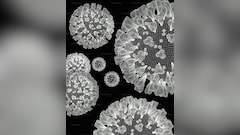
France has reported the first known human case of the Shamonda virus, an animal-associated pathogen, after an immunocompromised man in his 60s died following infection, according to information shared by the World Health Organisation (WHO) and French health authorities, Reuters reported.
French health authorities have confirmed a death involving the Shamonda virus in a man in his 60s with a weakened immune system, marking the first known detection of the animal-associated pathogen in a human, according to the World Health Organisation (WHO).
ALSO READ : Russian Lab Worker's Death: Mystery Deepens As WHO Flags Unresolved Diagnosis After Fatal Pneumonia
Also Read | Layoffs Are Rising In Tech, But These Skills Are Helping People Unlock Better Pay
Following the death, the French authorities have initiated an investigation into how the patient contracted the virus and whether the infection poses any risk to public health.
The WHO is working to determine how the infection occurred and identify the possible source of exposure, noting that more research is needed to assess the virus's impact on humans.
Previously detected in livestock, the pathogen's effects on people remain largely unknown, as no other human infections have been documented so far.
What Is Shamonda Virus?
First identified in cattle in Nigeria during the 1960s, the Shamonda virus is part of the Orthobunyavirus group. Since its discovery, infections have been reported intermittently among animals in several regions of Africa and Asia.
The virus primarily affects livestock, including cattle, sheep, goats and horses, and has also been reported in alpacas.
It is believed to be transmitted between animals through the bites of infected Culicoides midges, small, fly-like insects that act as vectors.
The virus belongs to the same broader group as Schmallenberg virus, which is associated with reproductive complications in livestock.
According to animal-health authorities, Shamonda virus infections can cause fever, diarrhoea, reduced appetite and a decline in milk production.
In severe cases, reproductive complications, including abortions, stillbirths and congenital abnormalities in newborn animals, may occur.
How Does The Virus Spread?
Infected biting midges are considered the main carriers of the Shamonda virus, transmitting the pathogen after picking it up while feeding on infected animals.
According to the WHO, the French patient resided in an area where the virus had been detected in animals and Culicoides midges were present. However, the exact circumstances of the infection remain unclear, and investigations are continuing to establish how the man contracted the virus.
There is currently no evidence that Shamonda virus spreads from one person to another. Nor is there established evidence that people can contract the infection simply through touching, handling or being near infected livestock.
The WHO has emphasised that additional research is needed to clarify the virus's transmission pathways.
What Are The Symptoms?
The symptoms of Shamonda virus infection in humans remain unknown because only one human case has been documented.
A reliable list of human symptoms or a clear clinical profile has not yet been established.
In animals, reported signs include fever, diarrhoea, loss of appetite and reduced milk yield. Reproductive complications are also a significant concern, particularly in pregnant livestock.
These animal symptoms should not be assumed to occur in infected humans.
Does It Pose A Public Health Risk?
The discovery of the first human case warrants investigation, but it does not, by itself, indicate widespread transmission or an emerging public health emergency.
The WHO is working with French authorities to determine the source of infection, establish the likely route of transmission and assess any potential implications for public health.
For now, the absence of documented human-to-human transmission is an important distinction.
However, because the virus's effects in humans remain largely unknown, further findings will be necessary to assess the level of risk more conclusively.
Essential Business Intelligence, Sharp Market Insights, Practical Personal Finance Advice, Daily Fuel, Gold and Silver Prices and Latest Stories — On NDTV Profit.