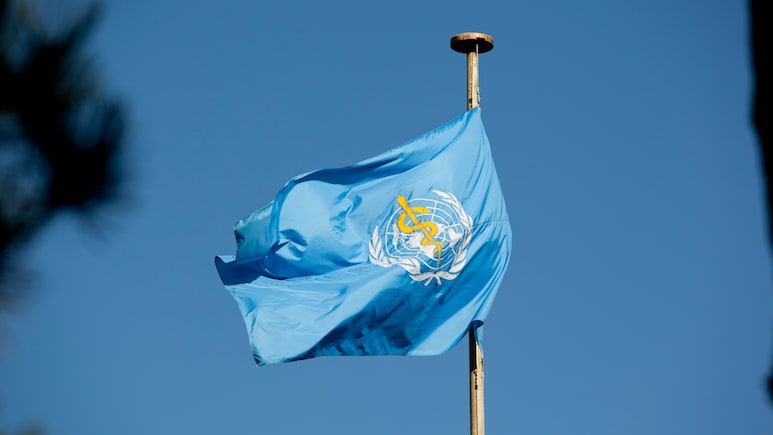
The World Health Organization (WHO) has said it remains unable to determine the cause of a severe pneumonia that killed a laboratory worker at an anti-plague research institute in Siberia, Russia, earlier this month, while stressing that no plague cases or evidence of ongoing transmission have been reported in connection with the incident.
The statement stated, "The authorities also reported that no biosecurity incidents had occurred in the laboratory, contrary to reports in the media, and that there were no further case of severe pneumonia linked to this case."
The 28-year-old employee of the Irkutsk Anti-Plague Research Institute fell ill and died on October 2 under circumstances that have not been fully disclosed. Her death raised concerns about a possible link to pneumonic plague, a serious form of the disease that affects the lungs and can spread between people.
Also Read | Layoffs Are Rising In Tech, But These Skills Are Helping People Unlock Better Pay
However, the WHO said a definitive causative agent had not been identified."Based on the information provided by NFP, WHO has not identified evidence of ongoing transmission associated with this event," the statement added. The agency noted that further clinical, epidemiological and laboratory information would be required to establish the precise cause of the illness.
Russia's public health watchdog reported that extensive testing had found no evidence of the high-threat pathogens examined, including microorganisms associated with the diseases studied at the facility. Russian authorities said the worker died of acute pneumonia and that no plague cases had been registered in the region.
Officials also stated that the employee had received appropriate vaccinations. Health checks on people who had contact with her were subsequently completed, with no further linked cases of severe pneumonia identified. The WHO reported no evidence of ongoing transmission, while the worker's contacts remained symptom-free.
???? On 2 October 2026, WHO became aware through media reports of the death of an employee of the Irkutsk Antiplague Research Institute of Siberia and the Far East, the Russian Federation. ???? According to these reports, the individual died on 2 October following hospitalization for severe pneumonia on 29 September, and pneumonic plague was suspected as the cause of death, following occupational exposure in laboratory settings. ???? Following requests for verification from WHO, the National Focal Point for the International Health Regulations (2005) (NFP) of the Russian Federation confirmed the death and informed WHO that no case of plague had been registered recently in Irkutsk Oblast, that preventive and control measures had been implemented in accordance with national sanitary legislation, and that the laboratory testing of contacts detected no high-threat pathogens. ???? The authorities also reported that no biosecurity incidents had occurred in the laboratory, contrary to reports in the media, and that there were no further case of severe pneumonia linked to this case. ???? The NFP informed WHO that the case and all contacts had been tested for a range of microorganisms, including high-threat pathogens. Test results were negative for the tested high-threat pathogens. ???? All contacts had been medically followed up in healthcare facilities or at home, and all remained asymptomatic throughout. Quarantine measures were instituted in the hospital where the patient was being treated. ???? Based on the information provided by NFP, WHO has not identified evidence of ongoing transmission associated with this event. A key uncertainty remains the absence of a confirmed diagnosis in the deceased laboratory worker. ???? WHO will continue to monitor the situation and assess any potential public health implications as further information becomes available. Read the full Disease Outbreak News: Pneumonia of undetermined aetiology, The Russian Federation, 10 October 2026 https://t.co/gDu833FpAi
— World Health Organization (WHO) (@WHO) October 10, 2026
Following the death, Russian authorities initially placed approximately 200 people under quarantine or health monitoring as a precautionary measure. The action prompted public concern and speculation, particularly because the incident occurred at a facility specialising in research on plague and other dangerous infectious diseases.
Authorities later reported that testing had not identified the suspected high-risk pathogens and that monitoring of the worker's contacts had been completed. Russia also shared information about the incident with the WHO through established procedures.
The case has attracted international attention amid continued vigilance over unexplained respiratory illnesses following the COVID-19 pandemic. Pneumonia can result from a range of causes, including viral and bacterial infections, and an undetermined diagnosis does not establish a connection to plague.
The WHO's assessment indicates that the cause of the laboratory worker's death remains unresolved, despite the investigations conducted so far. A major point of concern remains the lack of an official cause of death or confirmed diagnosis for the deceased lab worker.
ALSO READ: Russian Plague: Broken Vial Or Deadly Outbreak? Inside The Siberian Lab Death Scare
Health authorities have not reported evidence of an outbreak linked to the case. Further medical and laboratory findings will be needed to clarify what caused the fatal illness and determine whether any additional investigation is necessary.
Essential Business Intelligence, Sharp Market Insights, Practical Personal Finance Advice, Daily Fuel, Gold and Silver Prices and Latest Stories — On NDTV Profit.